

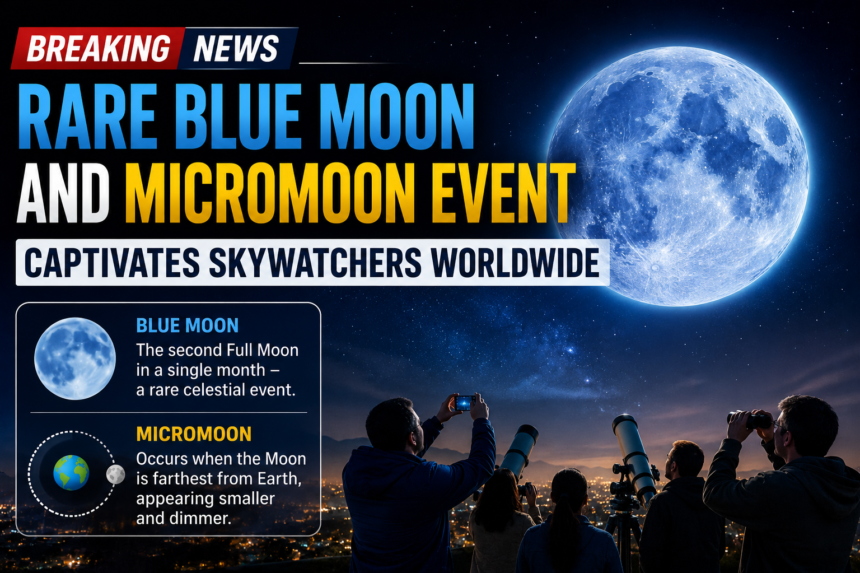
The Smallest Full Moon of 2026 Will Light Up the Night Sky on May 30–31
Special Report | Science Desk
Sky watchers and astronomy enthusiasts around the world are preparing for a rare celestial event on the night of May 30–31, 2026. During this period, the sky will feature an unusual combination of a Blue Moon and a Micro moon, making it one of the most talked-about astronomical events of the year.
According to astronomers, this will be the smallest Full Moon of 2026, creating a unique opportunity for people to observe a rare lunar phenomenon. Experts say such combinations do not occur very often, which is why the event has generated excitement among astronomy lovers worldwide.
What is a Blue Moon?
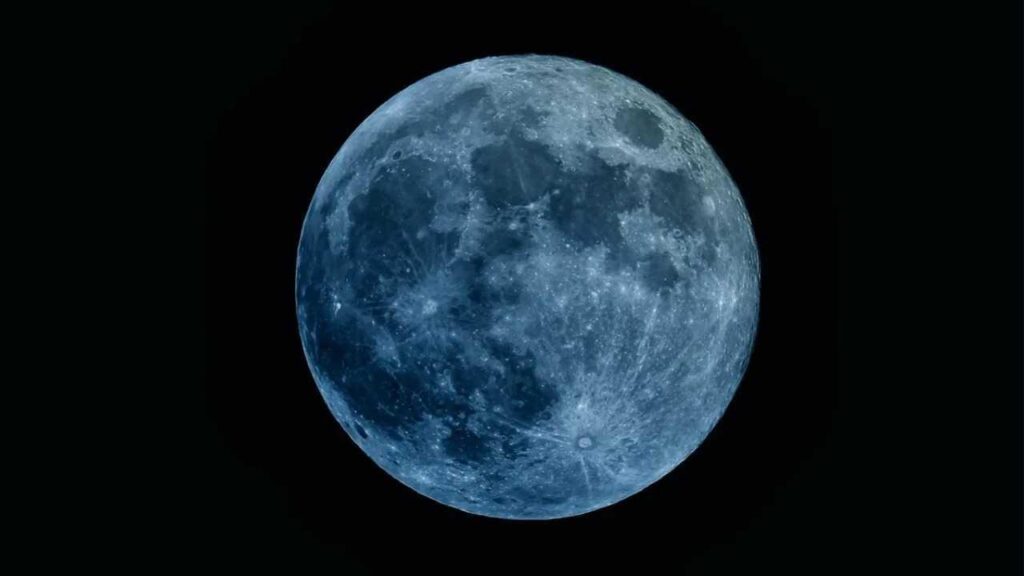
Despite its name, a Blue Moon does not actually appear blue.
In astronomy, a Blue Moon refers to the second Full Moon occurring within a single calendar month. Since May 2026 contains two Full Moons, the second one, appearing on May 31, is classified as a Blue Moon.
Blue Moons are relatively rare and typically occur once every two to three years. Because of their rarity, they have become popular astronomical events that attract public attention worldwide.
What is a Micro moon?
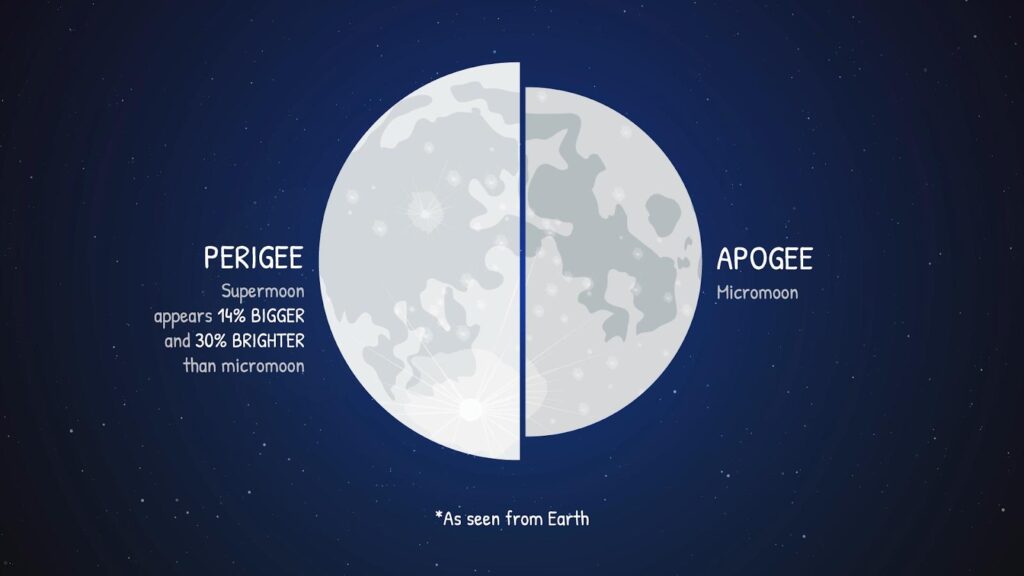
A Micro moon occurs when a Full Moon takes place while the Moon is near its farthest point from Earth in its orbit, a position known as apogee.
As a result:
- The Moon appears slightly smaller than usual.
- Its brightness is somewhat reduced compared to an average Full Moon.
- It is considered the opposite of a Supermoon.
Astronomers have confirmed that this Micro moon will be the smallest Full Moon visible during 2026.
Why Is This Event Special?
This year’s event is particularly noteworthy because it combines two rare phenomena.
Experts explain that:
- A Blue Moon is already uncommon.
- A Micromoon is also relatively rare.
- Seeing both together is even less frequent.
Because of this unusual combination, astronomers consider it one of the most significant skywatching events of 2026.
The event provides a fascinating opportunity for people to observe how the Moon’s orbit and Earth’s calendar system can occasionally create remarkable celestial displays.
How Can You Watch It?
The good news is that no special equipment is required to enjoy this astronomical event.
To get the best view:
✔️ Find an open location with a clear horizon.
✔️ Move away from bright city lights if possible.
✔️ Observe the sky shortly after moonrise.
✔️ Use binoculars or a telescope for a more detailed view.
Astronomers note that the Moon may appear golden, orange, or reddish when it rises near the horizon due to atmospheric effects.
Clear weather conditions will significantly improve visibility.
Venus and Jupiter May Also Be Visible

Adding to the spectacle, the planets Venus and Jupiter may also be visible during the event in many parts of the world.
Their presence could make the night sky even more impressive for observers and photographers.
Astronomy experts recommend checking local sky charts and weather forecasts to determine the best viewing times in your area.
A Great Opportunity for Photographers
Astrophotographers are especially excited about the Blue Micromoon.
Photography experts recommend:
- Using a tripod for stability.
- Capturing the Moon during moonrise or moonset.
- Choosing locations with attractive foreground landscapes.
- Using long-zoom lenses for detailed lunar images.
Many astronomy clubs and observatories are also organizing public viewing events and photography sessions to celebrate the occasion.
What Do Scientists Say?
Scientists emphasize that the Blue Micro moon poses no danger to Earth.
The phenomenon is simply the result of:
- The Moon’s elliptical orbit around Earth.
- The varying distance between Earth and the Moon.
- The timing of Full Moons within the calendar month.
Astronomers see events like this as excellent opportunities to encourage public interest in science and space exploration.
They also help people better understand the movements of celestial bodies within our solar system.
Worldwide Interest in the Event
People across:
- India
- United States
- Australia
- Europe
- Asia
are expected to observe the event.
Social media platforms, astronomy communities, and science organizations have already begun sharing information and viewing guides for the Blue Micro moon.
Experts believe such events inspire curiosity about the universe and remind people of the beauty and complexity of space.
Conclusion
The rare Blue Moon and Micro moon combination on May 30–31, 2026, is expected to be one of the most memorable astronomical events of the year.
Although the Moon will not actually appear blue, it will represent a rare Blue Moon while simultaneously becoming the smallest Full Moon of 2026 due to its greater distance from Earth.
For astronomy enthusiasts, photographers, and casual observers alike, the event offers a wonderful opportunity to experience the beauty of the night sky and witness a fascinating celestial phenomenon that occurs only occasionally.