

Special Report
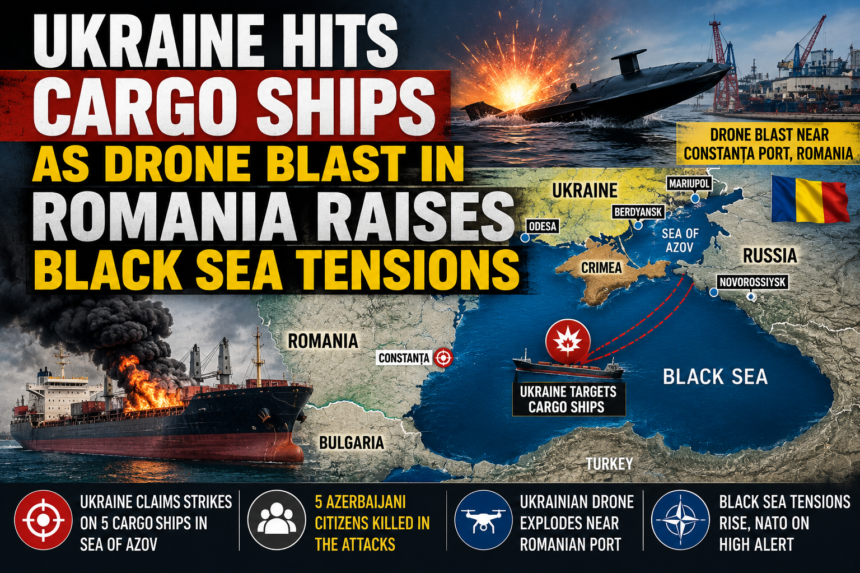
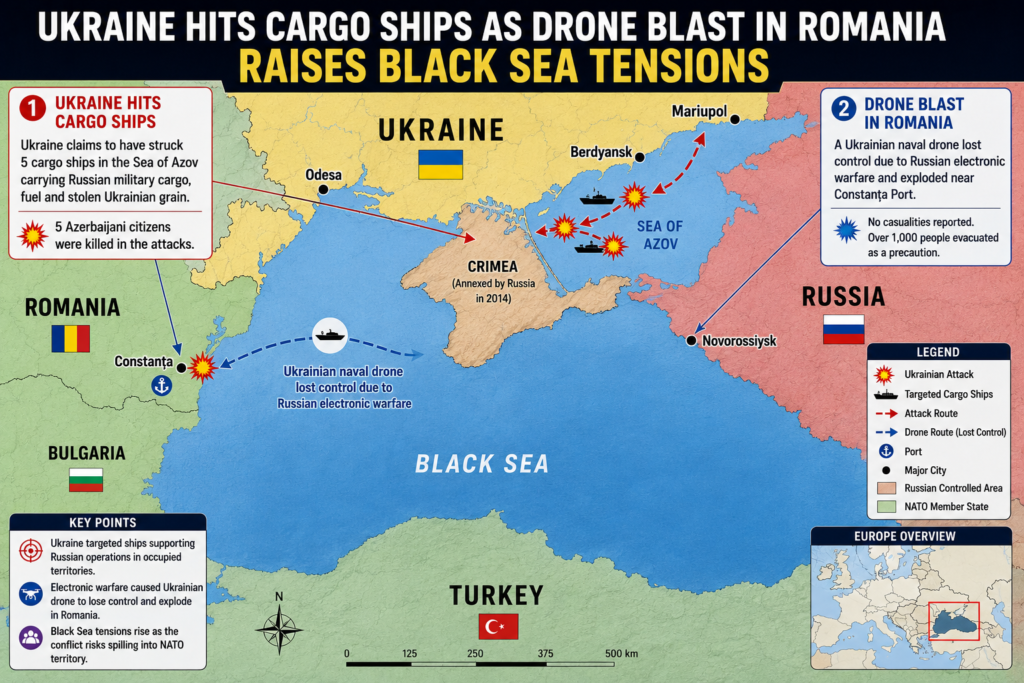
The war between Ukraine and Russia entered a new and more complex phase on 5 June 2026 after Ukraine claimed responsibility for striking several cargo vessels in the Sea of Azov and simultaneously acknowledged that one of its naval drones exploded near Romania’s Black Sea port of Constanța after reportedly losing control. The developments have raised concerns about maritime security in the Black Sea region and the possibility of the conflict spilling over into neighboring NATO countries.
The incidents occurred just as Russian President Vladimir Putin prepared to address a major economic forum in St. Petersburg and amid ongoing international efforts to end the more than four-year-long conflict between Russia and Ukraine.
Ukraine Claims Strike on Cargo Ships
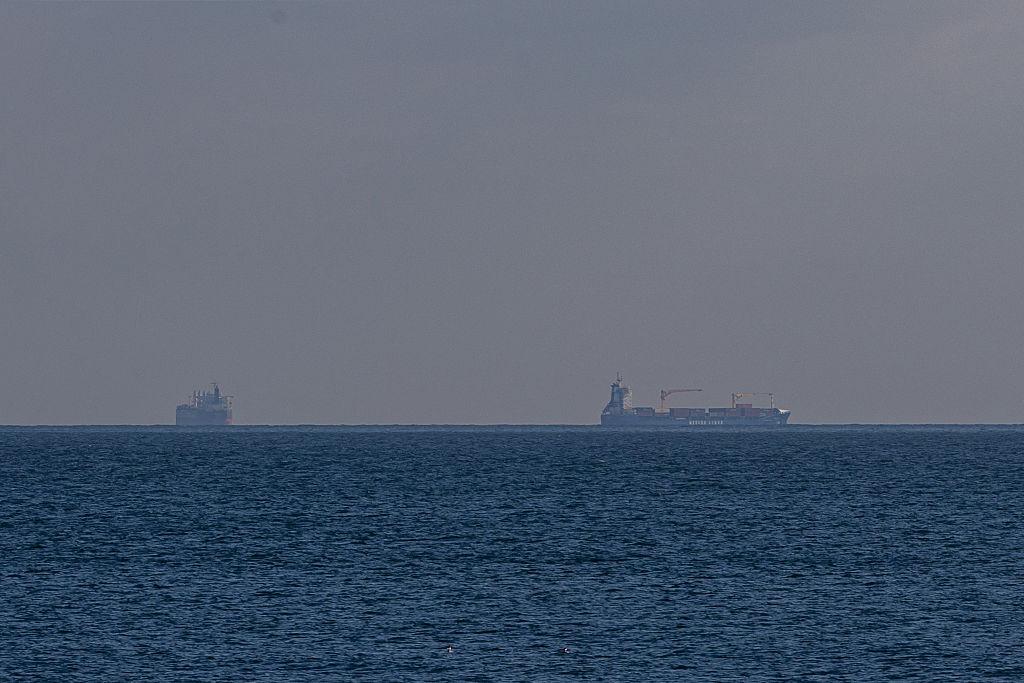
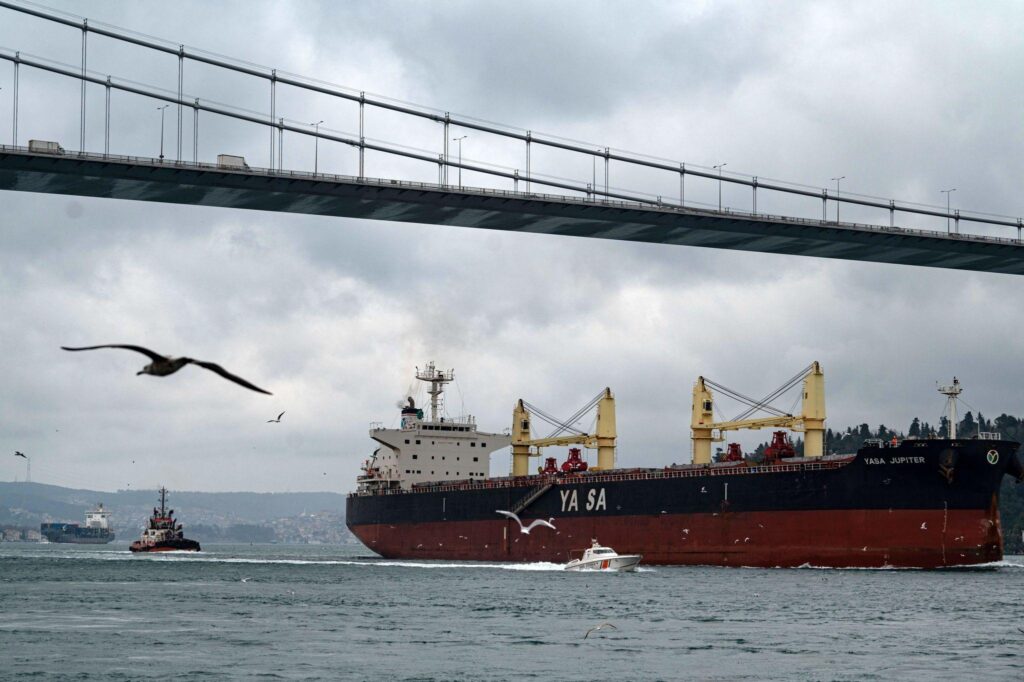
Ukraine’s drone forces announced that they had targeted five vessels operating in the Sea of Azov and in waters controlled by Russia. According to Ukrainian military officials, the ships were allegedly involved in transporting Ukrainian grain taken from occupied territories, as well as military cargo and fuel supplies supporting Russian operations.
Ukrainian drone commander Robert Brovdi stated that the targeted vessels had concealed identifying markings and disabled radar systems, making them difficult to track. Kyiv argued that these vessels formed part of Russia’s logistics network in occupied territories and therefore constituted legitimate military targets.
The strikes represent another example of Ukraine’s growing use of unmanned naval and aerial systems to challenge Russian control over maritime routes in the Black Sea and Sea of Azov. Since 2024, Ukraine has increasingly relied on drones to attack ports, naval facilities, fuel depots, and shipping linked to Russian military operations.
Azerbaijani Casualties Reported
The attacks gained additional international attention after Azerbaijan’s Foreign Ministry reported that five Azerbaijani citizens were killed and three others injured during drone attacks on two cargo vessels in the Taganrog Bay area of the Sea of Azov. Although the ships were not Azerbaijani-owned, several Azerbaijani nationals were working aboard the vessels.
Azerbaijan has expressed concern over the incident and called for a thorough investigation into the circumstances surrounding the deaths of its citizens. Officials have not publicly confirmed whether the casualties were directly linked to the Ukrainian strikes claimed by Kyiv.
The incident highlights the growing risks faced by civilian maritime workers operating in waters affected by the conflict.
Drone Explosion in Romania
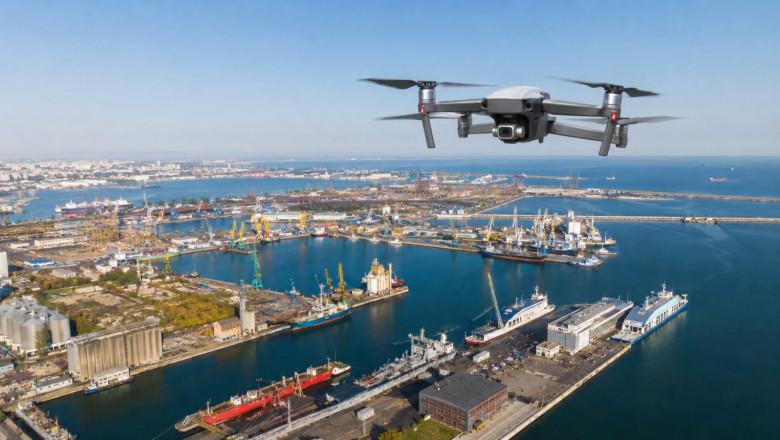
In a separate but related development, a Ukrainian maritime drone exploded near Romania’s strategic port of Constanța on the Black Sea coast. Ukrainian authorities later acknowledged that the drone belonged to Ukraine and stated that it had lost navigational control after being disrupted by Russian electronic warfare systems.
According to Romanian officials, the explosion caused no casualties or major infrastructure damage. However, authorities evacuated more than a thousand people from nearby beaches and coastal areas as a precautionary measure. Emergency services and military personnel secured the site before declaring the area safe.
Ukraine claimed that Russian GPS jamming and electronic interference caused the drone to drift off course and enter Romanian waters. Kyiv said it immediately informed Romanian authorities after losing control of the vessel.
Why Romania Matters
Romania is a member of both NATO and the European Union and has become increasingly important since the beginning of the Russia-Ukraine war.
The Port of Constanța serves as one of the most critical gateways for Ukrainian grain exports and fuel shipments. Since Russian attacks disrupted traditional Ukrainian shipping routes, Romania’s infrastructure has played a key role in maintaining regional trade flows.
Any military-related incident occurring on Romanian territory immediately attracts international attention because it involves a NATO member state. Although Romanian authorities emphasized that the drone explosion was accidental, the event has renewed concerns about the conflict’s impact on neighboring countries.
Electronic Warfare Becomes a New Battlefield
Military analysts say the Romania incident demonstrates the growing importance of electronic warfare in modern conflicts.
Electronic warfare systems can:
- Jam GPS signals
- Disrupt communications
- Confuse navigation systems
- Redirect drones from their intended targets.
According to Ukrainian officials, several naval drones reportedly lost control on the same day due to electronic interference. Some exploded offshore, while one eventually reached Romania’s coast.
Experts warn that as drone warfare expands, accidental cross-border incidents may become more common.
NATO and European Concerns
The incident comes only days after another drone-related event in Romania, where a drone of Russian origin reportedly crashed into a residential building and injured civilians. These repeated incidents have increased concerns among NATO members about security along the alliance’s eastern border.
European leaders have argued that the Ukraine conflict increasingly affects countries beyond the battlefield itself. The combination of missile attacks, drone incursions, electronic warfare, and maritime disruptions is creating new security challenges for neighboring states.
Romanian officials have called for stronger anti-drone defenses and improved regional coordination to prevent future incidents.
The Growing Importance of the Black Sea
The Black Sea has become one of the most strategically important regions in the Russia-Ukraine conflict.
The area is critical for:
- Grain exports
- Energy transportation
- Military logistics
- International shipping routes
Ukraine’s increasing ability to target vessels and infrastructure demonstrates how maritime warfare has evolved during the conflict. At the same time, Russia continues to rely heavily on electronic warfare and air-defense systems to counter Ukrainian drone operations.
The struggle for control over Black Sea shipping routes remains a major factor influencing global food supplies and energy markets.
International Reactions
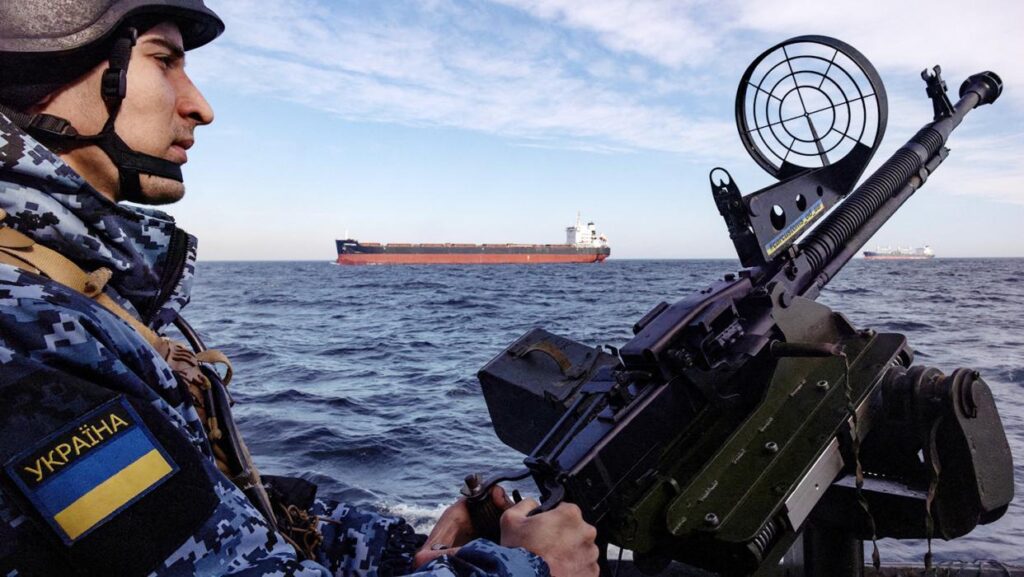
Governments across Europe are closely monitoring developments.
Security analysts believe the latest incidents raise several important questions:
- How can civilian shipping be protected?
- What safeguards are needed for autonomous weapons?
- How should NATO respond to accidental drone incursions?
- Can electronic warfare trigger unintended international incidents?
While no casualties occurred in Romania, the event has highlighted the growing complexity of modern warfare and the difficulty of containing conflict within national borders.
Conclusion
The twin developments of Ukraine’s reported strikes on cargo ships in the Sea of Azov and the accidental explosion of a Ukrainian naval drone in Romania underscore the rapidly evolving nature of the Russia-Ukraine war. Drone warfare, electronic interference, and maritime operations are increasingly shaping the conflict and creating challenges far beyond the front lines.
Although Romania avoided casualties, the incident serves as a reminder that neighboring countries remain vulnerable to the unintended consequences of a war that continues to reshape European security. As both sides intensify their use of advanced drone technology, concerns about regional stability and maritime safety are likely to grow in the months ahead.