

Washington / Tehran | Special Report
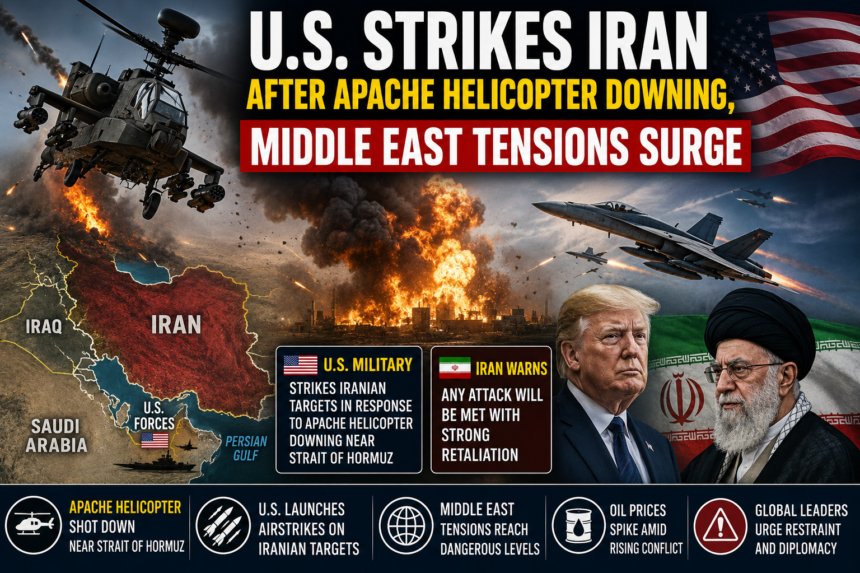
Tensions in the Middle East escalated sharply after the United States launched military strikes against Iran in response to the downing of a U.S. Army Apache helicopter near the Strait of Hormuz. According to U.S. Central Command (CENTCOM), the strikes began on June 9, 2026, and were described as “self-defense” operations ordered by President Donald Trump.
The incident has raised concerns about a broader military confrontation between Washington and Tehran, especially as both sides had recently been attempting to maintain a fragile ceasefire. Analysts warn that the latest exchange could further destabilize one of the world’s most strategically important regions.
What Happened?
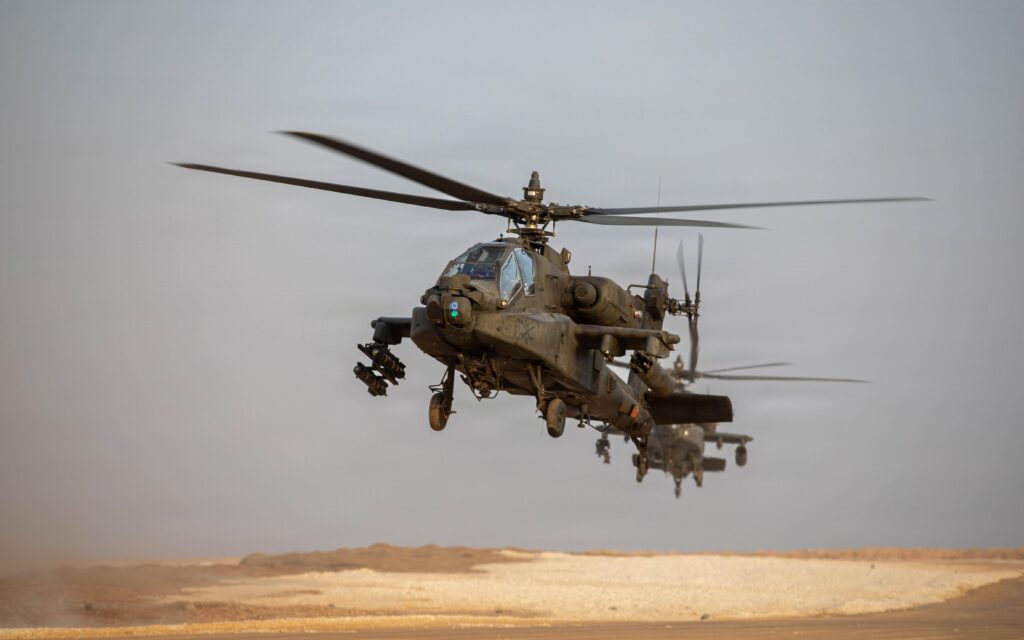
According to U.S. military officials, an AH-64 Apache attack helicopter operating near the Strait of Hormuz was brought down during operations in the region. The helicopter’s two crew members were successfully rescued and are reported to be in stable condition.
President Trump publicly blamed Iran for the incident and stated that the United States would respond. Shortly afterward, CENTCOM announced that American forces had begun launching military strikes against Iranian targets.
The exact circumstances surrounding the helicopter’s destruction remain under investigation. Some reports suggest the aircraft may have been struck by an Iranian drone or air-defense system, though officials have not released a final assessment.
U.S. Military Response
CENTCOM described the operation as a proportional and defensive response to what it called “unjustified Iranian aggression.” Military officials said the strikes were carefully targeted and not intended to trigger a wider war.
Reports indicate that radar installations and air-defense facilities in southern Iran, particularly near the Strait of Hormuz, were among the targets. Iranian media reported explosions in Hormozgan Province and on Qeshm Island following the strikes.
U.S. officials emphasized that the mission was designed to protect American forces and maintain freedom of navigation in the Gulf rather than begin a large-scale military campaign.
Why the Strait of Hormuz Matters
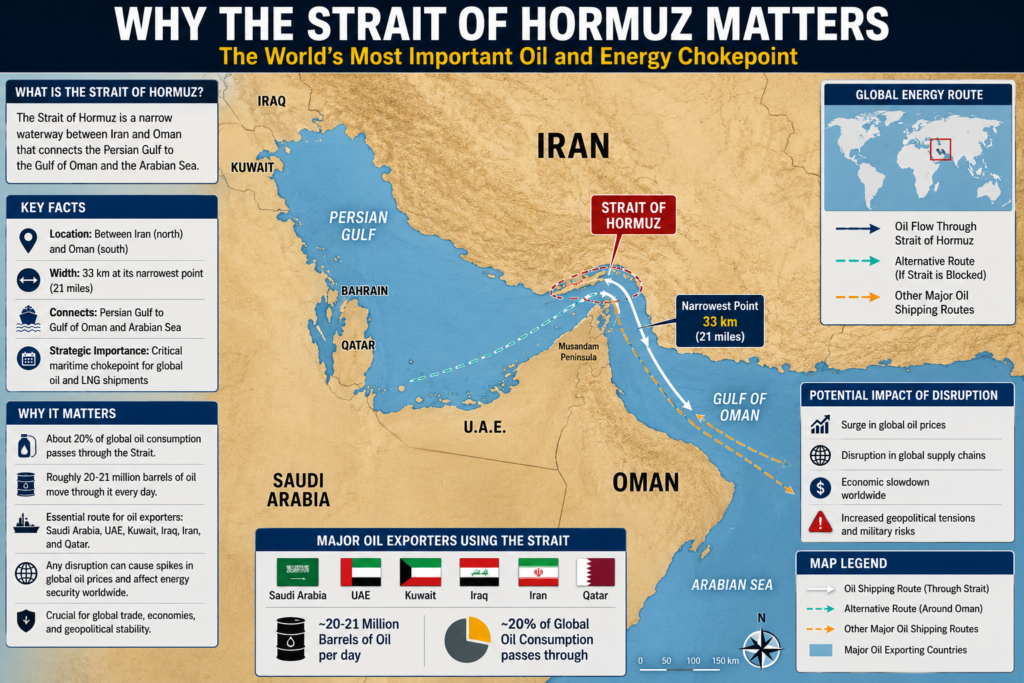
The Strait of Hormuz is one of the world’s most important maritime chokepoints.
Key facts:
- Roughly one-fifth of global oil shipments pass through the strait.
- It connects the Persian Gulf to international waters.
- Any disruption can affect global energy prices.
- The region hosts significant U.S. and allied military assets.
Because of its strategic importance, even limited military clashes in the area can have worldwide economic consequences.
Iran’s Reaction
Iranian officials condemned the U.S. strikes and warned that any attack on Iranian territory would not go unanswered. Iranian state media reported explosions in the targeted areas and accused Washington of escalating tensions unnecessarily.
Iran’s military stated that it reserves the right to respond to foreign military actions and called on the United States to avoid further escalation. Iranian officials also suggested that the helicopter incident may not have been an intentional attack.
Rescue Operation Draws Attention
One of the most remarkable aspects of the incident was the rescue of the helicopter crew.
According to U.S. military reports, an unmanned surface vessel, or drone boat, played a major role in the recovery of the two pilots. Defense experts described the operation as one of the first successful combat rescues involving such advanced autonomous technology.
The rescue demonstrated how emerging technologies are increasingly becoming part of modern military operations.
Impact on Regional Stability
The latest confrontation comes at a sensitive moment in Middle Eastern geopolitics.
Recent months have seen:
- Efforts to maintain a ceasefire between the U.S. and Iran.
- Ongoing tensions involving Israel and Iran.
- Security concerns around Gulf shipping routes.
- Increased military deployments by regional and international powers.
The new strikes risk undermining diplomatic efforts and could lead to additional retaliatory actions from either side.
Global Market Concerns
Financial markets are closely monitoring developments in the Gulf.
Historically, military incidents near the Strait of Hormuz have affected:
- Crude oil prices.
- Shipping insurance costs.
- Energy supply chains.
- Global stock market sentiment.
Analysts say any prolonged confrontation could create uncertainty in international energy markets and increase volatility for investors.
International Reactions
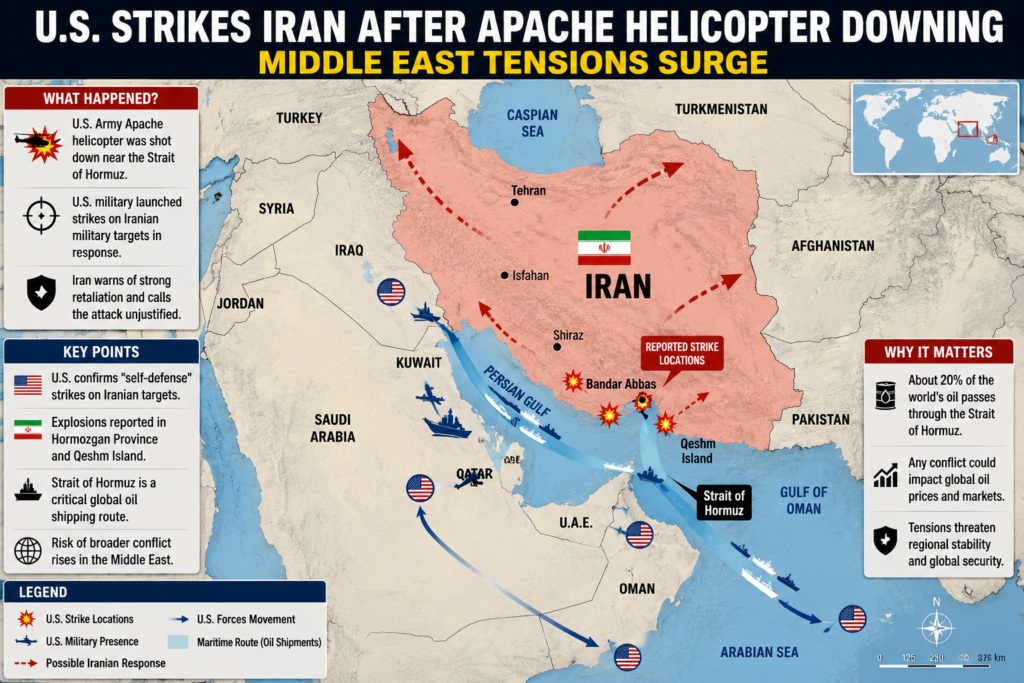
Governments around the world have urged restraint.
Several countries have called for:
- Immediate de-escalation.
- Diplomatic dialogue.
- Protection of commercial shipping routes.
- Avoidance of actions that could widen the conflict.
International observers fear that further military exchanges could affect stability across the Middle East and beyond.
What Happens Next?
Military analysts believe the coming days will be critical.
Key questions include:
- Whether Iran will launch a direct response.
- Whether the U.S. will conduct additional strikes.
- How regional allies will react.
- Whether diplomatic negotiations can resume.
The situation remains fluid, and officials in both Washington and Tehran continue to monitor developments closely.
Conclusion
The U.S. military strikes against Iran following the downing of an Apache helicopter mark one of the most serious escalations between the two countries in recent months. While American officials describe the operation as a limited and proportional response, Iran has warned that it may retaliate. With the Strait of Hormuz remaining a critical global energy corridor, the world is watching closely as events unfold in the Gulf.