


Global Economic Changes Begin Impacting India’s Currency Market
Special Report | New Delhi
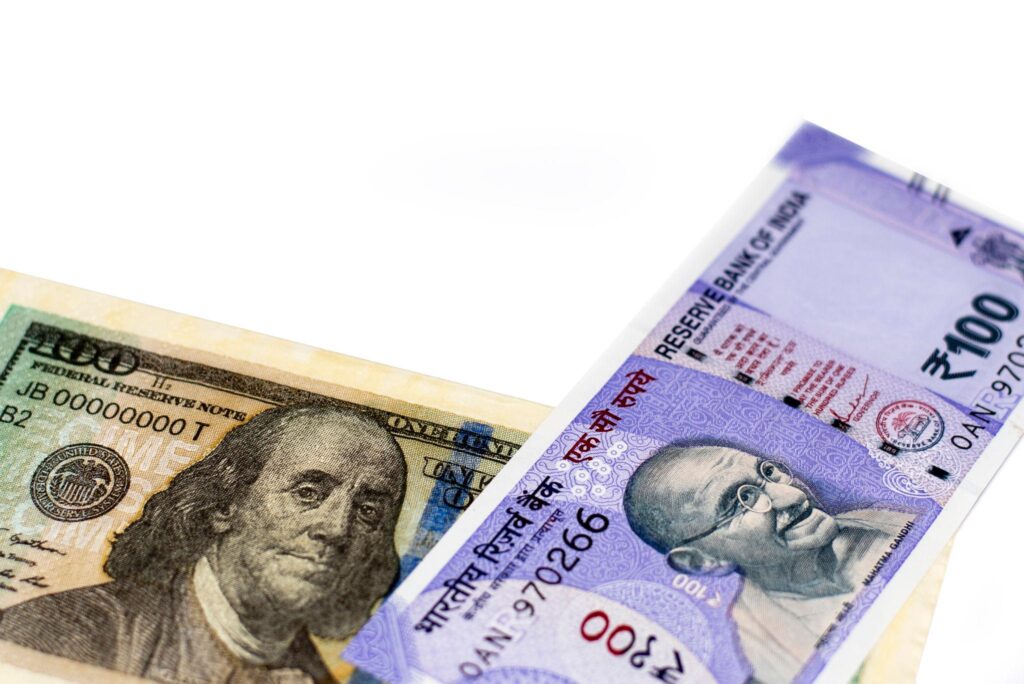
Amid ongoing uncertainty in global financial markets, fluctuations between the Indian rupee and the US dollar have become a major topic of discussion. Over the past few days, the Indian rupee has come under pressure due to the strengthening of the US dollar and rising instability in international markets.
Economic experts say several factors are influencing the currency market, including:
- Rising crude oil prices
- Changes in foreign investments
- Global geopolitical tensions
- Strength in the US economy
- Interest rate policies in major countries
These developments are directly affecting India’s economy and financial markets.
Why Is the Rupee–Dollar Relationship Important?
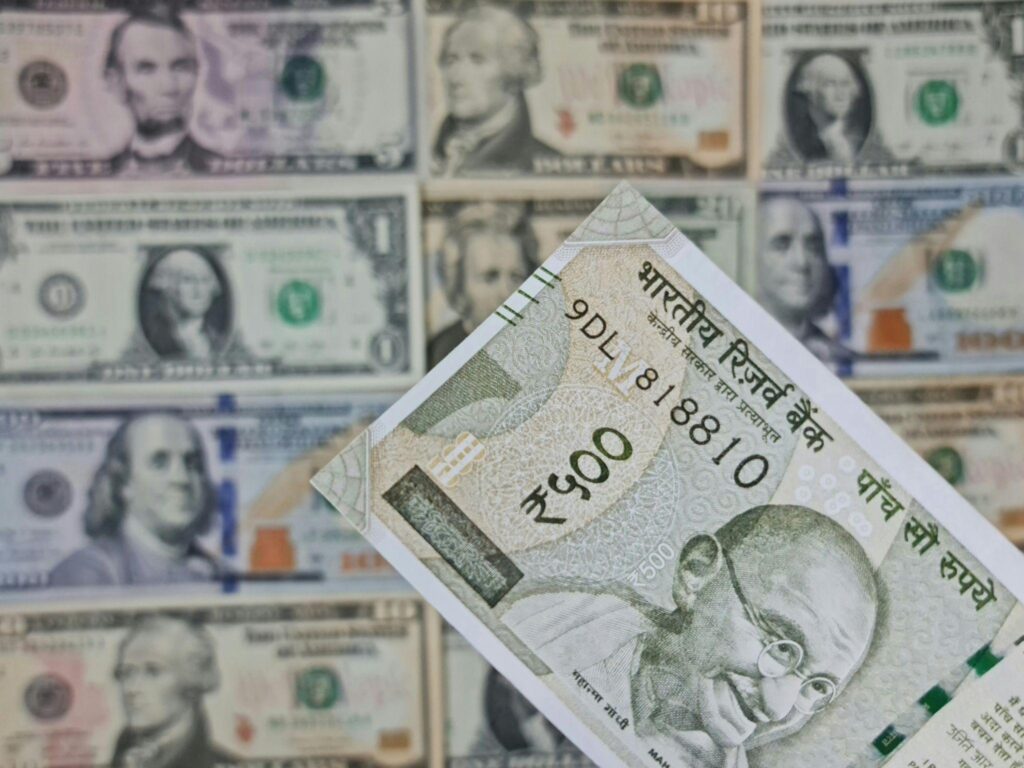
The US dollar is considered the world’s strongest and most widely used international currency. Many countries, including India, use the dollar for international trade and energy imports.
When the US dollar becomes stronger:
- Imports become more expensive.
- Foreign goods cost more.
- Pressure increases on local currencies like the rupee.
On the other hand, a stronger rupee can help reduce import costs and control inflation.
Why Is the Rupee Under Pressure?
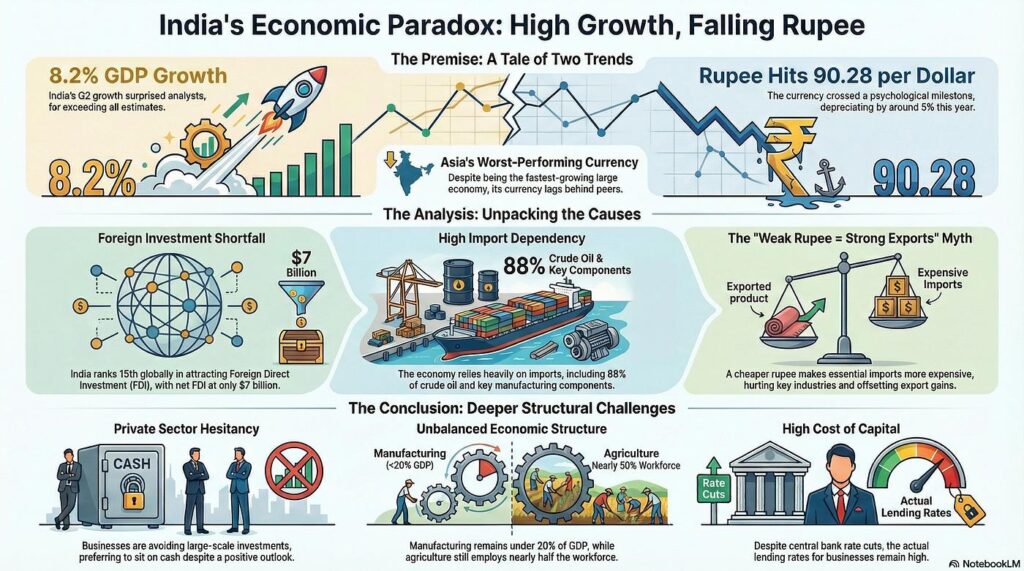
According to experts, multiple factors are currently weakening the Indian rupee.
Rising Oil Prices
India imports a large portion of its crude oil requirements from other countries.
When global oil prices rise:
- India needs more dollars to purchase oil.
- Import bills increase
- Demand for dollars rises in the market.
This places additional pressure on the rupee.
Global Geopolitical Tensions
International tensions involving the United States, China, and the Middle East have increased uncertainty in global markets.
During uncertain periods, investors usually move their money toward safer assets like the US dollar, strengthening the American currency further.
Higher US Interest Rates
If the US Federal Reserve raises interest rates:
- Investors may shift money toward US markets.
- Foreign investments may leave emerging economies.
- Developing countries can face currency pressure.
This can weaken currencies like the Indian rupee.
Impact on the Indian Economy
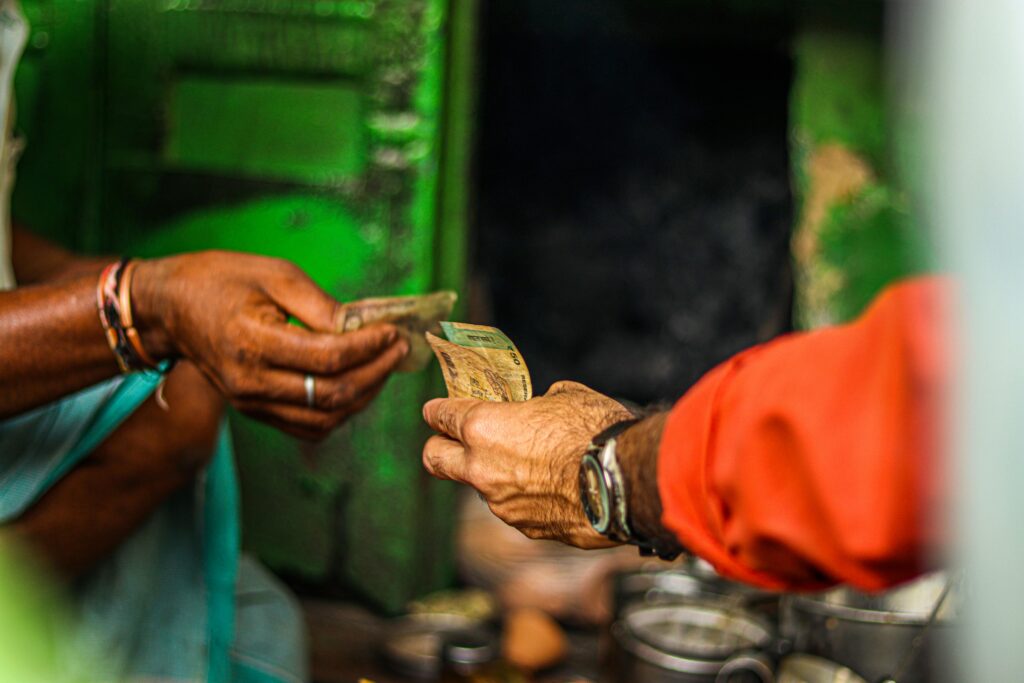
Fluctuations in the rupee affect both businesses and ordinary citizens.
Higher Fuel Prices
A weaker rupee combined with rising oil prices can increase:
- Petrol and diesel prices
- Transportation costs
- Inflation levels
This affects everyday expenses across the economy.
Imported Goods May Become Expensive
Products such as:
- Smartphones
- Laptops
- Electronics
- Imported machinery
may become costlier if the rupee weakens further.
Foreign Travel and Education Costs Increase
Students studying abroad and people traveling internationally may face higher expenses because of the stronger dollar.
Some Sectors Also Benefit
Despite challenges, certain industries may benefit from a weaker rupee.

IT and Export Sector
India’s IT companies and exporters often earn revenue in US dollars.
When the dollar strengthens:
- Export earnings increase in rupee terms
- Profit margins may improve.
- Export-oriented industries can benefit.
This is one reason why some technology and export companies perform well even during currency fluctuations.
Role of the Reserve Bank of India
The Reserve Bank of India is closely monitoring market conditions.
If necessary, the RBI can:
- Buy or sell dollars in the market.
- Adjust interest rates
- Take measures to stabilize the currency market.
Experts believe India’s foreign exchange reserves currently provide a level of financial stability.
Impact of Global Markets
Changes in major global economies often influence the Indian currency market.
Particularly important factors include:
- US economic performance
- Oil-producing nations
- China’s economic growth
- Global investor sentiment
These factors can directly affect the rupee’s value against the dollar.
What Experts Say
Economic analysts believe:
“Currency fluctuations are a normal part of global financial markets, but prolonged weakness can become a concern.”
Experts say a strong domestic economy, rising exports, and controlled inflation can help stabilize the rupee over time.
Public Concerns

Ordinary citizens are mainly concerned about:
- Rising inflation
- Fuel prices
- Increasing daily expenses
- Higher travel and education costs
Social media discussions regarding the rupee’s performance and global economic conditions have also increased significantly.
Conclusion
The fluctuation between the Indian rupee and the US dollar is not just a financial market issue—it directly impacts India’s economy and the daily lives of millions of people.
Global uncertainty, oil prices, foreign investments, and international economic policies will continue influencing the rupee in the coming months.
Although challenges remain, experts believe India’s growing economy, strong digital sector, and expanding exports could help maintain long-term stability in the future.