

Middle East Tensions Escalate Again
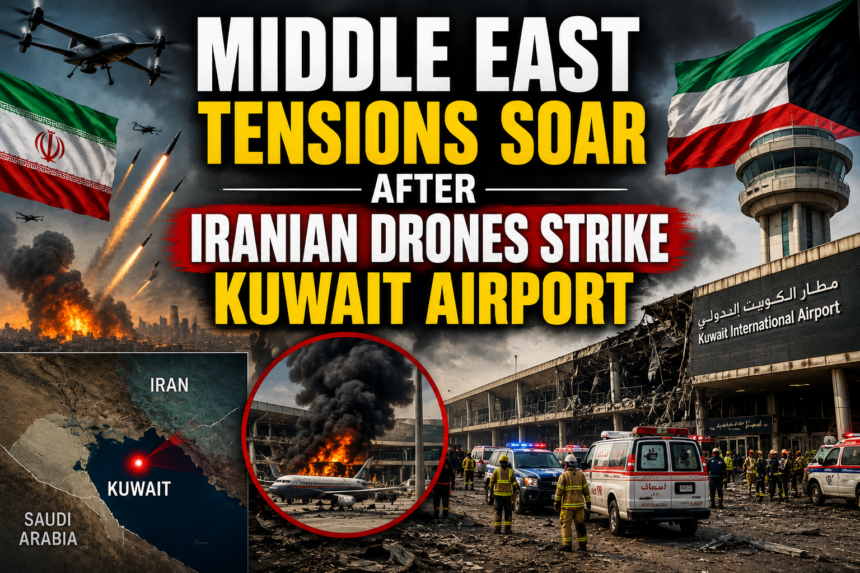
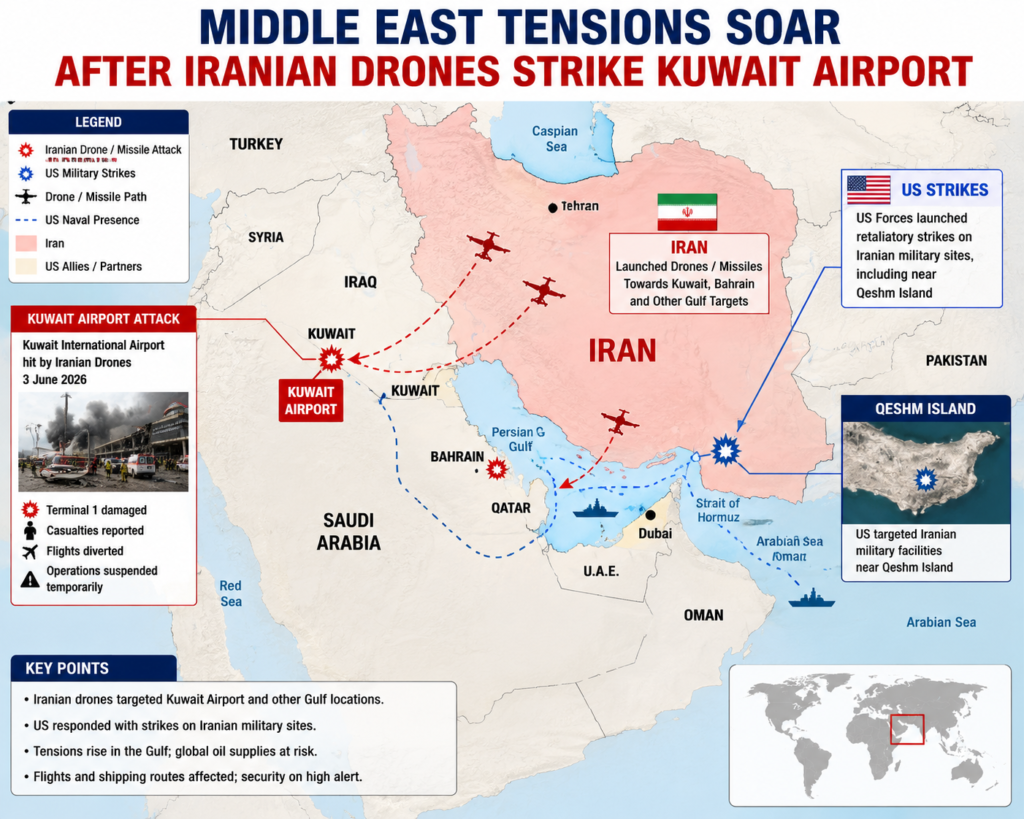
A fresh wave of military confrontation between the United States and Iran has intensified tensions across the Gulf region. On June 3, 2026, Kuwait reported that its main international airport was struck by Iranian drones and missiles, causing casualties, injuries, and significant damage to airport infrastructure. The attack came amid a renewed exchange of strikes between U.S. and Iranian forces.
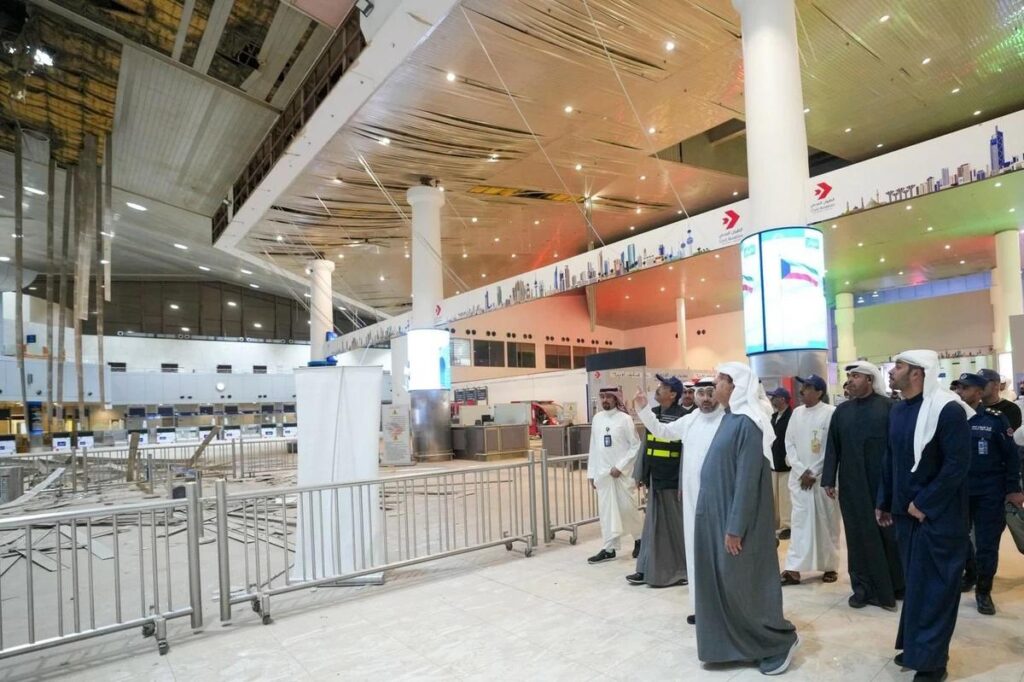
According to Kuwaiti authorities, the attack damaged Terminal 1 of Kuwait International Airport, injured several people, and killed at least one person. Flight operations were temporarily disrupted, forcing authorities to divert flights and suspend some airport services.
What Happened?
Kuwait stated that Iranian drones and missiles targeted civilian infrastructure, including the airport and other locations in the country. Several projectiles reportedly malfunctioned or were intercepted, but some managed to reach their targets, causing damage and panic among travelers and airport staff.
The attack marks one of the most serious incidents involving Kuwait since the broader U.S.-Iran conflict escalated earlier this year. Kuwait is a close U.S. ally and hosts American military personnel, making it strategically important in the Gulf region.
U.S. Response
In response to the attacks, the U.S. military announced that it had carried out what it described as “self-defense strikes” against Iranian military targets.
According to U.S. Central Command, American forces struck military facilities on Qeshm Island and intercepted multiple Iranian drones and missiles that were allegedly targeting civilian shipping lanes, U.S. forces, and allied countries in the Gulf.
American officials said the strikes were intended to protect U.S. personnel and maintain security in the strategically vital Strait of Hormuz, through which a significant portion of the world’s oil supply passes.
Iran’s Position
Iran’s Islamic Revolutionary Guard Corps claimed responsibility for several missile and drone operations targeting U.S.-linked military assets in the region.
Iranian media reported that the attacks were retaliation for alleged U.S. military actions near Iranian territory and against Iranian vessels. Tehran has argued that its operations are defensive responses to what it considers American aggression.
Iran also claimed to have targeted facilities connected to the U.S. Fifth Fleet and other military positions in the Gulf, although some of these claims have been disputed by U.S. officials.
Impact on Kuwait
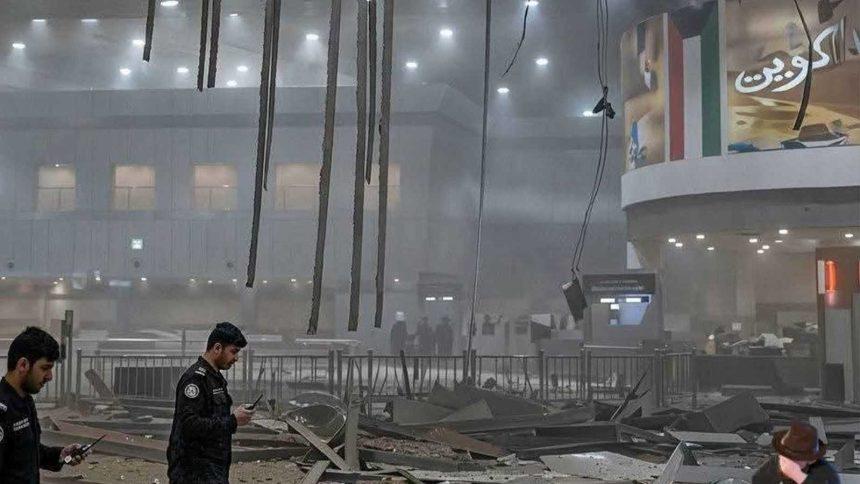
The attack has raised serious concerns about civilian safety and regional stability.
Kuwaiti authorities temporarily suspended or redirected flights after the airport strike. Airlines operating in the region issued travel advisories, while several international carriers reviewed their flight routes. India’s airline IndiGo also announced disruptions to services involving Kuwait.
Government officials condemned the attack and described it as a violation of international norms, especially because civilian infrastructure was affected.
Impact on Oil Markets
The renewed conflict immediately affected global financial markets.
Oil prices rose sharply as investors feared potential disruptions in Gulf energy supplies and shipping routes. Brent crude moved closer to $100 per barrel, while stock markets in Europe and other regions reacted negatively to the escalating tensions.
Energy analysts warn that any prolonged conflict around the Strait of Hormuz could have major consequences for global fuel prices and inflation.
International Concern
Several countries have called for restraint and urged both Washington and Tehran to return to diplomatic negotiations.
The latest strikes come as efforts to revive talks on Iran’s nuclear program remain stalled. Analysts fear that continued military exchanges could further destabilize the Middle East and increase risks for international trade, aviation, and energy markets.
Conclusion
The latest exchange of strikes between the United States and Iran represents another dangerous escalation in an already volatile region. The reported Iranian drone attack on Kuwait International Airport, coupled with U.S. retaliatory strikes, highlights how quickly the conflict is expanding beyond direct military targets and affecting civilian infrastructure. As tensions rise, the international community is closely watching developments, hoping that diplomacy can prevent a wider regional confrontation.