

Global Economic Uncertainty Raises Concerns Among Investors

Special Report | New Delhi
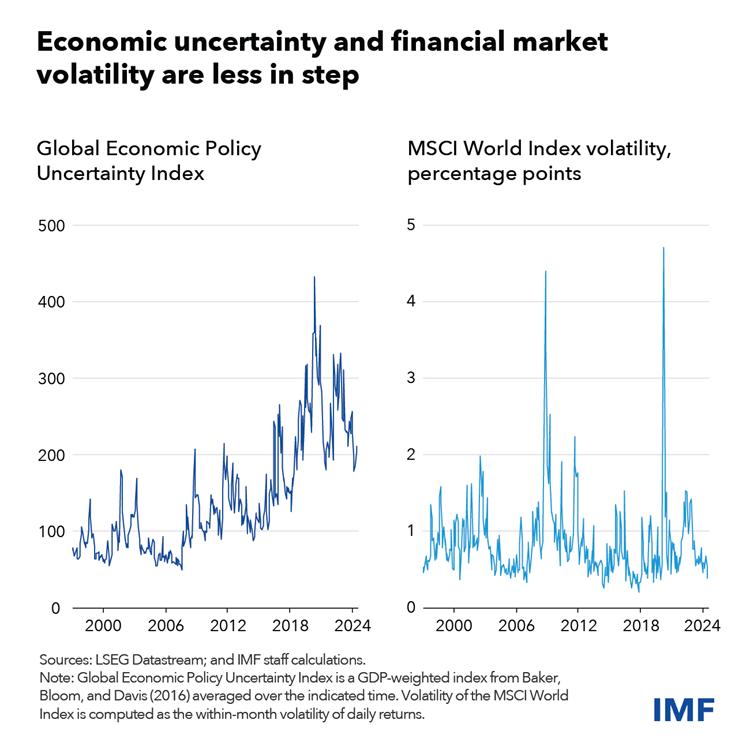
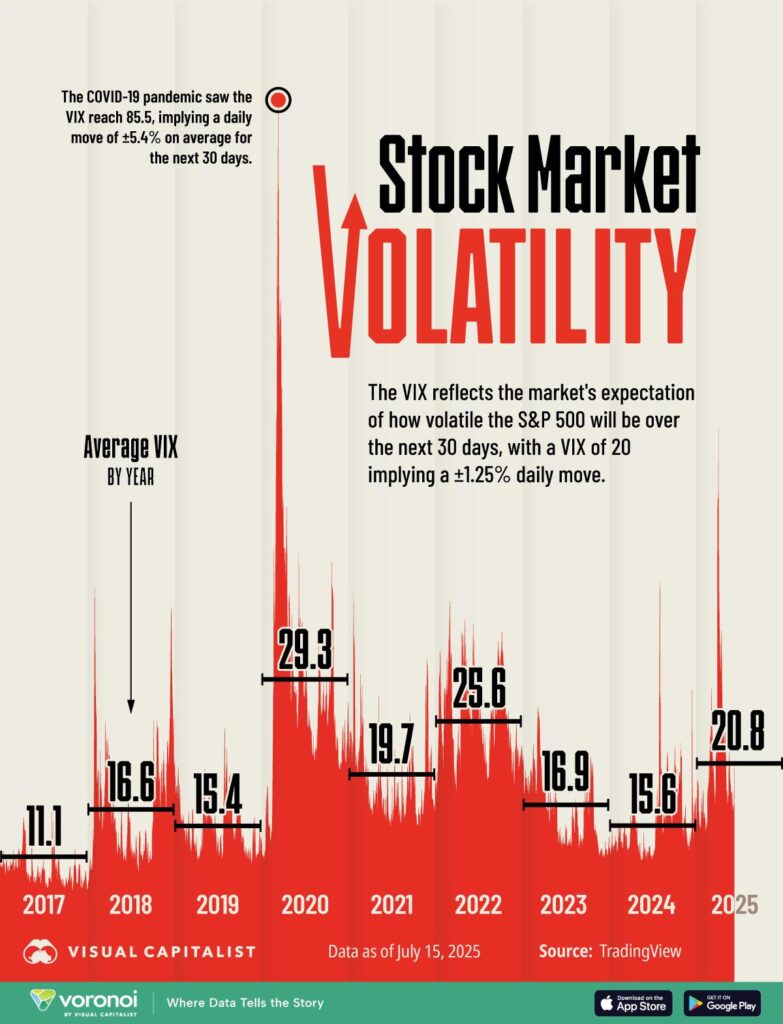
International financial markets are currently witnessing significant volatility as major stock exchanges across the United States, Europe, and Asia continue to fluctuate sharply. Investors and businesses worldwide are becoming increasingly concerned due to rising geopolitical tensions, increasing oil prices, inflation pressures, and global economic uncertainty.
To better understand what is fueling these rapid shifts, it’s important to look at the underlying factors currently shaping the global economic climate.
Why Are International Markets Becoming Unstable?
According to economic analysts, several major factors are driving volatility in global markets.
Geopolitical Tensions
Political and military tensions involving countries such as the United States, China, and regions in the Middle East have increased uncertainty in global markets.
Whenever international conflicts or diplomatic tensions rise:
- Investor confidence weakens
- Trade routes may be disrupted.
- Energy supply chains become uncertain.
- Global investments slow down.
This directly affects stock markets around the world.
Rising Oil Prices
The increase in crude oil prices has become another major concern for the global economy.
Higher oil prices often lead to:
- Increased transportation costs
- Higher inflation
- Increased manufacturing expenses
- Greater pressure on businesses and consumers
Countries like India, which import large amounts of oil, are especially affected by rising global crude prices.
Experts warn that continued increases in oil prices could slow economic growth in many developing nations.
Inflation and Interest Rates
Inflation remains a serious concern for many countries around the world.
To control inflation, central banks in several nations are increasing interest rates. However:
- Higher interest rates can reduce investments.
- Borrowing becomes more expensive.
- Business growth may slow down.
This creates additional uncertainty in financial markets.
Situation in the U.S. Markets
American stock markets have shown significant fluctuations, particularly in the technology sector.
Investors are closely watching:
- Inflation data
- Federal Reserve interest rate policies
- Employment reports
- Technology company earnings
Experts believe that developments in the U.S. economy often influence global financial markets because of America’s strong economic position.
Pressure on European Markets
European markets are also facing pressure due to:
- Energy concerns
- Slower economic growth
- Rising production costs
- Weak industrial demand
Several industries in Europe are struggling with high electricity prices and reduced consumer spending.
Mixed Trends in Asian Markets
Asian markets have shown mixed performance in recent days.
While some sectors, such as:
- Technology
- Artificial Intelligence
- Renewable Energy
continue attracting investors, export-driven industries in some countries remain under pressure.
India has performed relatively better compared to several other emerging economies.
Impact on India
The volatility in international markets is also affecting the Indian economy.
Stock Market Movements
Indian stock markets have experienced both gains and declines as global investor sentiment changes frequently.
Pressure on the Rupee
A stronger U.S. dollar could place pressure on the Indian rupee, affecting imports and foreign investments.
Fuel Prices and Inflation
If global crude oil prices continue rising:
- Petrol and diesel prices may increase.
- Inflation may rise further.
- Transportation and production costs could become higher.
This may directly impact consumers and businesses.
Technology and AI Sectors Offer Hope
Despite broader market uncertainty, sectors such as:
- Artificial Intelligence
- Digital Technology
- Renewable Energy
continue showing strong growth potential.
Major companies, including Google, Microsoft, and OpenAI, are investing heavily in AI development and digital innovation.
Experts believe these industries could drive future economic growth globally.
Growing Strength of Green Energy
Renewable energy is increasingly being viewed as the future of global economic development.
Countries around the world are investing heavily in:
- Solar energy
- Electric vehicles
- Green hydrogen
- Sustainable infrastructure
Analysts say the green economy may become one of the most important drivers of future global growth.
What Experts Say
Economic experts believe the world is currently going through a major economic transition.
According to analysts:
“Short-term market volatility may continue, but technology and green sectors are likely to remain strong in the long run.”
Many experts believe that emerging economies that invest in innovation and infrastructure may perform better in the future.
Advice for Investors
Financial advisors are encouraging investors to:
✔️ Avoid panic-based decisions
✔️ Focus on long-term investment strategies
✔️ Monitor global developments carefully
✔️ Diversify investments across sectors
Conclusion
The current volatility in international markets reflects the uncertainty facing the global economy today. Political tensions, rising oil prices, inflation, and changing trade patterns are creating pressure on economies worldwide.
However, sectors such as AI, digital technology, and renewable energy continue to provide optimism for future growth.
The direction of the global economy in the coming months will largely depend on international political stability, energy markets, and economic policy decisions taken by major nations around the world.