

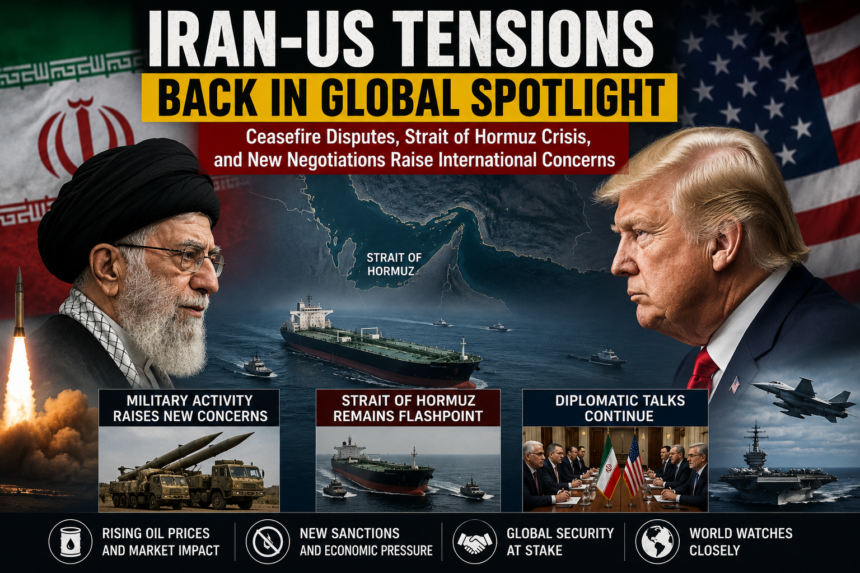
Ceasefire Disputes, Strait of Hormuz Crisis, and New Negotiations Raise International Concerns
Special Report | International Desk
Tensions between Iran and the United States have resurfaced as ceasefire disputes, military activities, sanctions, and uncertainties surrounding the Strait of Hormuz create instability in the Middle East.
Despite ongoing diplomatic talks, both sides have exchanged accusations, drawing global focus because of potential impacts on security, oil markets, and the world economy.
Iran Accuses the US of Violating the Ceasefire
Iranian officials have accused the United States of violating the ceasefire agreement through military strikes near strategic areas and maritime routes.
According to reports, Iran claimed that US actions targeted ships and locations connected to the Strait of Hormuz region, increasing tensions despite ongoing diplomatic efforts. Iranian military officials described the actions as a serious breach of the truce agreement.
The United States, however, stated that its military operations were defensive in nature and aimed at protecting international shipping routes and American interests in the region.
Military Activity Raises New Concerns
Recent reports indicate that clashes involving drones, naval forces, and military strikes have occurred near the Strait of Hormuz.
US officials said military action was taken after threats emerged against commercial vessels attempting to cross the strategic waterway. Iran, on the other hand, accused the US of escalating the situation through retaliatory operations.
Security analysts warn that continued military incidents could weaken diplomatic progress and increase the risk of a larger regional confrontation.
Strait of Hormuz Remains the Biggest Flashpoint
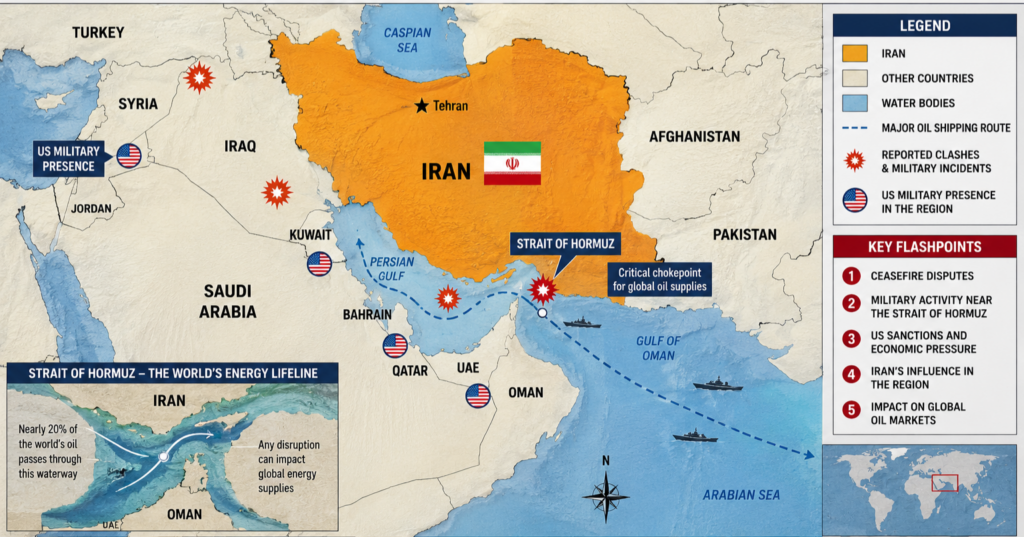
The Strait of Hormuz has become the central issue in the Iran-US dispute.
The waterway is one of the most important energy routes in the world, with nearly 20% of global oil and gas supplies passing through it. Any disruption in the region can directly affect international energy markets.
Since the beginning of the crisis:
- Shipping traffic has been disrupted.
- Insurance costs for vessels have increased.
- Several military escort operations have been launched.
- Concerns about global oil supply have intensified.
New Sanctions and Economic Pressure
The United States has continued imposing economic pressure on Iran through sanctions targeting oil-related activities and shipping networks.
Washington argues that these measures are necessary to limit funding for military operations and regional activities linked to Iranian authorities. Iran has strongly criticized the sanctions, calling them illegal and harmful to ongoing peace efforts.
The economic confrontation has added another layer of complexity to the already fragile relationship between the two countries.
Diplomatic Talks Continue
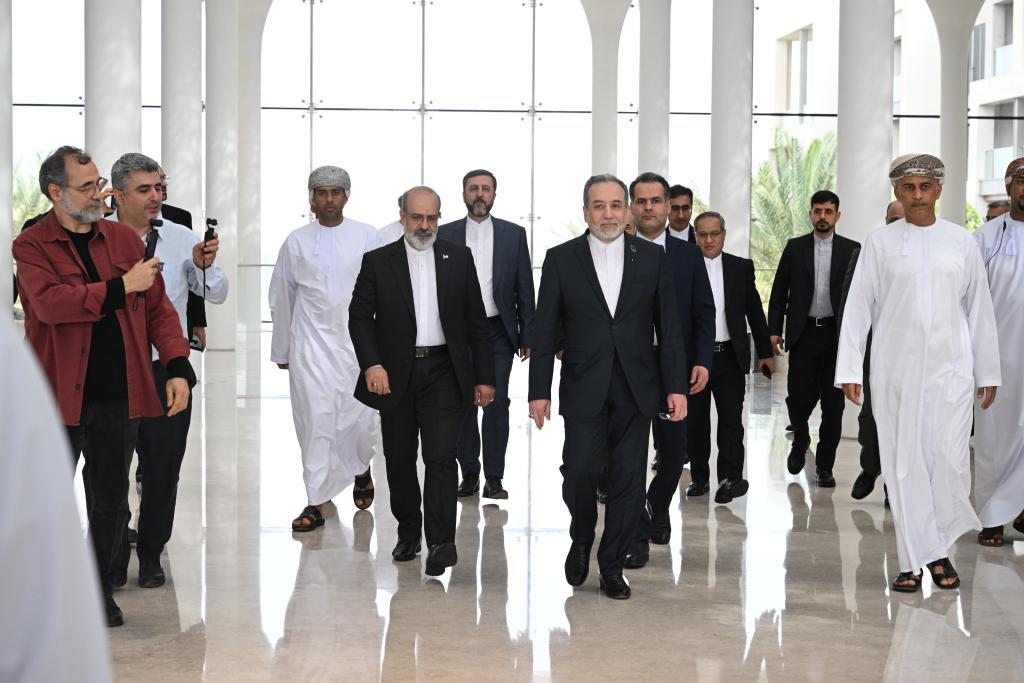
Despite the tensions, diplomatic negotiations are still underway.
Reports suggest that mediators from countries such as Qatar and Pakistan have been helping facilitate discussions between Iranian and American representatives. A tentative proposal reportedly includes:
- Extending the ceasefire for 60 days.
- Launching new nuclear discussions.
- Addressing shipping security in the Strait of Hormuz.
- Exploring sanctions-related issues.
However, significant disagreements remain over nuclear policy, regional security arrangements, and maritime control.
Global Markets Watching Closely
The Iran-US conflict is being closely monitored by investors and governments around the world.
Concerns include:
- Rising oil prices.
- Energy supply disruptions.
- Inflation risks.
- Global trade uncertainty.
Financial markets have shown increased volatility whenever tensions rise near the Strait of Hormuz because of its importance to global energy transportation.
What Experts Are Saying
International affairs experts believe the situation remains highly sensitive.
According to analysts:
“The ceasefire may be holding temporarily, but trust between both sides remains extremely fragile.”
Experts warn that any major military incident could quickly reverse diplomatic progress and create wider instability in the region.
Conclusion
Iran-US tensions have once again become a major focus of international attention due to disputes over ceasefire violations, military operations, sanctions, and the future of the Strait of Hormuz. While negotiations continue and both sides appear interested in avoiding a larger conflict, significant challenges remain.
The coming weeks are expected to be crucial in determining whether diplomacy succeeds in reducing tensions or whether the crisis escalates further. Because of the region’s strategic importance, developments between Iran and the United States will continue to influence global politics, energy markets, and international security.