
Rising Temperatures Become a Major Concern as Authorities Issue Warnings
Special Report | New Delhi
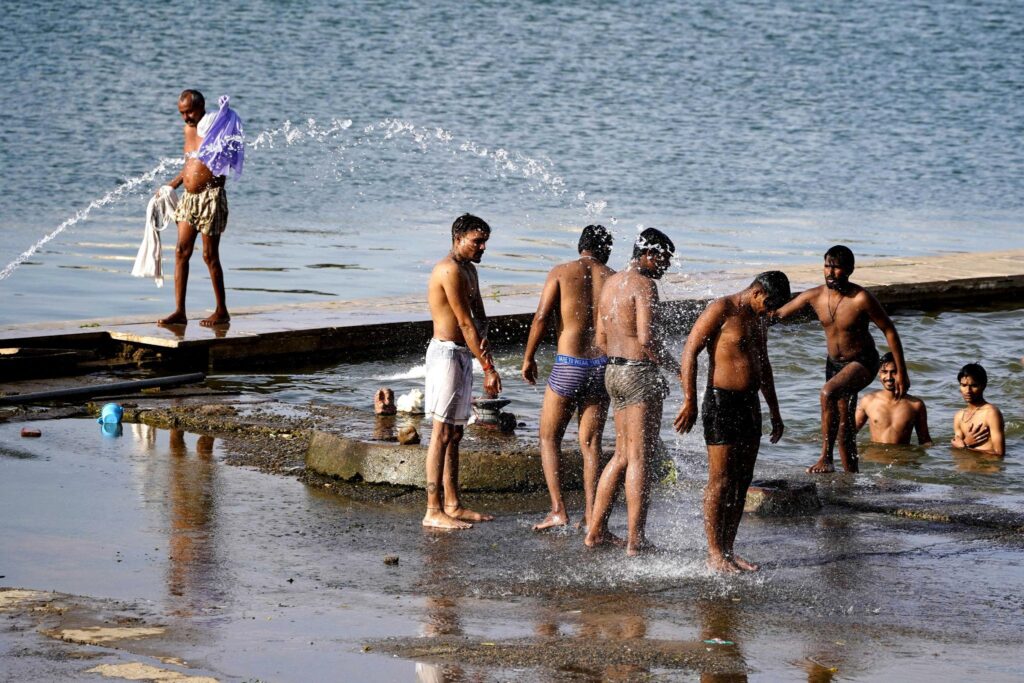
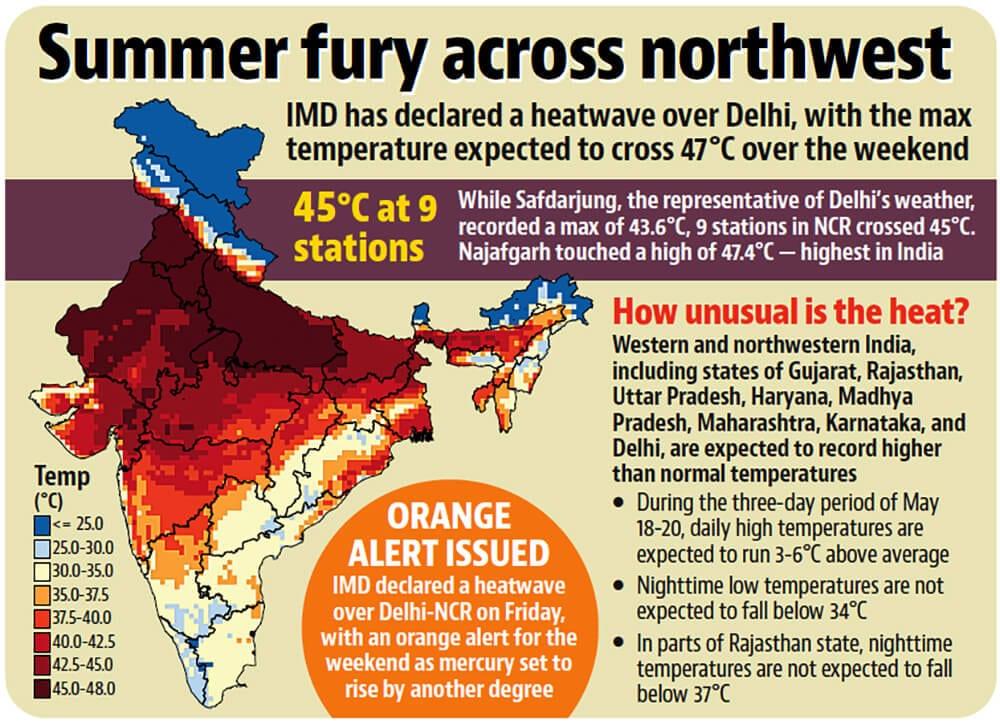
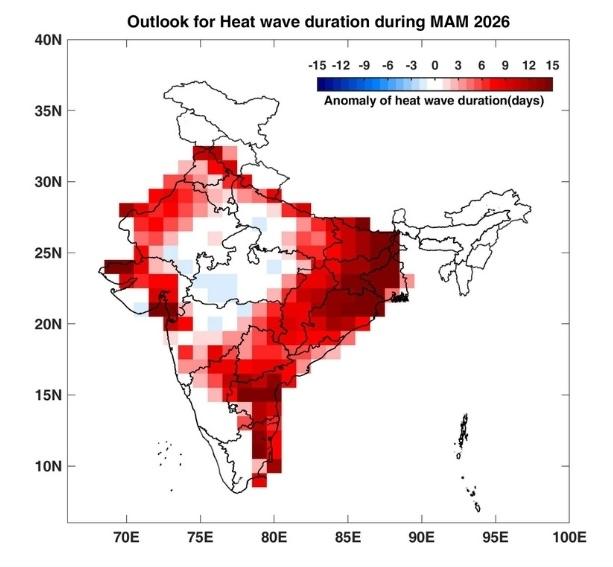
Several parts of India are currently experiencing extreme heatwave conditions as temperatures continue to rise rapidly across the country. Since the beginning of May 2026, intense heat has affected daily life in many regions, prompting the India Meteorological Department to issue heatwave alerts for multiple states.
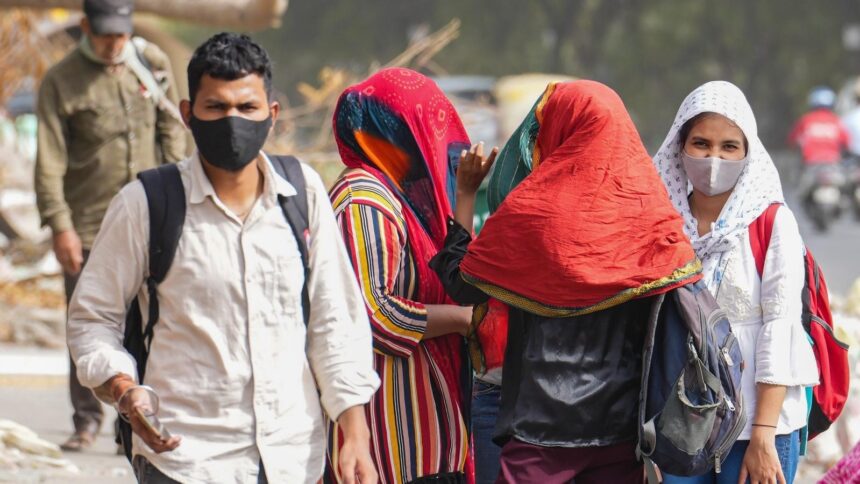
States such as Delhi, Rajasthan, Uttar Pradesh, Haryana, and several parts of central India have recorded temperatures between 44°C and 46°C. In many cities, roads appear nearly empty during the afternoon as people try to avoid the scorching heat and hot winds.
What Is a Heatwave?
A heatwave occurs when temperatures rise significantly above normal levels and hot weather conditions continue for several consecutive days.
In India, heatwave conditions are generally declared when:
- Temperatures exceed 40°C
- Or remain 4–6°C above normal levels.
Weather experts believe this year’s summer may remain more intense and prolonged than usual.
Major Reasons Behind Rising Temperatures
According to climate and weather experts, several factors are contributing to the severe heatwave conditions.
Climate Change
Global warming is increasingly affecting weather patterns across India, leading to more extreme summer conditions.
Lack of Rainfall and Clouds
Many regions have received very little rainfall, allowing temperatures to rise continuously.
Hot and Dry Winds
Hot winds coming from desert regions, especially western India, are intensifying the heat across northern states.
Urban Heat Effect
Large cities with heavy traffic, concrete structures, and limited green cover tend to trap more heat, making temperatures feel even higher.
Serious Impact on Public Health
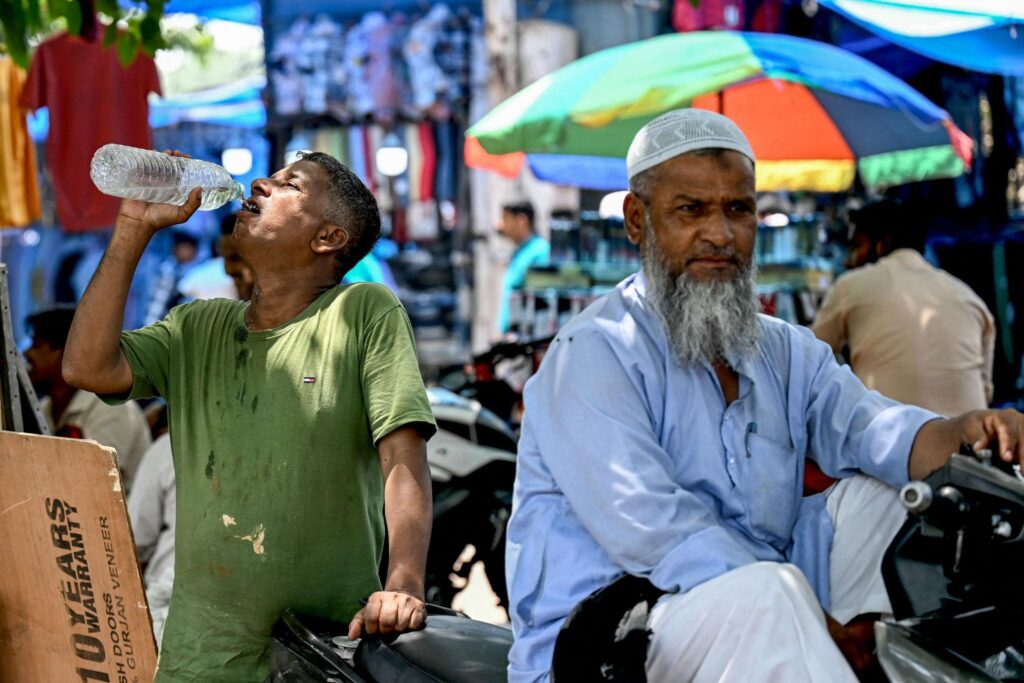
The extreme heat is having a major impact on public health.
Hospitals are reporting increased cases of:
- Heatstroke
- Dehydration
- Dizziness and weakness
- Breathing difficulties
Doctors warn that:
- Children
- Elderly people
- And those with existing health conditions
They are at the highest risk during extreme heat conditions.
Rising Demand for Water and Electricity
As temperatures continue to rise:
- Electricity consumption has reached record levels.
- Usage of air conditioners and coolers has increased sharply.
- Water demand has also risen significantly.
Some cities are already facing complaints related to power cuts and water shortages.
Farmers Face Growing Challenges
The intense heat is also affecting the agricultural sector.
Experts say that:
- Crops may dry out quickly.
- Soil moisture levels are decreasing.
- Irrigation demand is increasing.
Farmers in several regions are becoming increasingly concerned about the impact on crop production and future harvests.
Government and Authorities on Alert
State governments and local administrations have started taking precautionary measures:
- Heatwave advisories have been issued.
- Hospitals have been asked to remain prepared.
- Public awareness campaigns are being conducted.
Some regions have also adjusted school timings and reduced outdoor work hours during peak afternoon temperatures.
Safety Measures for Citizens
Health experts are advising people to take precautions such as:
✔️ Avoid going outside between 12 PM and 4 PM
✔️ Drink plenty of water
✔️ Wear light cotton clothing
✔️ Cover the head while stepping outside
✔️ Consume ORS, lemon water, and hydrating drinks
Climate Change Warning
Environmental experts believe that this extreme heat is not just a seasonal issue but also a warning sign of climate change.
If pollution and carbon emissions are not effectively controlled, heatwaves in the future could become even more severe and hazardous.
Humanity Shines During the Crisis
Amid the extreme heat, many individuals and social organizations are stepping forward to help:
- Volunteers are distributing drinking water.
- People are placing water bowls for birds and animals.
- NGOs are supporting vulnerable communities.
These efforts reflect compassion and social unity during difficult times.
Conclusion
The severe heatwave affecting India is more than just a weather event—it has become a serious environmental and public health challenge. Its impact can be seen across healthcare, agriculture, electricity supply, water resources, and everyday life.
Experts believe that addressing climate change will require collective efforts from governments, industries, and citizens alike.
For now, awareness, precaution, and mutual support remain the most important tools to stay safe during this intense summer season.