

India’s Central Bank Faces a Major Challenge Amid Global Economic Uncertainty
📰 Special Report | New Delhi
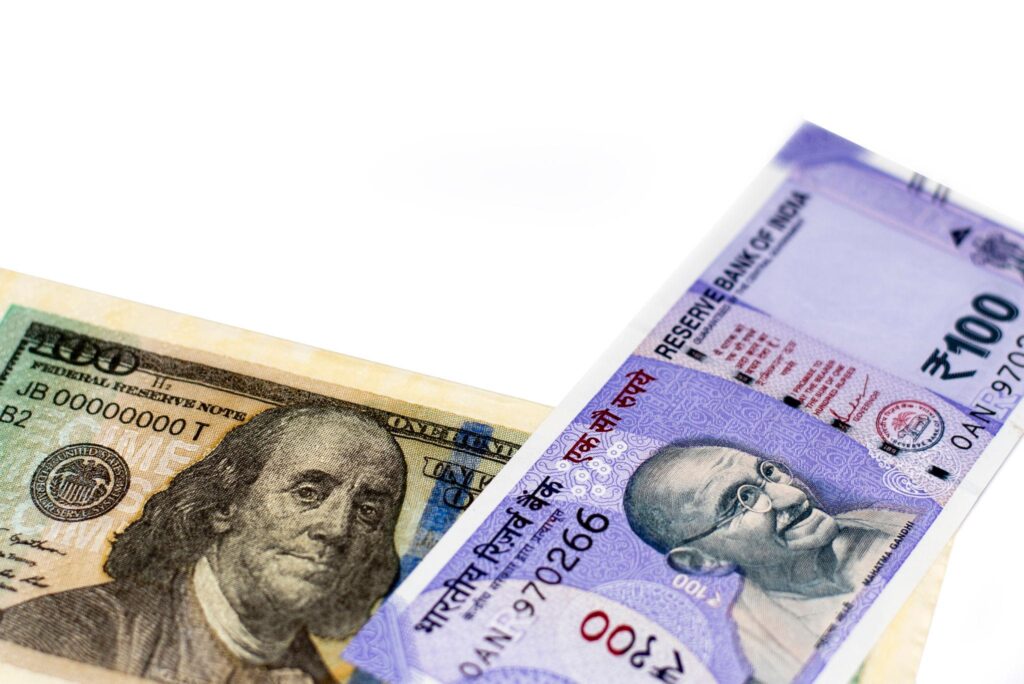
In recent weeks, the Indian rupee has witnessed a continuous decline against the US dollar, prompting the Reserve Bank of India (RBI) to remain on high alert. The strengthening US dollar, rising crude oil prices, foreign investor outflows, and geopolitical tensions in West Asia have all increased pressure on the Indian currency.
According to reports, the rupee touched record low levels during May 2026. At several points, the rupee weakened close to 96–97 against the US dollar, which analysts described as a serious signal for India’s currency market.
With the rupee facing persistent weakness, it’s important to understand the underlying reasons behind this trend.
Experts believe several domestic and international factors are contributing to the weakening of the rupee.
🛢️ 1. Rising Crude Oil Prices
India imports a large portion of its crude oil requirements from overseas markets. When global oil prices rise, India requires more US dollars to cover its import costs. This increases the demand for dollars and weakens the rupee.
Geopolitical tensions in West Asia and concerns surrounding the Strait of Hormuz have pushed oil prices higher, directly affecting India’s currency market.
🌍 2. Global Political Tensions
The Iran crisis, US-Iran tensions, and fears of wider geopolitical conflicts have prompted global investors to seek safer assets, such as the US dollar.
The dollar is often considered a “safe haven currency” during uncertain times.
As a result:
- The US dollar strengthened.
- Foreign capital moved out of emerging markets.
- Pressure increased on currencies like the rupee.
📉 3. Foreign Investor Outflows
Continuous selling by Foreign Institutional Investors (FIIs) in Indian markets has also contributed to rupee weakness.
When foreign investors withdraw money from Indian markets:
- They sell rupees
- Purchase US dollars
- And move funds overseas.
This increases demand for dollars and weakens the rupee further.
Given these pressures, the central bank’s concerns about the rupee’s value become even more significant.
A sharp decline in the rupee can create several economic problems:
- Rising inflation
- Higher import costs
- Pressure on foreign exchange reserves
- Increased fuel prices
- Slower economic growth
Because of these risks, RBI has been closely monitoring the market.
RBI Governor Sanjay Malhotra recently stated that the central bank would do “whatever is required” to maintain orderly conditions in the foreign exchange market.
💵 What Steps Can RBI Take?
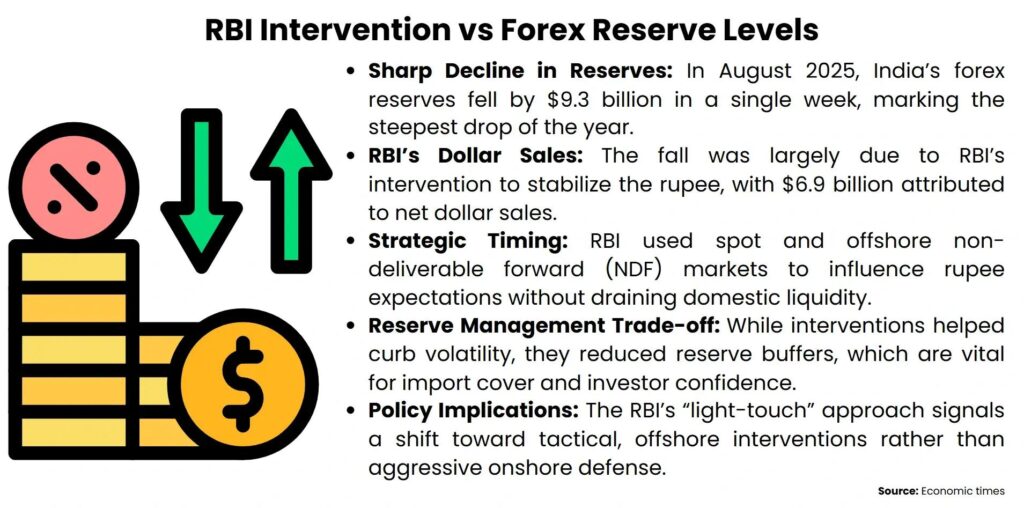
1. Selling Dollars in the Market
RBI holds large foreign exchange reserves. When necessary, the central bank can sell dollars in the market to support the rupee and reduce volatility.
Reports suggest government-owned banks were seen selling dollars aggressively to control speculation in currency markets.
2. Possible Interest Rate Hike
Some financial reports suggested the RBI may consider increasing interest rates if the rupee continues weakening.
Higher interest rates can:
- Attract foreign investment
- Increase confidence in Indian assets.
- Support the rupee
However, Reuters reported that the RBI is currently cautious about aggressive rate hikes because they may slow economic growth.
3. NRI Dollar Deposit Schemes
Sources indicate RBI may also explore special NRI deposit schemes similar to those introduced in 2013.
Such schemes could:
- Bring additional dollars into India.
- Increase forex reserves
- Improve dollar liquidity in the market.
📈 Is the Rupee Recovering?
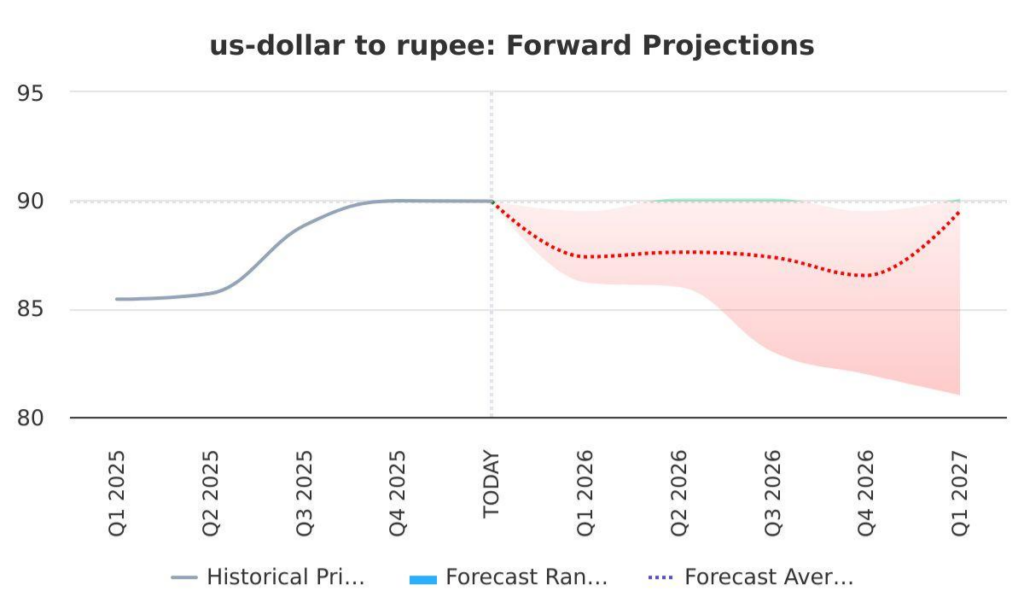
In recent days, the rupee has shown some signs of recovery after optimism surrounding possible US-Iran negotiations and easing oil prices improved market sentiment.
Experts believe that if:
- Oil prices stabilize
- Global tensions reduce
- Foreign investments return
The rupee could become more stable in the coming weeks.
⛽ How Does This Affect Ordinary Citizens?
The weakening rupee directly affects daily life in several ways.
🚗 Fuel Prices May Rise
A weaker rupee combined with expensive crude oil can increase:
- Petrol and diesel prices
- Transportation costs
- Inflation levels
This eventually affects the prices of everyday goods and services.
📱 Imported Goods Become More Expensive
Products such as:
- Smartphones
- Laptops
- Electronics
- Imported machinery
may become more expensive because companies need more rupees to buy dollars for imports.
✈️ Foreign Travel and Education Become Costlier
Students studying abroad and people traveling internationally may face higher expenses due to the stronger dollar.
💻 Some Sectors Also Benefit
Despite the challenges, certain industries can benefit from a weaker rupee.
These include:
- IT companies
- Software exporters
- Textile exporters
Since these sectors earn revenue in dollars, a stronger dollar means higher earnings when converted into rupees.
🧠 What Experts Say
Economic analysts believe:
“The weakening rupee is a concern, but India’s strong economy and large forex reserves provide stability.”
Experts say RBI is currently trying to balance:
- Inflation control
- Currency stability
- And economic growth
while avoiding panic in financial markets.
🌐 Dependence on Global Markets
Currencies of developing countries like India are heavily influenced by:
- US interest rates
- Oil prices
- Global investor sentiment
- International conflicts
If global uncertainty increases further, pressure on the rupee may continue.
❤️ Government’s Appeal
Prime Minister Narendra Modi and Finance Minister Nirmala Sitharaman have urged citizens to conserve fuel, reduce unnecessary imports, and support domestic production to help reduce pressure on foreign exchange reserves.
📝 Conclusion
The fall of the Indian rupee is not just a technical financial issue—it has direct consequences for India’s economy and the everyday lives of millions of citizens.
RBI is actively working to:
- Stabilize the currency market.
- Control inflation
- Protect foreign exchange reserves.
- Maintain investor confidence
Although challenges remain, experts believe India’s economic strength, large forex reserves, and RBI’s proactive measures may help manage the situation effectively in the long run.