
New Delhi | Special Report
Despite a sharp rise in global crude oil prices triggered by escalating tensions in the Middle East, petrol and diesel prices across most Indian cities remained largely unchanged on June 8, 2026. The situation has surprised many consumers and market observers, as fuel prices in India have traditionally been influenced by movements in international crude oil markets.
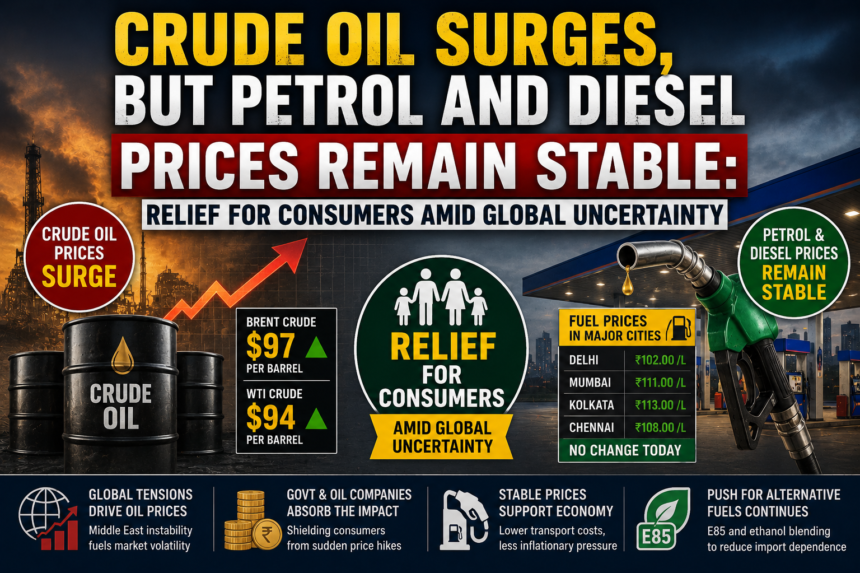
The recent surge in oil prices has been driven by renewed geopolitical tensions involving Iran, Israel, and the wider Gulf region. Brent crude oil climbed close to $97 per barrel, while U.S. crude crossed $94 per barrel, raising concerns about global energy supplies and transportation costs.
However, despite these developments, Indian consumers did not witness an immediate nationwide increase in fuel prices, providing temporary relief to households, transport operators, and businesses already dealing with inflationary pressures.
To better understand the current situation, it’s important to explore why crude oil prices are rising.
The latest increase in crude oil prices is largely linked to instability in the Middle East, one of the world’s most important oil-producing regions.
Recent military actions and escalating tensions have raised fears about disruptions to energy supplies passing through the Strait of Hormuz, a vital route through which a significant portion of global oil exports travels. Any threat to this route immediately affects international energy markets.
Analysts note that traders are worried about:
- Potential supply disruptions.
- Damage to energy infrastructure.
- Increased shipping and insurance costs.
- Possible restrictions on oil exports.
As a result, global oil prices have risen sharply over the past several weeks. Since late February, crude oil prices have increased by nearly 60%, reflecting growing concerns about regional stability.
With global crude oil prices increasing, many wonder why fuel prices in India have remained stable.
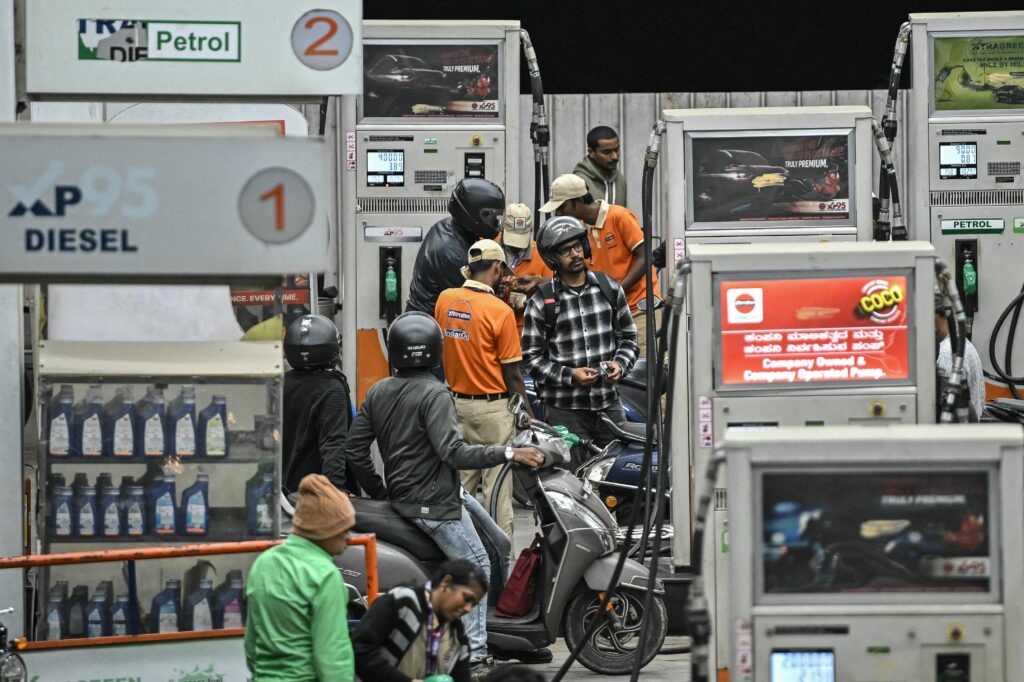
Although international crude oil prices are rising, domestic fuel prices do not always change immediately.
Several factors influence fuel pricing in India:
1. Government Policy
The government often seeks to minimize sudden shocks to consumers by carefully managing fuel pricing adjustments. Immediate pass-through of global price increases can significantly affect inflation and household budgets.
2. Oil Marketing Companies
State-run oil marketing companies sometimes absorb part of the increase in international costs rather than passing the entire burden to consumers immediately. This can temporarily stabilize retail prices.
3. Tax Structure
Petrol and diesel prices include central excise duties, state VAT, dealer commissions, and transportation costs. Therefore, retail fuel prices do not move in direct proportion to crude oil prices.
4. Inventory and Supply Management
Fuel retailers often rely on previously purchased inventories, allowing some delay before international price movements fully affect domestic markets.
Current Fuel Prices Across Major Cities
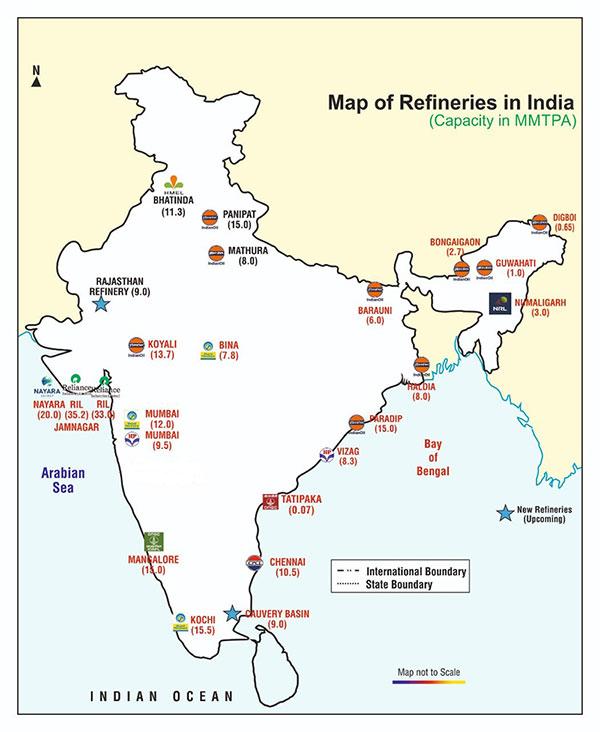
According to recent fuel price data, rates in major Indian cities remained broadly stable:
| City | Petrol Price (Approx.) |
| New Delhi | ₹102 per litre |
| Mumbai | ₹111 per litre |
| Chennai | ₹108 per litre |
| Kolkata | ₹113 per litre |
Price variations continue to depend on local taxes and transportation costs imposed by state governments.
Impact on Indian Consumers
For ordinary citizens, stable fuel prices offer temporary relief.
Petrol and diesel affect nearly every aspect of daily life, including:
- Transportation costs.
- Food prices.
- Delivery services.
- Public transport fares.
- Agricultural operations.
If fuel prices rise sharply, businesses often pass higher costs to consumers, contributing to inflation. By maintaining stable prices for now, authorities have helped prevent an immediate increase in household expenses.
However, economists caution that prolonged increases in crude oil prices could eventually force fuel price adjustments if global conditions remain unfavorable.
Pressure on Oil Marketing Companies
While consumers benefit from stable prices, oil marketing companies face growing challenges.
Industry estimates suggest that Indian oil companies are already experiencing significant under-recoveries, meaning they are selling fuel below the full cost required to recover expenses associated with procurement, refining, and distribution.
Reports indicate:
- Petrol under-recoveries have widened.
- Diesel losses remain substantial.
- Continued crude oil increases may strain the company’s finances.
Analysts estimate that losses for major fuel retailers could reach tens of thousands of crores if crude oil prices remain elevated for an extended period.
Impact on the Stock Market
The rise in oil prices has already affected financial markets.
Indian stock indices declined as investors reacted to higher crude prices and concerns about inflation. Banking, information technology, and transportation stocks experienced selling pressure amid fears that sustained oil price increases could slow economic growth.
Higher fuel costs can:
- Increase manufacturing expenses.
- Reduce corporate profitability.
- Raise transportation costs.
- Pressure consumer spending.
These factors contribute to investor caution during periods of energy market volatility.
Government’s Push for Alternative Fuels
At a time when crude oil prices remain volatile, the Indian government is accelerating efforts to reduce dependence on imported petroleum products.
One major initiative is the promotion of E85 fuel, which contains 85% ethanol and 15% petrol. Officials believe ethanol-blended fuels can help:
- Lower fuel import bills.
- Support Indian farmers.
- Reduce carbon emissions.
- Improve energy security.
The government has recently highlighted E85 as a potentially more affordable alternative for consumers in the future.
Global Impact of Rising Oil Prices
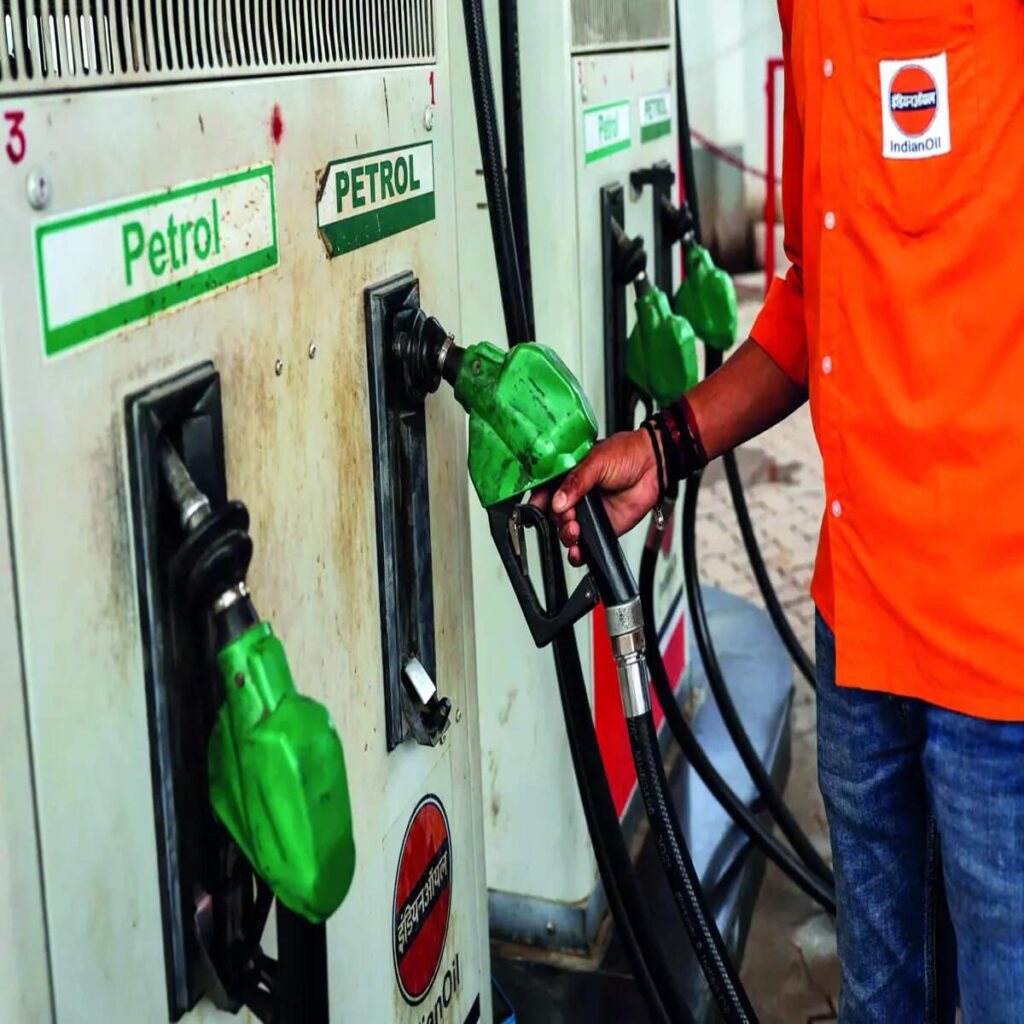
India is not the only country facing challenges.
Across Europe and Asia, rising energy prices have affected:
- Transportation sectors.
- Manufacturing industries.
- Consumer spending.
- Inflation rates.
Several European countries have already witnessed declines in fuel consumption as consumers reduce travel and attempt to manage higher costs.
Energy experts warn that if tensions in the Middle East continue, oil prices could remain elevated throughout the summer, affecting economies worldwide.
What Can Consumers Expect Next?
The future direction of fuel prices will depend on several key factors:
🌍 Geopolitical Developments
Any easing of tensions in the Middle East could stabilize oil markets.
🛢️ Global Oil Supply
Production decisions by major oil-producing countries will influence prices.
🇮🇳 Government Policy
Tax adjustments and fuel pricing decisions may affect domestic rates.
📈 Economic Conditions
Changes in global demand and economic growth will also shape future trends.
Experts believe that if crude oil remains near current levels for several weeks, upward pressure on domestic fuel prices may increase. However, authorities are expected to closely monitor the situation before making major adjustments.
Conclusion
The sharp rise in global crude oil prices has once again highlighted the vulnerability of energy markets to geopolitical tensions. While Indian consumers have so far been protected from immediate fuel price increases, sustained pressure on oil markets could create challenges for both policymakers and oil companies in the months ahead. For now, stable petrol and diesel prices offer welcome relief, but the evolving situation in the Middle East and international energy markets will remain a key factor shaping India’s fuel economy.