

New Delhi | Special Report
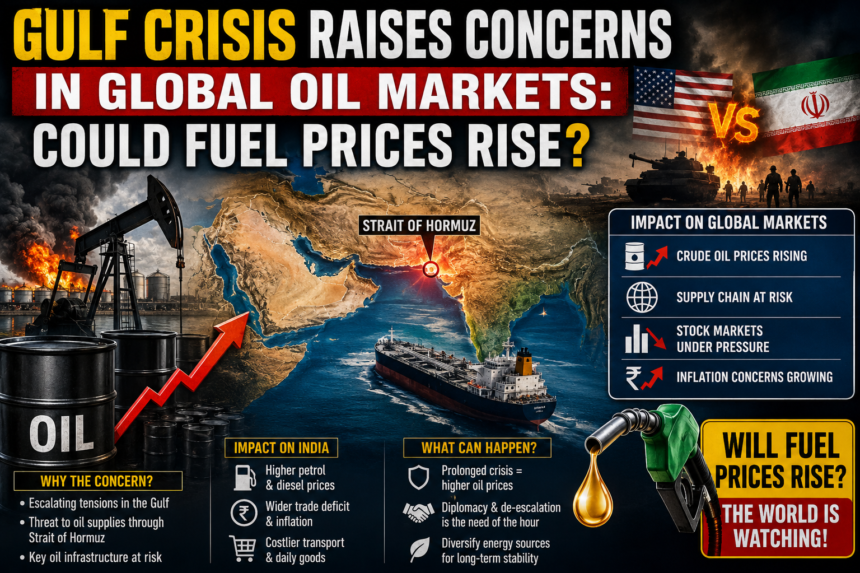
Growing tensions in the Gulf region have once again put global energy markets on edge. Escalating military confrontations between the United States and Iran, reports of drone attacks in Kuwait, and rising geopolitical uncertainty across the Middle East have triggered concerns about global oil supplies and energy security.
As a result, international crude oil prices have become more volatile, prompting analysts to warn that prolonged instability could affect economies worldwide, including major oil-importing nations such as India. Recent developments have renewed fears of supply disruptions in one of the world’s most critical energy-producing regions.
What Is the Gulf Crisis?
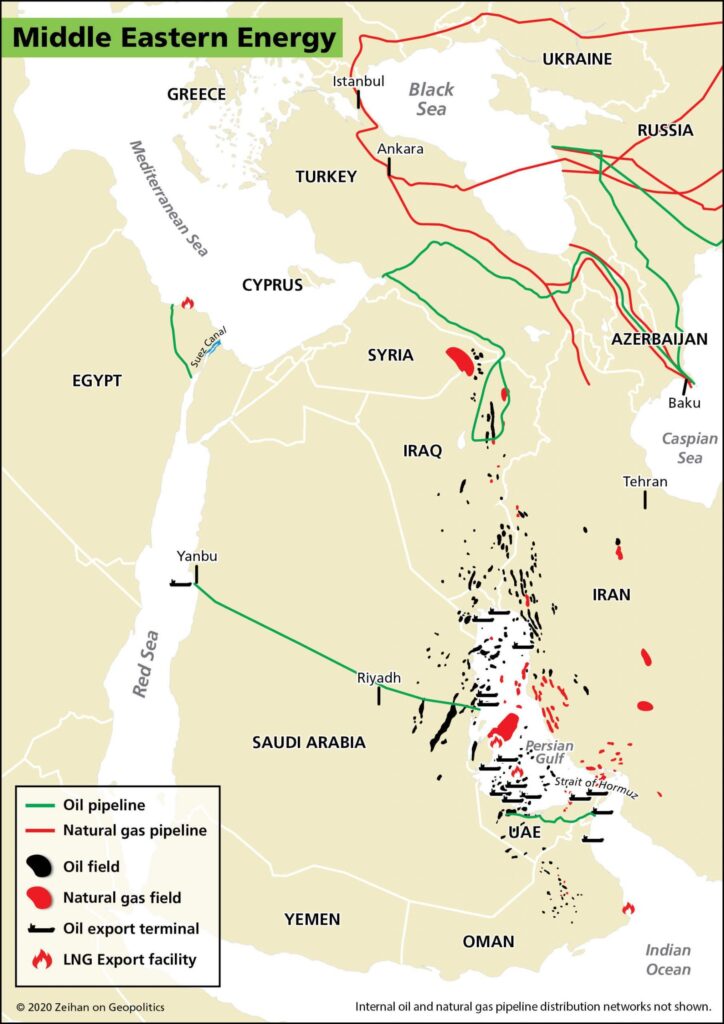
The Gulf region is home to some of the world’s largest oil producers, including:
- Saudi Arabia
- Iran
- Kuwait
- United Arab Emirates
- Qatar
- Iraq
Together, these countries account for a significant share of global oil production and exports.
The latest tensions emerged after reports of Iranian drone and missile attacks targeting facilities in Kuwait, followed by U.S. military responses against Iranian-linked targets. These developments have increased fears that a wider regional conflict could threaten energy infrastructure and transportation routes.
Why Are Oil Markets Nervous?
The primary concern centers on the strategic waterway known as the:
Strait of Hormuz
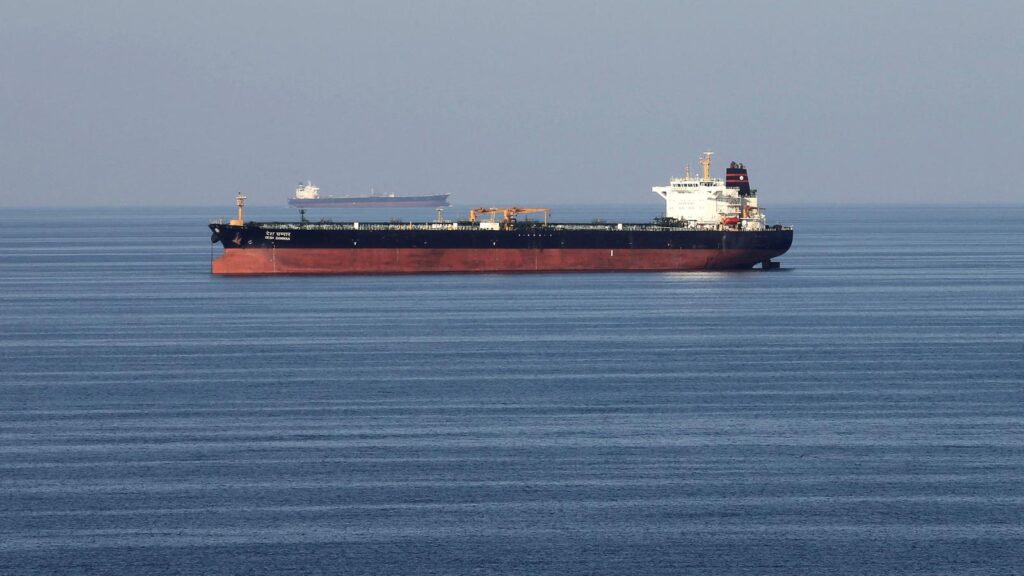
This narrow passage connects the Persian Gulf to international shipping routes and is one of the world’s most important energy corridors.
Approximately one-fifth of global seaborne oil trade passes through this route every day. Any disruption caused by military conflict, attacks on shipping, or blockades could significantly impact global energy supplies.
Because of this strategic importance, even the possibility of disruption often causes oil prices to rise.
Rising Crude Oil Prices
Following the latest escalation, international benchmark crude prices moved higher as traders reacted to geopolitical risks.
Both Brent Crude and WTI Crude experienced upward pressure amid concerns that:
- Oil production facilities could be targeted.
- Export infrastructure might be damaged.
- Shipping routes could become unsafe.
- Insurance costs for tankers could increase.
Historically, oil markets tend to react quickly to Middle East tensions, often before any actual supply disruptions occur. Investor expectations alone can drive prices higher.
How Could India Be Affected?
India is the world’s third-largest importer of crude oil and depends heavily on foreign suppliers for its energy needs.
Nearly 85% of India’s crude oil consumption is met through imports.
As a result, any sustained increase in global oil prices can have a direct impact on the Indian economy.
Potential Consequences
1. Higher Petrol and Diesel Prices
If crude oil prices continue rising, fuel retailers may face higher costs, potentially leading to increases in petrol and diesel prices.
2. Rising Inflation
Higher fuel costs typically increase transportation expenses, which can affect food prices, consumer goods, and logistics costs across the economy.
3. Larger Import Bill
More expensive crude imports increase the country’s overall import expenditure, potentially widening the trade deficit.
4. Pressure on the Rupee
Greater demand for foreign currency to pay for oil imports can place downward pressure on the Indian rupee.
India’s Energy Security Strategy
India has spent the last several years diversifying its sources of crude oil imports to reduce dependence on any single region.
The country has increased imports from:
- Russia
- The United States
- African producers
- Venezuela
Recently, Acting President Delcy Rodríguez visited India to discuss stronger energy cooperation and trade relations. Such partnerships are viewed as important steps toward strengthening India’s long-term energy security.
India has also invested in strategic petroleum reserves to provide protection against short-term supply disruptions.
Impact on the Global Economy
The effects of Gulf tensions extend well beyond oil markets.
Stock Markets
Geopolitical uncertainty often causes investors to move away from riskier assets, leading to volatility in equity markets.
Gold Prices
Gold is generally considered a safe-haven asset during periods of uncertainty. Rising geopolitical tensions frequently lead to higher gold prices.
Aviation Industry
Higher oil prices increase aviation fuel costs, potentially leading to more expensive air travel.
Global Inflation
Energy costs influence virtually every sector of the economy. Sustained increases in oil prices can contribute to inflation across multiple countries.
What Are Experts Saying?
Energy analysts believe that current market reactions are largely driven by risk perceptions rather than actual supply shortages.
However, they warn that if military tensions continue to escalate, markets could experience far greater disruptions.
Some experts suggest that a prolonged conflict affecting oil transportation routes could push crude prices above $100 per barrel. Such a scenario would likely increase economic pressures worldwide.
Will Fuel Prices Increase Immediately?
Not necessarily.
Fuel prices depend on several factors, including:
- International crude oil prices
- Currency exchange rates
- Government taxes and duties
- Refining and distribution costs
- Pricing decisions by oil companies
If the crisis remains short-lived, consumers may not experience significant changes at the pump. However, a prolonged escalation could increase the likelihood of fuel price adjustments.
Possible Solutions
Diplomatic Efforts
International mediation and diplomatic negotiations remain the most effective way to reduce tensions.
Energy Diversification
Countries can reduce vulnerability by investing in renewable energy sources such as solar and wind power.
Alternative Supply Sources
Importing nations may continue expanding their supplier networks to reduce dependence on any single region.
Strategic Reserves
Maintaining large petroleum reserves can help countries manage temporary supply disruptions.
Conclusion
The growing Gulf crisis has become a major concern for global energy markets. Rising tensions between the United States and Iran have created uncertainty regarding oil supplies, transportation routes, and regional stability.
For oil-importing countries like India, the situation is particularly significant because fluctuations in crude oil prices can affect fuel costs, inflation, trade balances, and overall economic growth.
While markets are closely monitoring developments, much will depend on whether diplomatic efforts succeed in easing tensions. If the conflict expands further, the consequences could be felt far beyond the Middle East, impacting economies and consumers around the world.