

Pune | Special Report
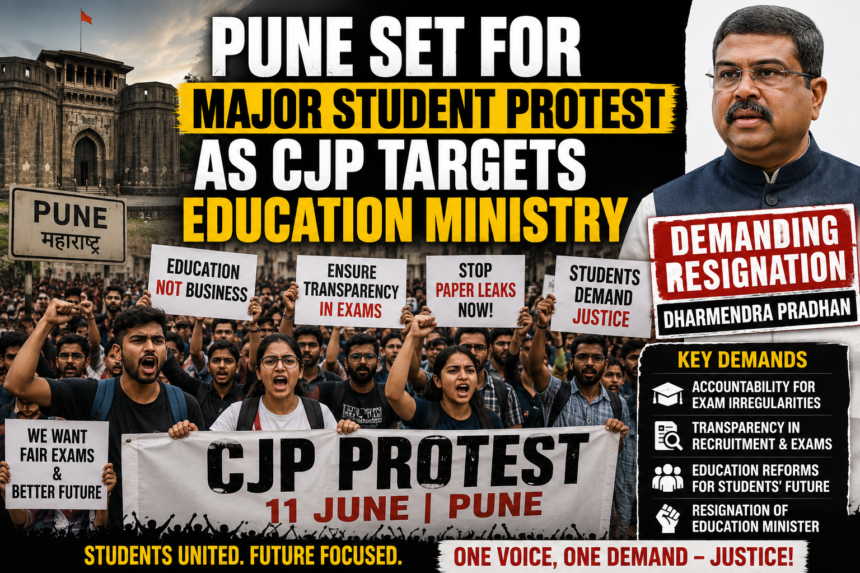
India’s rapidly growing youth-led movement, the Cockroach Janata Party (CJP), has announced another major protest, this time in Pune, Maharashtra, on June 11, 2026. The demonstration will focus on demanding the resignation of Union Education Minister Dharmendra Pradhan over alleged irregularities in examinations and recruitment processes. The protest is expected to be held at the campus of Savitribai Phule Pune University, one of India’s leading educational institutions.
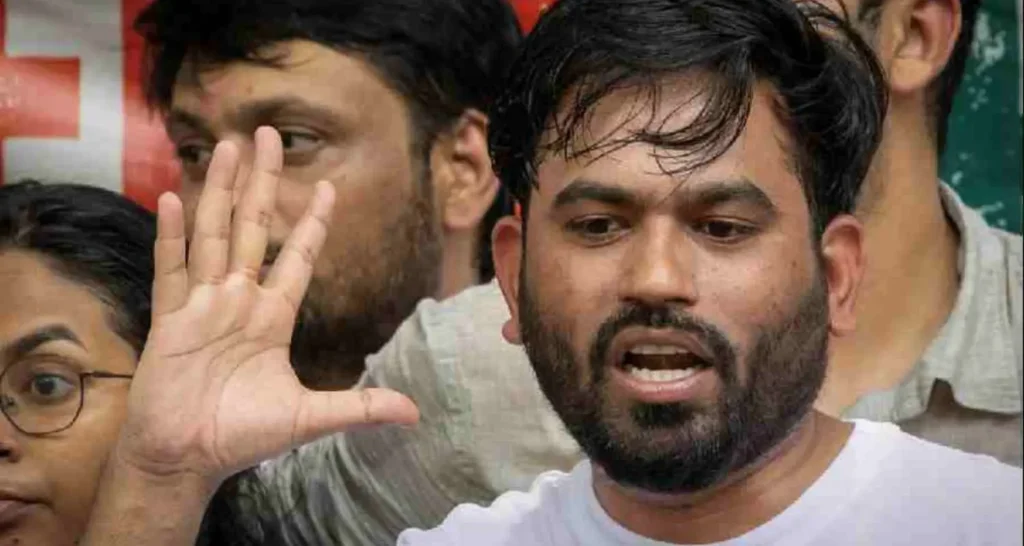
The announcement was made by CJP founder Abhijeet Dipke, who has emerged as the face of a movement that began as an online campaign but has quickly evolved into a nationwide youth protest platform. Following the group’s first major demonstration at Delhi’s Jantar Mantar on June 6, organizers now aim to expand their campaign to different states across the country.
What Is the Protest About?
According to the organizers, the primary demand remains the resignation of Education Minister Dharmendra Pradhan. Protesters argue that repeated controversies involving examinations and recruitment tests have damaged students’ trust in the education system. The movement has highlighted concerns surrounding examination administration, transparency, evaluation processes, and alleged paper leak incidents.
The Pune protest is being presented as part of a broader campaign demanding accountability and reforms in the education sector. CJP leaders have stated that students and job aspirants across the country have faced uncertainty due to recurring controversies in competitive examinations.
Why Pune?

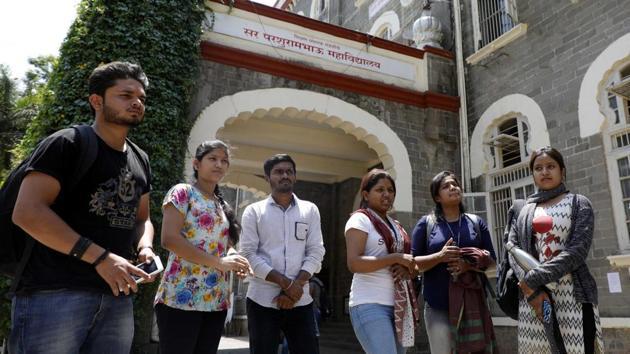
Pune is often referred to as Maharashtra’s educational capital because of its large student population and numerous universities, colleges, and research institutions.
The CJP believes Pune is an ideal location for highlighting student concerns and mobilizing youth participation. Organizers have called upon students, graduates, job aspirants, and young professionals to join the demonstration peacefully.
By choosing Pune, the movement hopes to strengthen its presence beyond Delhi and demonstrate that education-related concerns are being felt across multiple regions of India.
From Social Media Trend to National Movement
One of the most remarkable aspects of the Cockroach Janata Party is how quickly it has grown.
The movement originated on social media and gained national attention after controversial remarks comparing unemployed youth to “cockroaches” sparked widespread debate. Many young Indians adopted the term as a symbol of protest, transforming what began as satire into a larger expression of frustration regarding education, employment, and opportunities.
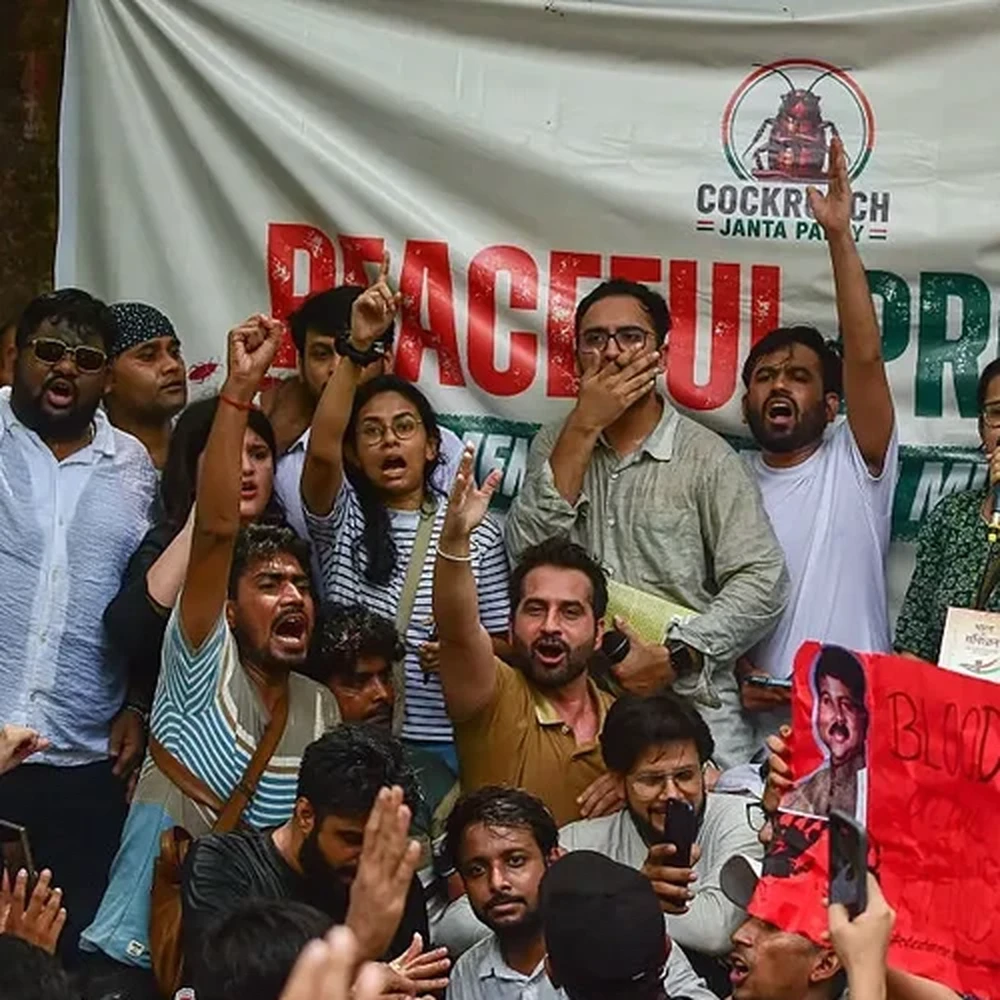
Within weeks, the movement attracted millions of followers online and generated extensive public discussion about youth issues. The June 6 protest at Jantar Mantar marked its first major street mobilization.
Peaceful Protest Strategy
CJP leaders have repeatedly emphasized that their demonstrations will remain peaceful and democratic.
Abhijeet Dipke has stated that the movement should not be compared with violent protests seen elsewhere and has encouraged supporters to engage through non-violent methods. During earlier demonstrations, participants carried flowers and copies of the Constitution while raising slogans focused on education reforms and accountability.
Organizers say the Pune protest will follow a similar approach, focusing on peaceful participation and public awareness.
Key Demands of the Movement
The movement’s major demands include:
Greater Examination Transparency
Students are calling for improved systems to ensure fairness and credibility in examinations.
Accountability for Irregularities
The group seeks stronger action in cases involving alleged examination and recruitment controversies.
Education System Reforms
Participants are demanding structural reforms to improve trust in educational institutions and competitive testing systems.
Better Opportunities for Youth
Many supporters argue that education reforms must be linked with improved employment opportunities for graduates and job seekers.
Expansion Plans Across India
The Pune protest may be only the beginning of a broader nationwide campaign.
Dipke has indicated that if their demands are not addressed, protests could be organized in additional cities and states. According to statements shared by the movement, organizers are prepared to continue demonstrations beyond June 11 and expand their activities if necessary.
This strategy reflects the group’s ambition to transform local protests into a larger national conversation about education and youth concerns.
Mixed Political Reactions
The rapid rise of the CJP has generated varied responses from political leaders and public figures.
Some activists and public personalities have expressed support for the movement’s focus on youth issues, while others have questioned its methods, messaging, or long-term political significance. Meanwhile, CJP leaders insist that the movement remains independent and is not formally aligned with any political party.
The movement’s leadership has repeatedly stated that its objective is to represent students and young people rather than serve any political organization.
Why the Movement Resonates with Young People
Analysts believe the movement has gained traction because it touches on issues affecting millions of young Indians.
Common concerns include:
- Competitive exam pressures
- Recruitment delays
- Job insecurity
- Educational quality
- Transparency in selection processes
For many participants, the protest is not only about a single minister or examination controversy but also about broader concerns regarding opportunities and the future of India’s youth.
Security and Administrative Preparations
As the protest date approaches, local authorities are expected to coordinate security arrangements and crowd management plans.
Officials will likely monitor the event closely to ensure public safety and maintain order while allowing peaceful democratic expression. No major security concerns have been officially announced so far.
Conclusion
The June 11 protest in Pune represents another significant step in the rapid rise of the Cockroach Janata Party. What started as a social media movement has evolved into a youth-driven campaign demanding accountability and reforms in India’s education system. With thousands of students and young professionals expected to follow the event closely, the Pune demonstration could become an important moment in the ongoing debate over educational transparency, examination governance, and opportunities for India’s younger generation. Whether the movement succeeds in achieving its demands remains uncertain, but it has already succeeded in bringing youth concerns to the center of national discussion.