
Major Discussions on Global Tensions, Oil Crisis, and the Emerging World Order
Special Report | New Delhi
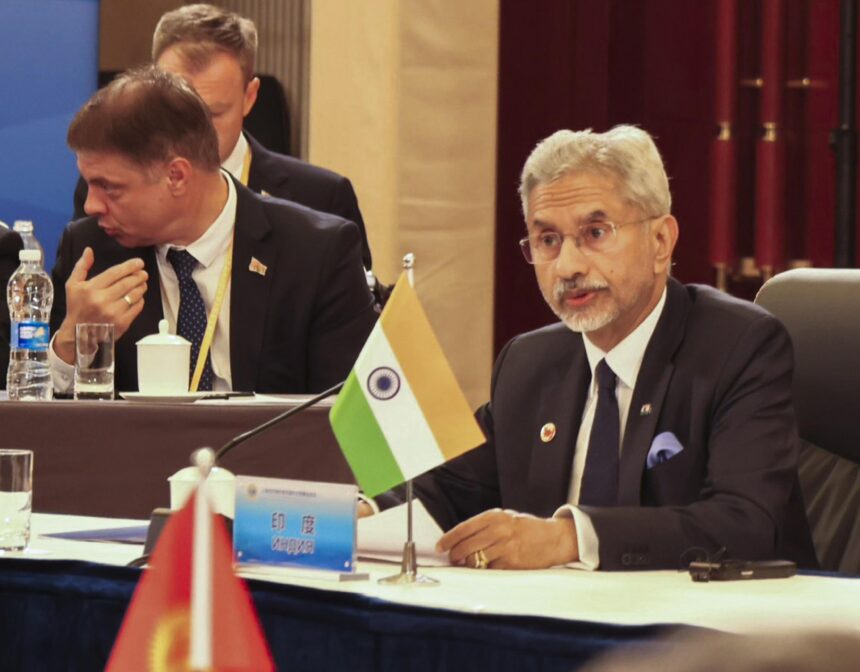
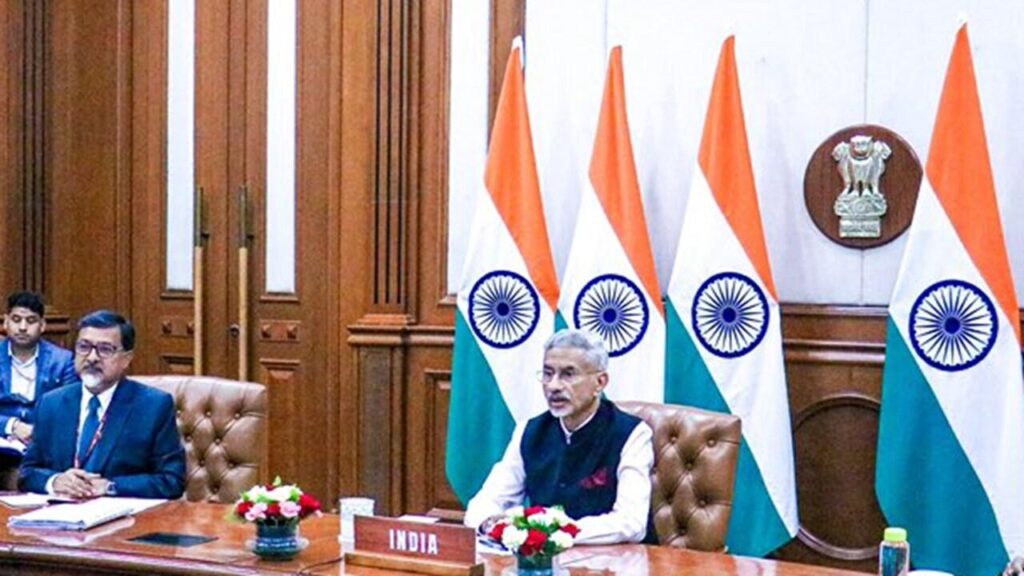
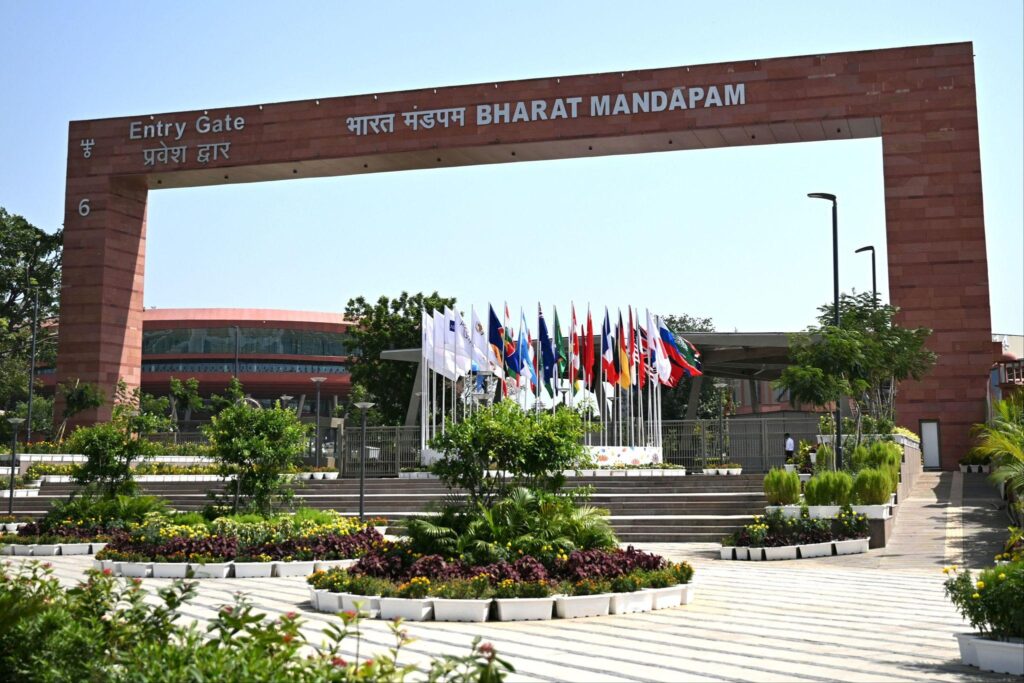
A significant meeting of BRICS foreign ministers was held in New Delhi, India. Leaders discussed major global issues, including geopolitical tensions, economic instability, the West Asia crisis, rising oil prices, and international security. Organized under India’s 2026 BRICS presidency, this meeting is an important step in strengthening Global South diplomacy.
Foreign ministers and senior representatives from BRICS member nations participated in the event. The BRICS group, originally comprising Brazil, Russia, India, China, and South Africa, has expanded with the addition of new member countries, thereby increasing its influence in global politics and economics.
Following these important developments, it’s helpful to clarify what BRICS represents.
BRICS is a group of emerging economies formed to:
- Promote economic cooperation
- Reduce dependence on Western powers.
- Strengthen the voice of developing nations.
Today, BRICS plays an increasingly important role in global trade, energy, technology, and geopolitics.
Why India’s Presidency Matters
India currently holds the BRICS presidency.
Prime Minister Narendra Modi has described India’s BRICS vision as focused on:
- “Humanity First”
- Resilience
- Innovation
- Sustainability
- International cooperation
India has emphasized people-centric development and stronger collaboration among developing nations.
India’s External Affairs Minister Subrahmanyam Jaishankar stated during the meeting that the world is currently experiencing “considerable flux in international relations.”
West Asia Crisis Dominated Discussions
One of the most significant topics discussed during the meeting was the ongoing crisis in West Asia and the tensions surrounding Iran.
Iran’s foreign minister reportedly urged BRICS countries to criticize actions taken by the United States and Israel in the region.
However, disagreements among member countries reportedly prevented the release of a joint statement at the end of the meeting.
Experts believe that:
- Differences in foreign policy
- Tensions between regional powers
- And conflicting geopolitical interests
made consensus difficult.
Concerns Over Oil Prices and Trade Routes
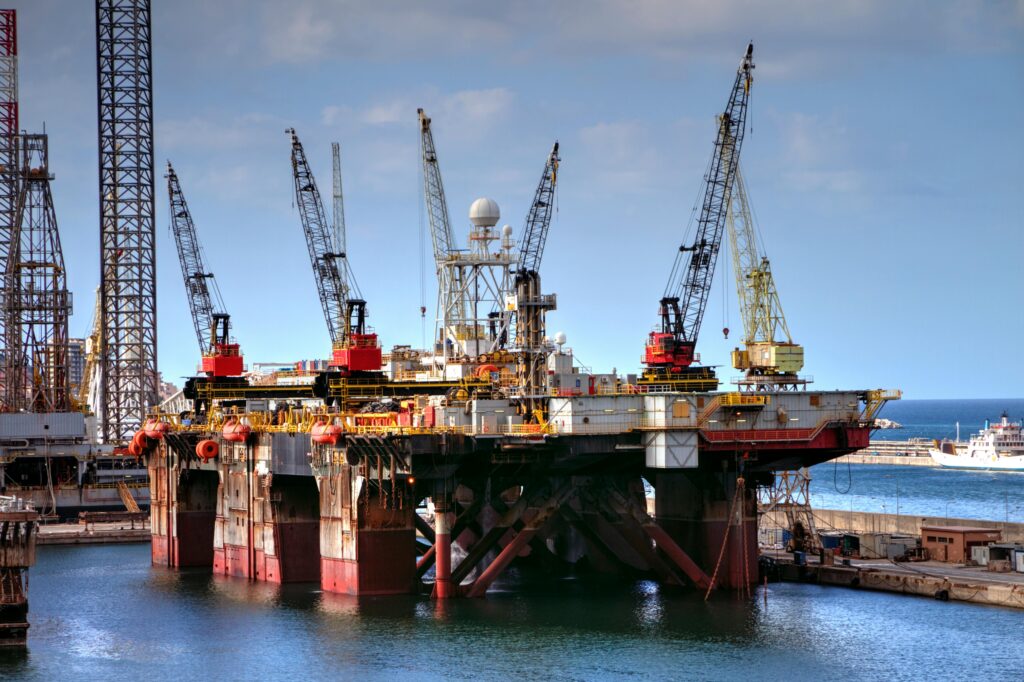
The ministers also discussed rising global oil prices and the importance of protecting international trade routes.
India stressed that maritime routes such as:
- The Strait of Hormuz
- The Red Sea shipping corridor
They are extremely important for global trade and energy supply.
Experts warn that any disruption in oil supply routes could increase inflation and economic pressure worldwide.
India Calls for UN Reforms
India once again raised the issue of reforming the United Nations system.
External Affairs Minister S. Jaishankar stated:
“The current UN structure reflects an earlier era.”
India is demanding greater representation for:
- Asia
- Africa
- Latin America
in global decision-making institutions.
Cooperation in Technology and AI
BRICS countries also discussed cooperation in:
- Artificial Intelligence
- Digital economy
- Cybersecurity
- Technology sharing
Experts believe BRICS could emerge as a strong alternative technological bloc capable of competing with Western powers in AI and digital innovation.
Climate Change and Sustainability
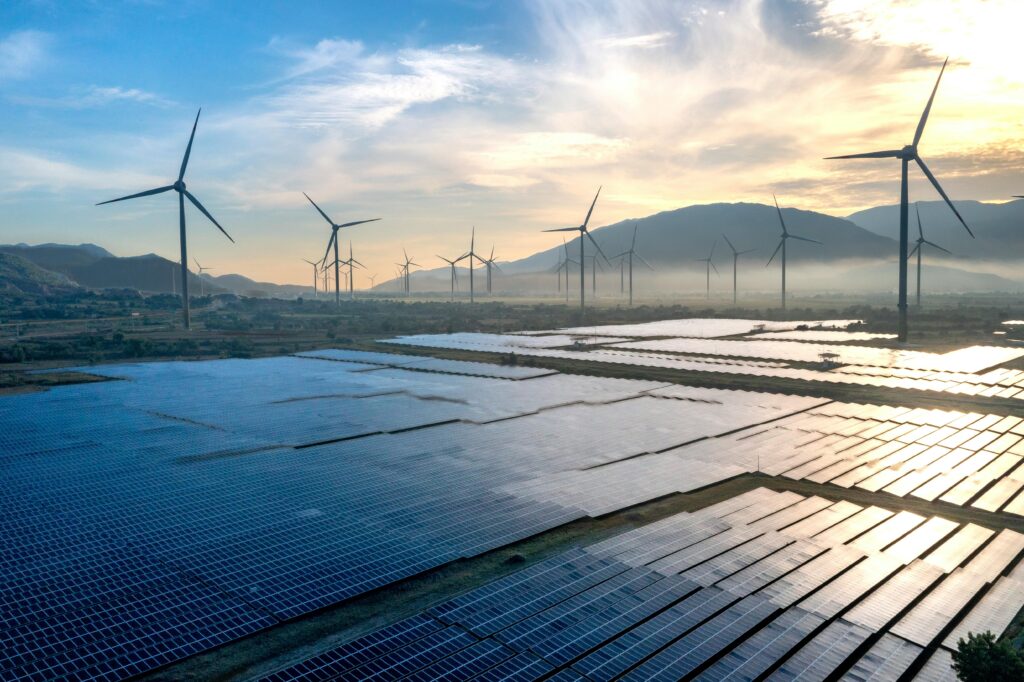
Climate change and sustainable development were also major themes during the meeting.
Member nations discussed expanding cooperation in:
- Renewable energy
- Green infrastructure
- Sustainable technologies
- Climate resilience
India emphasized the importance of balancing economic growth with environmental sustainability.
Why This Meeting Is Important
Experts believe the meeting is significant because:
- The world is moving toward a multipolar order.
- Developing nations are gaining influence.
- BRICS is emerging as an alternative global platform
India is using the BRICS platform to:
- Strengthen Global South cooperation.
- Expand economic partnerships
- Increase its diplomatic influence globally.
What Experts Say
Foreign policy analysts believe:
“BRICS is no longer just an economic group — it is becoming an important geopolitical platform.”
However, experts also point out that internal disagreements and differing strategic interests among member countries may create future challenges.
Conclusion
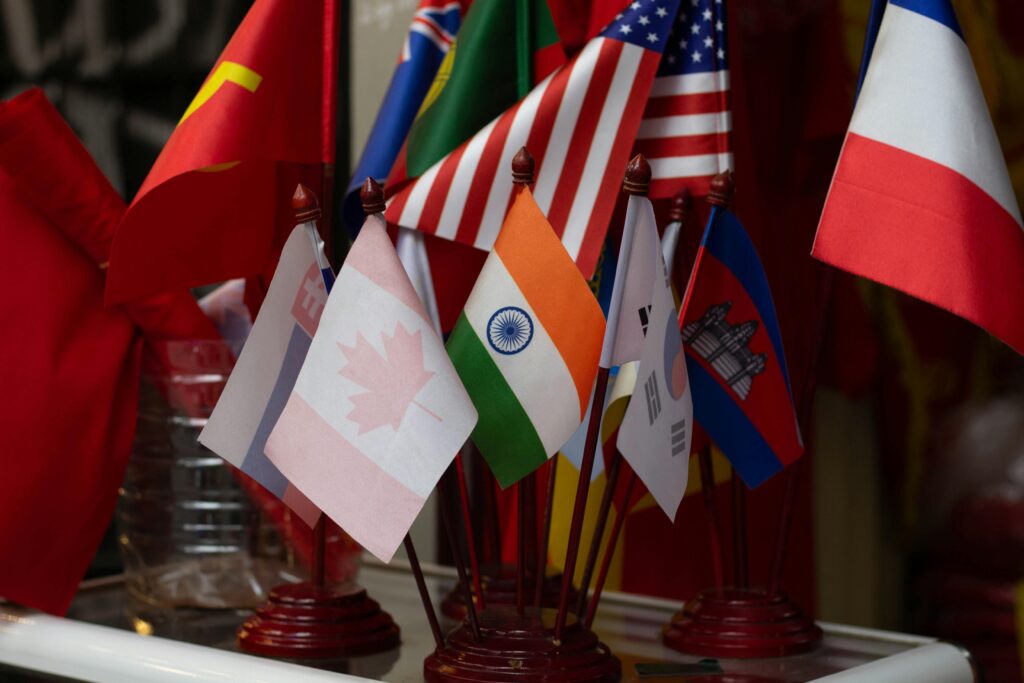
The BRICS Foreign Ministers’ Meeting in India highlighted the growing importance of emerging economies in shaping global politics and economic policies.
Although disagreements over the West Asia crisis prevented the release of a joint statement, the meeting still marked an important step toward:
- Global diplomatic cooperation
- Economic coordination
- And the development of a new multipolar world order
As geopolitical tensions and economic uncertainty continue worldwide, BRICS is increasingly positioning itself as a powerful voice for developing nations and an important force in international affairs.