
Tokyo | Special Report
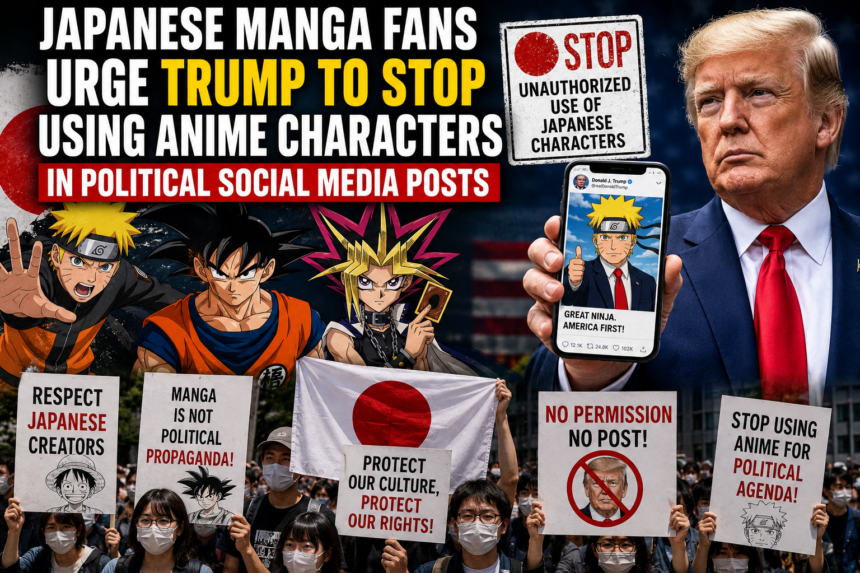
A growing controversy has emerged in Japan after manga and anime fans called on U.S. President Donald Trump to stop using Japanese anime and manga characters in his social media posts. The issue has sparked a wider debate about copyright, cultural respect, and intellectual property rights after images and videos featuring characters from popular franchises such as Naruto, Yu-Gi-Oh!, and Dragon Ball appeared in content associated with Trump and the White House.
Many Japanese fans argue that these beloved characters are an important part of Japan’s cultural identity and should not be used for political messaging without permission from their creators or rights holders. The controversy has quickly gained international attention, highlighting the growing importance of intellectual property rights in the digital age.
How the Controversy Began
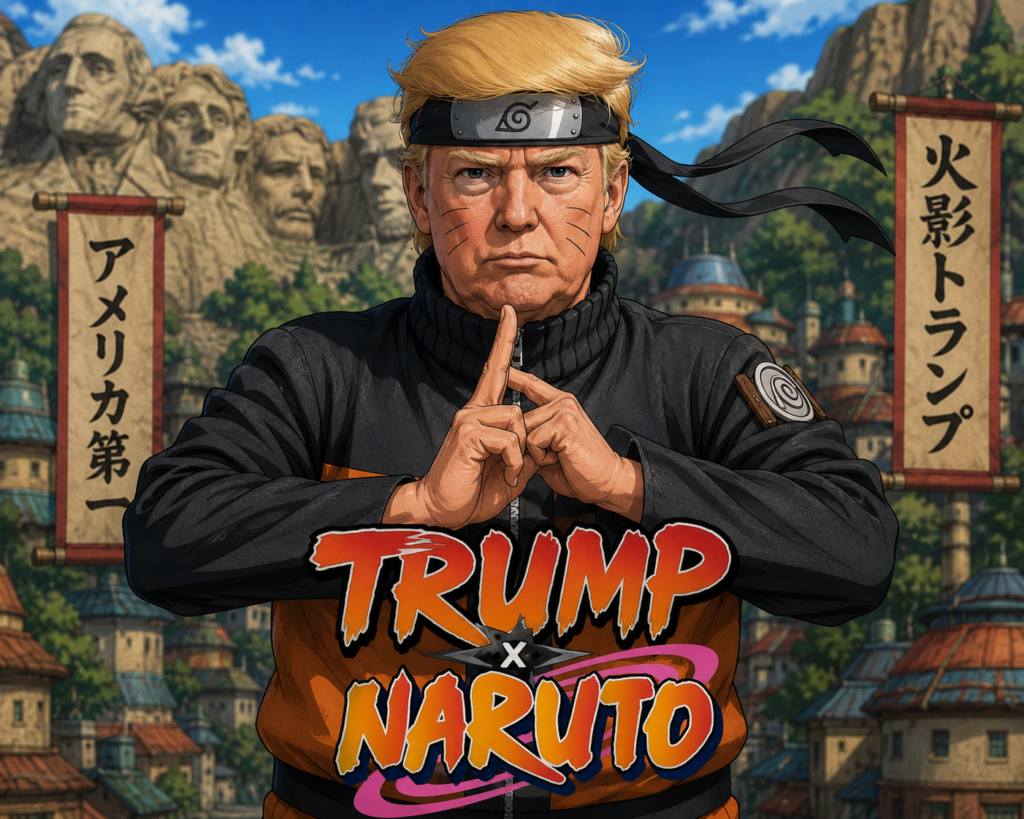
The dispute reportedly began after social media posts linked to the White House featured military-themed content combined with imagery inspired by Japanese anime. The controversy intensified when an image depicting Trump as Naruto Uzumaki, the main character from the globally popular Naruto series, circulated online.
The image quickly attracted criticism from Japanese fans, many of whom felt that a fictional character created for entertainment and storytelling was being used in a political context without proper authorization.
Social media platforms in Japan saw thousands of comments expressing concern over the use of anime characters in political communications.
Online Petition Gains Momentum
In response to the controversy, fans launched an online petition calling on Trump and U.S. officials to stop using Japanese manga and anime characters in official posts.
The petition reportedly gathered nearly 20,000 signatures within a short period. Supporters argue that creators deserve respect for their work and that copyrighted material should not be used without permission.
The organizers also urged Japanese authorities to take the matter seriously and engage with relevant stakeholders to protect the rights of creators and publishers.
Yu-Gi-Oh! Rights Holders Respond
The controversy deepened when accounts associated with the Yu-Gi-Oh! The franchise publicly stated that neither the original creator nor the production team had authorized the use of their characters in political content.
The statement fueled discussions about whether government agencies and political figures should be held to the same copyright standards as private individuals and businesses.
Legal experts noted that unauthorized use of copyrighted characters can raise important intellectual property questions, particularly when such content is distributed on official platforms.
Why Naruto Became the Center of Attention
Among all the characters involved, Naruto became the symbol of the controversy.
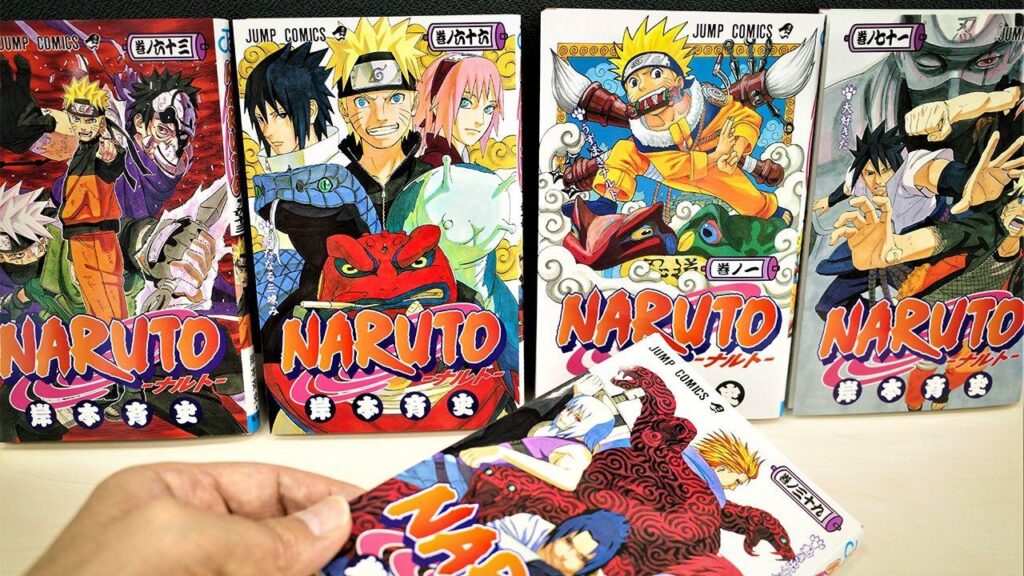
Naruto is widely regarded as one of the most influential manga and anime characters ever created. The series promotes themes such as:
- Friendship
- Determination
- Personal growth
- Overcoming adversity
Many fans argued that linking the character to political campaigns or government messaging could distort the meaning and values associated with the franchise.
Several Japanese fans stated that while parody and fan art are common in online communities, official political use of copyrighted characters is a different matter entirely.
The Importance of Manga and Anime in Japan
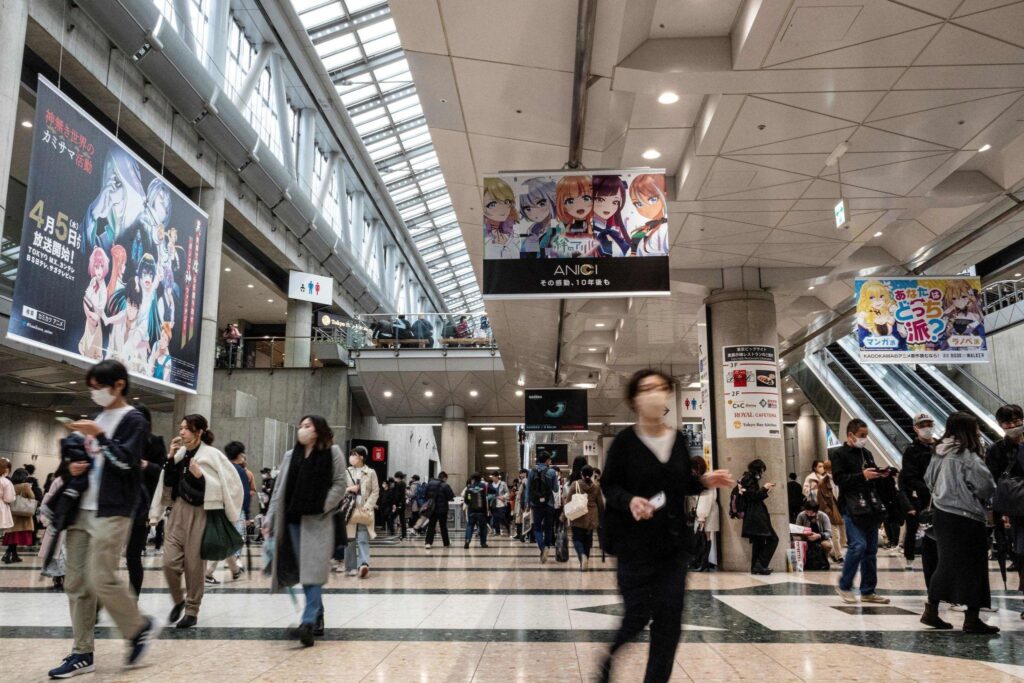
Manga and anime are not merely entertainment products in Japan; they are central elements of the country’s cultural identity and economic success.
Some of Japan’s most famous franchises include:
- Naruto
- Dragon Ball
- Yu-Gi-Oh!
These franchises have generated billions of dollars in revenue and have helped spread Japanese culture worldwide.
Anime and manga are often considered part of Japan’s “soft power,” influencing fashion, entertainment, tourism, and international perceptions of the country.
Copyright and Intellectual Property Concerns
At the heart of the debate lies the issue of copyright.
Copyright laws generally grant creators exclusive rights over how their works are reproduced, distributed, and displayed. Using protected characters without authorization may create legal complications depending on the circumstances and jurisdiction.
While no major lawsuit has been announced regarding the recent posts, intellectual property experts say the controversy serves as an important reminder of the need to respect creators’ rights in an era dominated by social media and digital communication.
Role of the Japanese Government
According to reports, concerns about the issue have reached government channels in Japan.
While Japanese officials have not issued a major public statement, reports indicate that discussions have taken place regarding the protection of Japanese intellectual property and cultural assets.
Some lawmakers and cultural organizations have also emphasized the need to strengthen protections for Japan’s creative industries as their global influence continues to expand.
Politics and Popular Culture
The controversy highlights a broader trend in modern politics: the increasing use of popular culture to engage audiences online.
Political campaigns and public figures frequently use:
- Internet memes
- Gaming references
- Pop culture symbols
- Animated characters
to reach younger audiences.
However, critics argue that using copyrighted material without permission can undermine creators’ rights and blur the line between cultural appreciation and exploitation.
What Fans Are Demanding
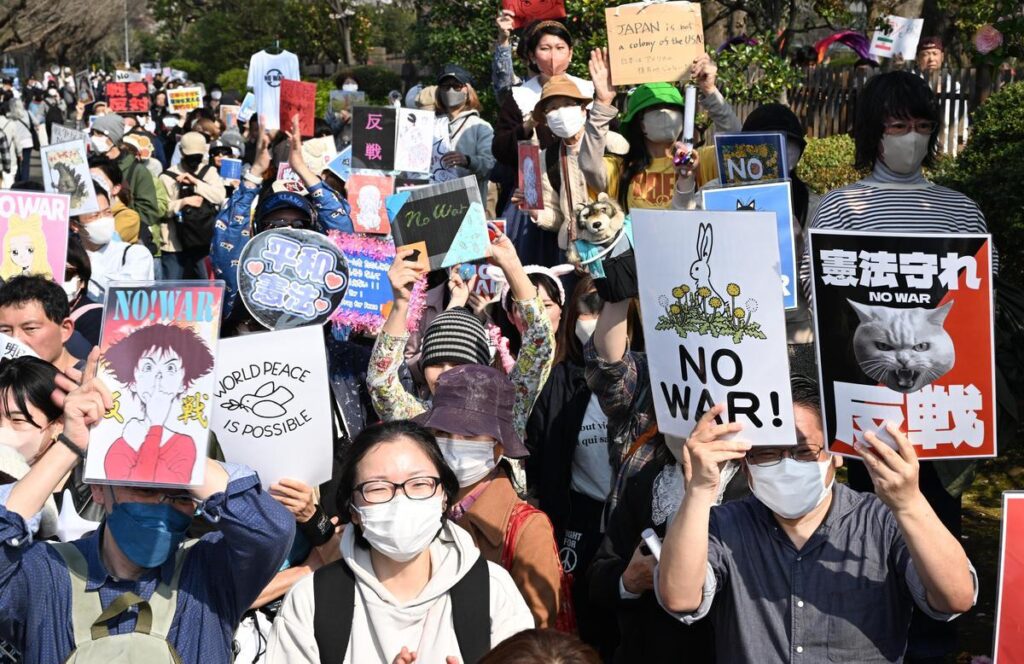
Japanese fans are calling for several measures:
- An end to unauthorized use of manga and anime characters.
- Greater respect for creators and rights holders.
- Clear guidelines for political use of copyrighted content.
- Stronger protection of Japanese intellectual property worldwide.
Supporters say the issue is not about politics but about respecting creative work and cultural heritage.
Conclusion
The dispute over Donald Trump’s use of Japanese anime and manga characters has evolved into a wider discussion about copyright, cultural respect, and intellectual property rights. With thousands of fans signing petitions and major franchises distancing themselves from the content, the controversy underscores the growing importance of protecting creative works in a globally connected digital environment.
Whether the issue results in policy changes or legal action remains uncertain, but it has already demonstrated how deeply fans value the cultural significance of manga and anime and how strongly they believe those creations should be respected.