


Government Order to Vacate Historic Club Triggers Legal, Political, and Public Discussion
Special Report | New Delhi
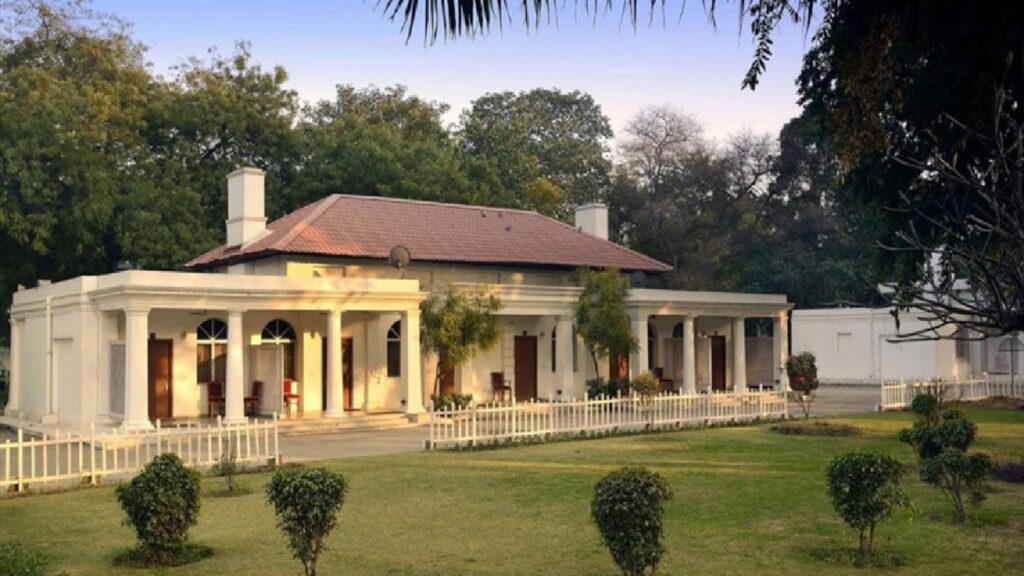
One of India’s most prestigious and historic institutions, the Delhi Gymkhana Club, has become the center of a major controversy after the Indian government ordered the club to vacate its premises in central New Delhi. The issue has sparked widespread debate involving heritage preservation, government land use, national security concerns, and the role of elite institutions in modern India.
The dispute has attracted significant attention from political leaders, legal experts, historians, and the general public, making it one of the most discussed national issues in recent weeks.
What Is Delhi Gymkhana Club?
The Delhi Gymkhana Club was established in 1913 during British colonial rule under the name “Imperial Delhi Gymkhana Club.” Over the years, it became one of India’s most exclusive private clubs.
The club is known for:
- Its historic colonial architecture
- Elite membership base
- Sporting and recreational facilities
- Cultural and social events
Membership is highly sought after, with waiting periods reportedly extending for decades. Senior bureaucrats, military officers, diplomats, business leaders, and prominent public figures have been among its members.
How Did the Controversy Begin?
In May 2026, the Government of India issued a notice directing the club to vacate the more than 27-acre property it occupies in central New Delhi.
According to government officials, the land is required for projects related to public security and national interests. Authorities argue that the site is strategically important and may be needed for future infrastructure development.
The decision immediately triggered strong reactions from club members and management.
Club Management Opposes the Move
The Delhi Gymkhana Club administration has strongly challenged the government’s decision.
Club representatives argue that:
- The institution has operated from the location for more than a century.
- Thousands of members and employees are connected to the club.
- The order provides insufficient time for relocation.
- Proper legal procedures should be followed before any action is taken.
The club subsequently approached the court seeking relief from the eviction order.
Proceedings in the Delhi High Court
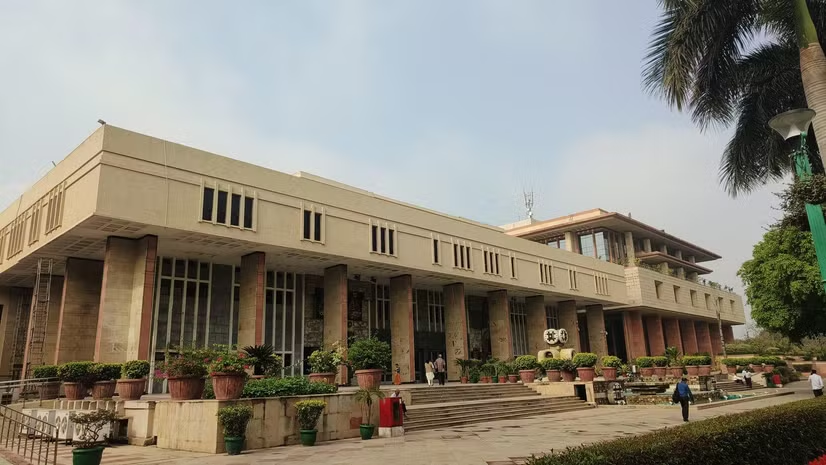
The matter reached the Delhi High Court, where the club sought immediate protection against the government’s notice.
The court did not grant an immediate stay on the order. However, the central government reportedly assured the court that no forcible takeover of the property would occur and that all actions would be conducted in accordance with legal procedures.
The case remains under judicial consideration, and further hearings are expected.
A Long-Running Dispute
Experts note that the current controversy did not emerge overnight.
Over the past several years, disputes involving the club’s administration, governance structure, and transparency have occasionally surfaced. Reports have discussed allegations of administrative irregularities and disagreements regarding the management of the institution.
These longstanding tensions are believed to have contributed to the present conflict.
Heritage vs Public Interest Debate
The controversy has triggered a broader national discussion.
Supporters of the government’s decision argue that:
- Valuable public land should serve wider national interests.
- Prime government land should not remain restricted to a limited group of members.
- Colonial-era privileges should be reassessed in modern India.
On the other hand, supporters of the club argue that:
- The institution is an important part of India’s historical heritage.
- The club represents a significant cultural landmark.
- Alternative solutions should be explored before relocation is considered.
Social Media Reactions
The issue quickly became a trending topic on social media.
Many users described the move as part of a broader effort to remove colonial-era institutions and symbols from public spaces.
Others criticized the decision, arguing that historic institutions should be preserved and protected rather than displaced.
The debate has highlighted differing opinions about history, heritage, public resources, and governance.
What Experts Say
Legal and policy experts believe the controversy raises several important questions:
1. Should Private Institutions on Public Land Be Reassessed?
Many experts argue that governments periodically review how public land is being used and whether it continues to serve broader public interests.
2. Should Historic Institutions Receive Special Protection?
Heritage conservation advocates believe that institutions with significant historical value deserve special consideration before major decisions are made.
3. How Should Governments Balance Security and Heritage?
Experts say policymakers must carefully balance national security requirements with the preservation of cultural and historical landmarks.
Why This Story Matters
The Delhi Gymkhana Club controversy is about much more than a single property dispute.
It touches on issues such as:
- Heritage conservation
- Government land management
- Public access to resources
- National security priorities
- Colonial-era institutions in modern India
The outcome of the case may influence future decisions involving other historic institutions across the country.
Conclusion
The Delhi Gymkhana Club dispute has evolved into a significant national debate involving history, law, governance, and public policy.
While the government emphasizes public interest and strategic land requirements, supporters of the club stress the importance of protecting a historic institution that has existed for more than a century.
As legal proceedings continue, the final outcome is expected to shape discussions about heritage preservation and public land use in India for years to come.