


Investors Remain Cautious as Oil Prices, Trade Concerns and Geopolitical Issues Impact Markets
International Business Report | May 11, 2026
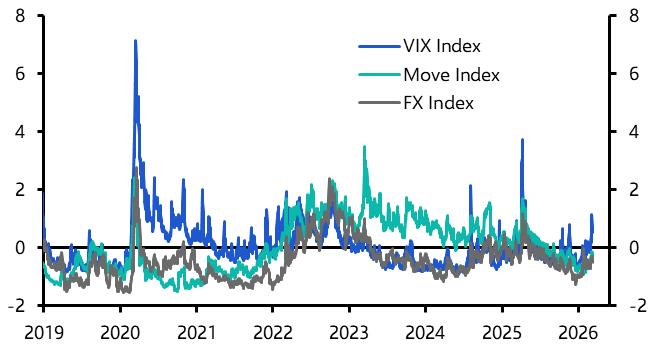
Global financial markets witnessed significant fluctuations this week as rising geopolitical tensions, changing oil prices, and economic uncertainty affected investor sentiment across major economies. Stock markets in Asia, Europe, and the United States experienced mixed trends, while investors remained cautious about the future direction of the global economy.
Economic experts say that growing international tensions involving major countries, combined with inflation concerns and slowing industrial growth, have increased pressure on financial markets worldwide. As a result, investors are closely monitoring government policies, central bank decisions, and global trade developments.
📉 Why Are Global Markets Under Pressure?
Several major factors are currently influencing international financial markets.
🌍 Geopolitical Tensions
Political and military tensions in different parts of the world, especially involving the United States, the Middle East, and China, have created uncertainty among investors. Markets generally react negatively when global stability appears uncertain because businesses and trade activities may be affected.
Recent developments in international diplomacy and security discussions have raised concerns about:
- Global trade routes
- Energy supply chains
- International investments
- Currency stability
These concerns have directly impacted stock market performance in many countries.
🛢️ Oil Prices Continue to Influence Markets
One of the biggest factors behind market volatility has been the rise in crude oil prices. Global oil prices moved upward after concerns emerged regarding supply disruptions and geopolitical instability in major oil-producing regions.
Higher oil prices often lead to:
- Increased transportation costs
- Higher inflation
- Rising manufacturing expenses
- Pressure on consumers and businesses
Countries that depend heavily on imported oil, including India, are particularly sensitive to fluctuations in global crude prices.
Experts warn that if oil prices continue to rise sharply, it could slow down economic growth in several developing economies.
📊 Stock Markets Show Mixed Trends

Major global stock exchanges experienced unstable trading sessions throughout the week.
🇺🇸 United States Markets
American markets showed volatility as investors reacted to:
- Inflation data
- Interest rate concerns
- Technology sector performance
Technology companies remained under pressure due to concerns about future growth and stricter regulations.
🇪🇺 European Markets
European markets also faced uncertainty because of:
- Energy concerns
- Weak manufacturing data
- Slow economic recovery in some regions
Several European industries are still struggling with high operational costs and reduced consumer demand.
🌏 Asian Markets
Asian stock markets witnessed mixed performance. Investors in countries like Japan, China, and India remained cautious due to:
- Export slowdown
- Currency fluctuations
- Global demand uncertainty
However, some sectors such as technology, renewable energy, and artificial intelligence continued to attract investment.
🇮🇳 Impact on the Indian Market
India’s financial market remained relatively resilient despite global uncertainty. The Indian stock market showed strength in sectors like:
- Banking
- Information Technology
- Infrastructure
- Renewable Energy
Analysts believe that strong domestic demand and government infrastructure spending are helping India maintain economic momentum.
However, experts also warn that:
- Rising oil prices
- Global inflation
- Foreign investment outflows
could create challenges in the coming months.
The Indian rupee also experienced mild fluctuations against the US dollar as international investors shifted funds toward safer global assets.
💻 Technology and AI Sectors Continue to Grow
Despite broader market uncertainty, the technology sector continues to remain one of the strongest areas of investment globally.
Companies involved in:
- Artificial Intelligence
- Cloud computing
- Semiconductor manufacturing
- Cybersecurity
- Digital services
are still attracting investor attention.
Major technology firms such as Google, Microsoft, and OpenAI continue expanding their AI capabilities, which many experts believe will shape the future global economy.
⚠️ Inflation Remains a Major Concern
Inflation continues to be one of the biggest economic concerns for governments and central banks worldwide.
Many countries are still dealing with:
- High food prices
- Expensive fuel
- Increased borrowing costs
- Slower consumer spending
Central banks may continue maintaining higher interest rates to control inflation, but higher rates can also slow business growth and investments.
This balancing act remains one of the biggest challenges for global policymakers.
🏭 Trade and Manufacturing Challenges
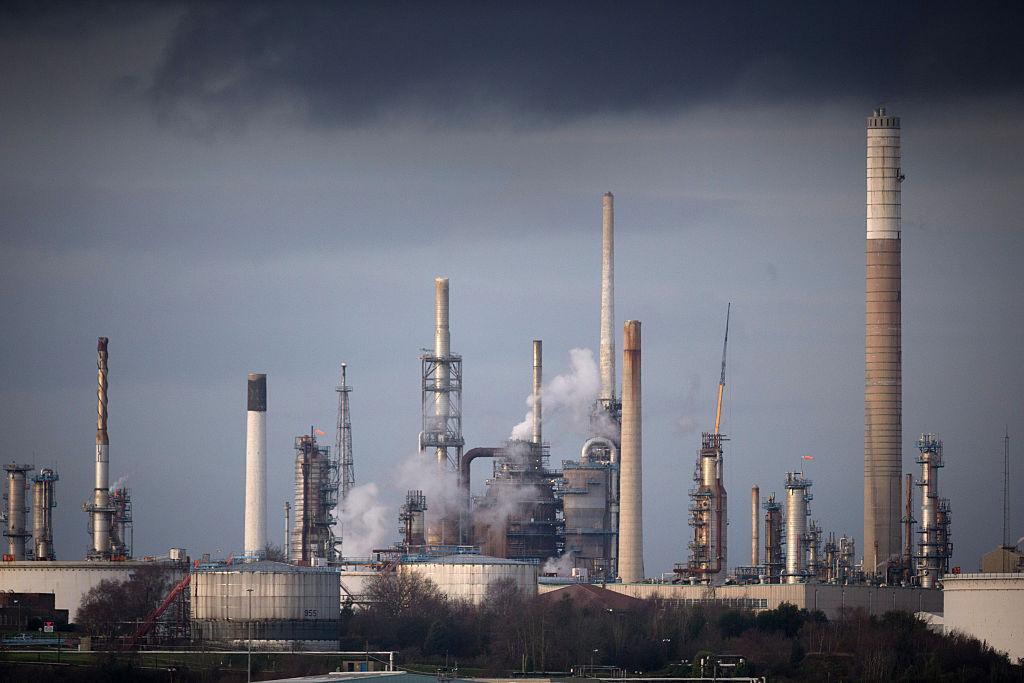
Global manufacturing activity has slowed in several regions due to:
- Weak international demand
- Rising production costs
- Supply chain disruptions
Export-driven economies are particularly concerned about slowing trade activity.
At the same time, many countries are trying to reduce dependence on foreign imports by strengthening local manufacturing industries.
This trend is changing global trade patterns and creating new economic alliances.
🌱 Renewable Energy Sector Gains Attention
Interestingly, renewable energy companies are gaining increased investor confidence despite broader market instability.
Governments around the world are investing heavily in:
- Solar energy
- Electric vehicles
- Green hydrogen
- Battery technology
Experts believe that the clean energy transition could become one of the biggest economic opportunities of the next decade.
India is also focusing heavily on green energy expansion as part of its long-term economic strategy.
🧠 What Experts Are Saying
Financial analysts believe the current market situation reflects a period of transition in the global economy.
According to experts:
- Investors are becoming more selective
- Long-term investments are shifting toward technology and sustainability
- Traditional sectors face increasing pressure from global uncertainty
Some analysts predict that short-term volatility may continue, but emerging markets like India could remain relatively stronger compared to slower Western economies.
📱 Digital Economy Continues to Expand
Even during periods of market instability, the digital economy continues to grow rapidly.
Online businesses, fintech platforms, AI services, and digital payment systems are expanding across the world. Consumers are increasingly shifting toward digital lifestyles, creating new business opportunities.
This transformation is also changing:
- Employment patterns
- Consumer behavior
- Global competition
Countries investing heavily in digital infrastructure may gain long-term economic advantages.
🌍 Global Investors Watching Future Developments
Investors are now closely monitoring:
- Central bank decisions
- Oil price movements
- International diplomatic developments
- Corporate earnings reports
Any major political or economic event in the coming weeks could significantly influence global financial markets.
Experts suggest that investors may continue adopting cautious strategies until economic conditions become more stable.
📝 Conclusion
The global financial market is currently passing through a phase of uncertainty and rapid change. Rising geopolitical tensions, fluctuating oil prices, inflation concerns, and slowing global trade are creating pressure on economies around the world.
At the same time, sectors like artificial intelligence, renewable energy, and digital technology continue to show strong growth potential, offering hope for future economic expansion.
For countries like India, maintaining economic stability while adapting to global challenges will be extremely important in the coming years. The coming months are expected to play a crucial role in determining the direction of the global economy and investor confidence worldwide.