

International Desk | Special Report
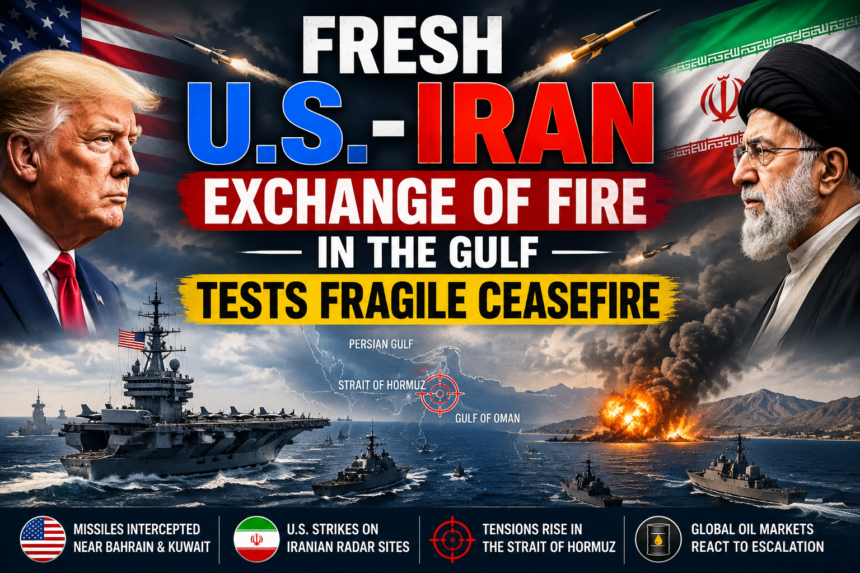
A fragile ceasefire between the United States and Iran came under renewed strain on June 7, 2026, after both sides exchanged military fire in and around the Persian Gulf. The latest escalation has raised fears that months of diplomatic efforts aimed at reducing tensions could unravel, threatening regional stability and global energy markets. Reports indicate that Iranian missiles and drones were launched toward Bahrain and Kuwait, while U.S. forces responded with strikes against Iranian military and surveillance infrastructure near the Strait of Hormuz.
The confrontation marks one of the most serious tests of the ceasefire established earlier this year following a broader conflict involving the United States, Iran, and regional allies. Although neither side has declared the ceasefire dead, analysts warn that repeated violations could push the region back toward open conflict.
How the Latest Clash Began
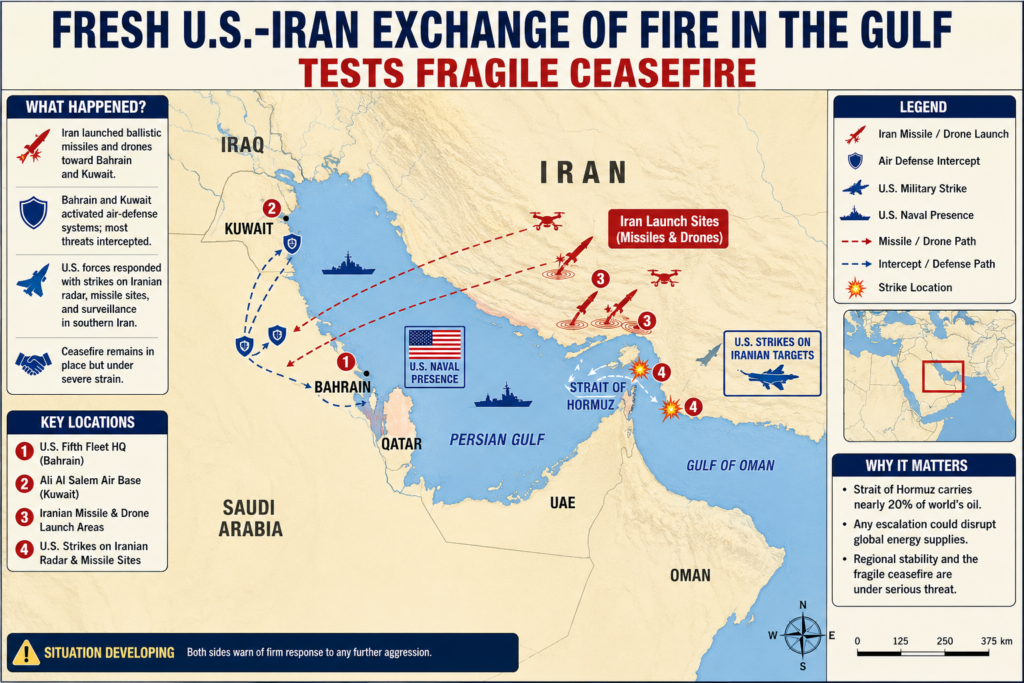
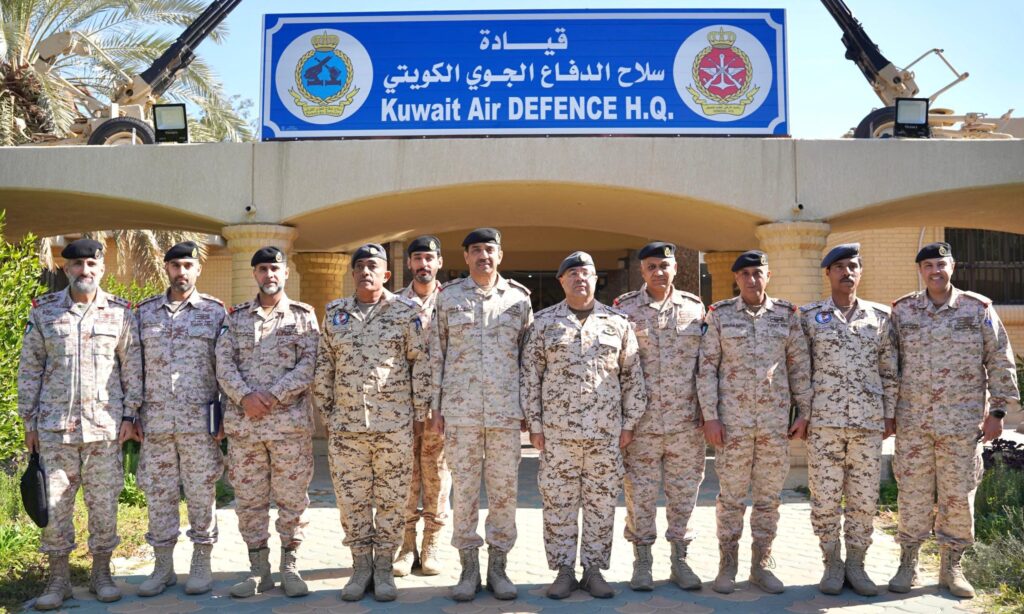
According to regional reports, Iran launched a series of ballistic missiles and armed drones toward Bahrain and Kuwait, claiming that the attacks were directed at U.S. military assets stationed in those countries. Bahraini and Kuwaiti authorities activated air-defence systems and emergency protocols as the projectiles approached their airspace.
The U.S. military stated that most of the incoming missiles and drones were intercepted before reaching their targets. American officials said the attacks represented a direct threat to U.S. personnel and regional security. In response, U.S. forces carried out what they described as “defensive strikes” against Iranian radar installations, missile-launch facilities, and surveillance systems along Iran’s southern coastline.
The exchange lasted several hours and reignited concerns about the vulnerability of Gulf states caught between Washington and Tehran.
Why Bahrain and Kuwait Matter
Bahrain and Kuwait are key strategic partners of the United States in the Gulf region.
Bahrain hosts the headquarters of the U.S. Navy’s Fifth Fleet, which plays a central role in protecting maritime routes and monitoring regional security. Kuwait, meanwhile, hosts important American military facilities and serves as a logistical hub for U.S. operations in the Middle East.
Any attack directed toward these countries immediately raises international concerns because it risks expanding the conflict beyond the United States and Iran.
Officials in both countries condemned the attacks and reaffirmed their commitment to regional security and cooperation with international partners.
The Importance of the Strait of Hormuz
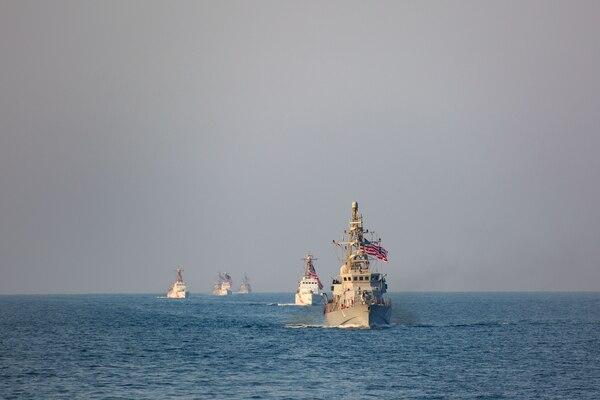
A major focus of the confrontation remains the Strait of Hormuz, one of the world’s most important shipping routes.
Nearly one-fifth of global oil and liquefied natural gas shipments traditionally pass through this narrow waterway. Any military activity in the area can immediately affect energy markets and global trade. Recent tensions have already disrupted shipping traffic and increased transportation costs.
The United States has accused Iran of threatening commercial shipping and attempting to lay naval mines in the region. Iran, meanwhile, argues that foreign military activity in the Gulf threatens its security interests.
Impact on Global Oil Markets
Financial markets reacted cautiously to the latest developments.
Oil prices rose as traders worried that further military escalation could disrupt energy supplies from the Gulf region. Investors fear that any prolonged conflict affecting the Strait of Hormuz would have immediate consequences for global fuel prices and economic stability.
Energy analysts note that even limited military exchanges can increase shipping insurance costs, delay cargo deliveries, and create uncertainty in global markets.
For major energy-importing nations such as India, China, Japan, and many European countries, stability in the Gulf remains critically important.
Diplomatic Efforts Under Pressure
The renewed fighting comes at a time when diplomatic negotiations between Washington and Tehran were already facing significant challenges.
Reports suggest that both sides remain divided over several key issues, including:
- Access to frozen Iranian assets
- Economic sanctions
- Regional security arrangements
- Nuclear-related concerns
- Maritime access through the Strait of Hormuz
While communication channels remain open, negotiators have struggled to achieve meaningful progress in recent weeks.
Several regional countries have reportedly offered to mediate in an attempt to prevent further escalation. International observers argue that sustained diplomacy remains the only realistic path toward a durable peace agreement.
Regional Security Concerns
The latest exchange of fire highlights the broader security challenges facing the Middle East.
In recent months, the region has witnessed:
- Missile attacks
- Drone strikes
- Maritime confrontations
- Air-defense interceptions
- Ongoing conflicts involving regional militias
Security experts warn that even small incidents can quickly escalate into larger confrontations involving multiple countries. The presence of military bases, strategic shipping lanes, and competing regional interests makes the Gulf one of the world’s most sensitive geopolitical regions.
Humanitarian and Economic Risks
Beyond military concerns, the conflict continues to affect ordinary people across the region.
Previous attacks have damaged infrastructure, disrupted transportation, and created uncertainty for businesses and workers. Tourism, aviation, and trade sectors have all faced challenges due to recurring security threats.
Humanitarian organizations have also expressed concern that continued instability could worsen economic hardships and place additional pressure on vulnerable populations.
International Reactions
Governments around the world have called for restraint.
The United Nations and several major powers have urged both Washington and Tehran to avoid actions that could trigger a broader regional war. Many countries have emphasized the need to protect civilian infrastructure, maintain freedom of navigation, and support diplomatic negotiations.
International markets and foreign policy analysts are closely monitoring developments, recognizing that any significant escalation could have consequences far beyond the Middle East.
What Happens Next?
The immediate future remains uncertain.
Military officials on both sides have indicated that they are prepared to respond to further threats, while diplomats continue efforts to preserve the ceasefire framework. Whether the current tensions remain limited or develop into a larger confrontation will depend largely on political decisions made in the coming days.
For now, the ceasefire technically remains in place, but its stability appears increasingly fragile.
Conclusion
The latest exchange of fire between the United States and Iran represents a significant challenge to an already fragile ceasefire. Missile launches, drone attacks, and retaliatory strikes have once again placed the Gulf region on edge, raising concerns about energy security, regional stability, and the future of diplomatic negotiations. As world leaders call for restraint, the coming days may prove crucial in determining whether the ceasefire survives—or whether the region moves closer to another major conflict.