

Investors Closely Watching Interest Rates, Inflation Outlook, and Economic Growth Signals
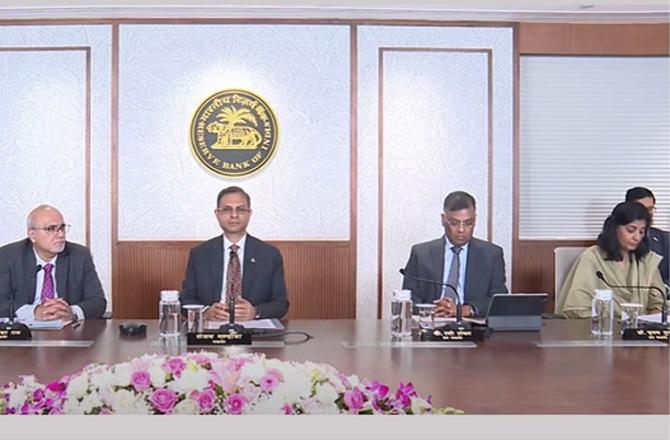
Special Report | Mumbai
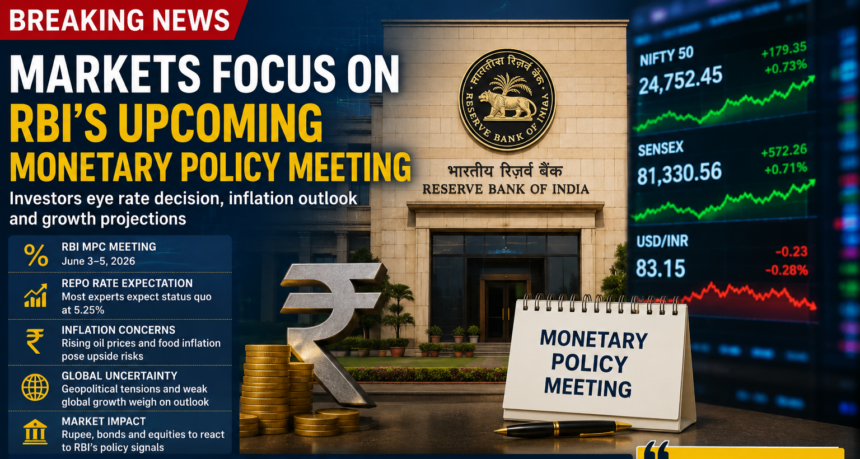
Financial markets across India are closely watching the upcoming Monetary Policy Committee (MPC) meeting of the Reserve Bank of India (RBI), scheduled from June 3 to June 5, 2026. The meeting is expected to address key issues such as interest rates, inflation trends, economic growth, and currency stability.
Economists believe this policy review comes at a crucial time as India faces a combination of global economic uncertainty, rising energy prices, inflation concerns, and evolving domestic growth conditions. Investors, businesses, and consumers are all waiting to see how the central bank responds to these challenges.
Will the RBI Change Interest Rates?
The biggest question surrounding the meeting is whether the RBI will alter the Repo Rate, the benchmark interest rate used to control inflation and support economic growth.
Most economists expect the RBI to keep the Repo Rate unchanged at 5.25 percent. According to recent market surveys, the majority of analysts believe the central bank will maintain a “status quo” approach in June while closely monitoring economic developments.
However, some experts warn that if:
- Oil prices continue rising,
- The Indian rupee weakens significantly,
- Inflation accelerates,
The RBI may be forced to consider interest rate increases later in the year.
Global Risks Influencing RBI Decisions
One of the major concerns facing policymakers is growing geopolitical uncertainty, particularly in the Middle East.
Tensions involving Iran, the United States, and energy supply routes have created volatility in global oil markets. Since India imports a large portion of its crude oil requirements, higher energy prices can directly affect inflation and economic stability.
Economists warn that sustained increases in oil prices could lead to:
- Higher transportation costs
- Increased manufacturing expenses
- Rising consumer prices
- Pressure on government finances
As a result, the RBI is expected to maintain a cautious approach.
Impact on the Rupee and Financial Markets

The Indian rupee has experienced fluctuations against the U.S. dollar in recent weeks due to global uncertainties and foreign capital movements.
Market participants believe the RBI’s policy statement could significantly influence:
- Currency markets
- Government bond yields
- Equity markets
- Foreign investment flows
A stable policy stance could help maintain investor confidence, while unexpected changes may trigger short-term market volatility.
Foreign Portfolio Investors (FPIs) are also closely monitoring the meeting, as interest rate expectations often affect investment decisions in emerging markets like India.
Inflation and Growth Forecasts in Focus
Beyond interest rates, investors are paying close attention to the RBI’s updated forecasts for inflation and economic growth.
Recent economic developments suggest that:
- Inflation risks remain elevated due to energy prices.
- Weather-related concerns could affect food production.
- Global economic uncertainty may impact exports and industrial activity.
Some analysts expect the RBI to revise its inflation forecast upward while slightly lowering its GDP growth projections for the coming months. Such adjustments would reflect the growing challenges facing both the domestic and global economy.
The central bank’s commentary on future economic conditions will likely be as important as the policy decision itself.
Understanding the Monetary Policy Committee
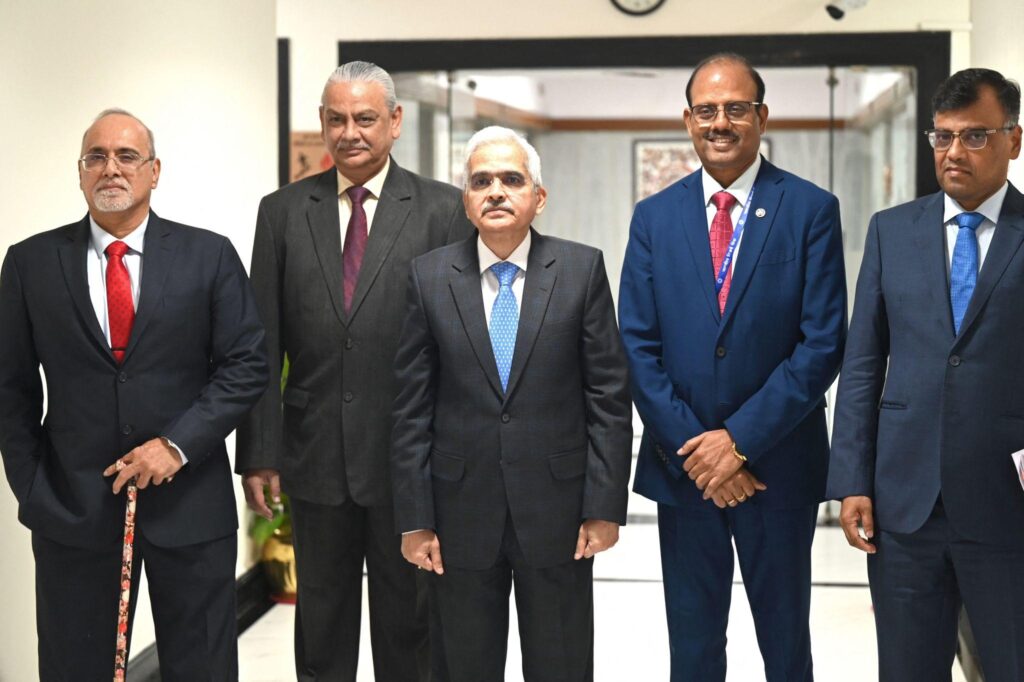
The Monetary Policy Committee (MPC) is the RBI’s key decision-making body responsible for setting interest rates and managing monetary policy.
Its primary objectives are:
- Maintaining price stability
- Controlling inflation
- Supporting sustainable economic growth
- Ensuring financial stability
The committee consists of six members, including RBI officials and government-appointed experts. It is currently chaired by RBI Governor Sanjay Malhotra.
The MPC meets regularly throughout the year to assess economic conditions and determine the appropriate monetary policy stance.
What Investors Are Expecting
Financial markets are currently expecting three major outcomes from the June meeting:
1. No Change in Repo Rate
Most analysts believe the RBI will keep borrowing costs unchanged for now.
2. A Cautious Policy Stance
The central bank is expected to maintain a balanced approach while monitoring inflation and global developments.
3. Support for Currency Stability
Investors are looking for signals that the RBI will continue supporting the rupee and ensuring adequate liquidity in the financial system.
These expectations have largely been reflected in current market pricing.
Expert Views
Economic experts generally believe the RBI is likely to adopt a “wait-and-watch” strategy.
According to analysts:
“Inflation risks remain present, but immediate rate hikes could slow economic growth. Therefore, maintaining current rates appears to be the most likely outcome.”
Many economists believe that while June may bring no change, the RBI’s future actions will depend heavily on inflation trends, global oil prices, and economic performance during the second half of 2026.
Challenges Facing the Indian Economy
The RBI’s decisions are being shaped by several ongoing challenges:
- Global geopolitical tensions
- Rising energy prices
- Weak monsoon concerns
- Inflationary pressures
- Currency volatility
- Global economic slowdown risks
Balancing these factors while maintaining economic growth will be one of the central bank’s biggest tasks in the coming months.
Conclusion
The RBI’s June 2026 Monetary Policy Meeting is one of the most anticipated economic events of the year. Investors, businesses, and policymakers are closely watching for signals on interest rates, inflation management, and the future direction of the Indian economy.
While most experts expect the central bank to leave rates unchanged, the policy statement, inflation outlook, and growth projections could significantly influence financial markets in the weeks ahead.
As global uncertainty continues and economic challenges evolve, the RBI’s decisions will play a crucial role in shaping India’s economic trajectory throughout 2026.