

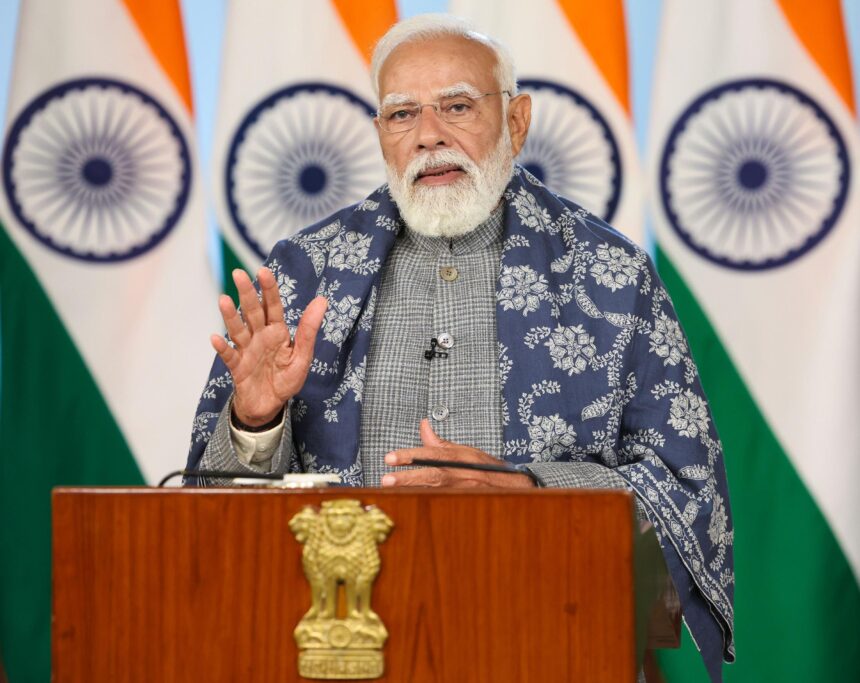
Prime Minister Appeals to Public Amid Global Economic and Energy Concerns
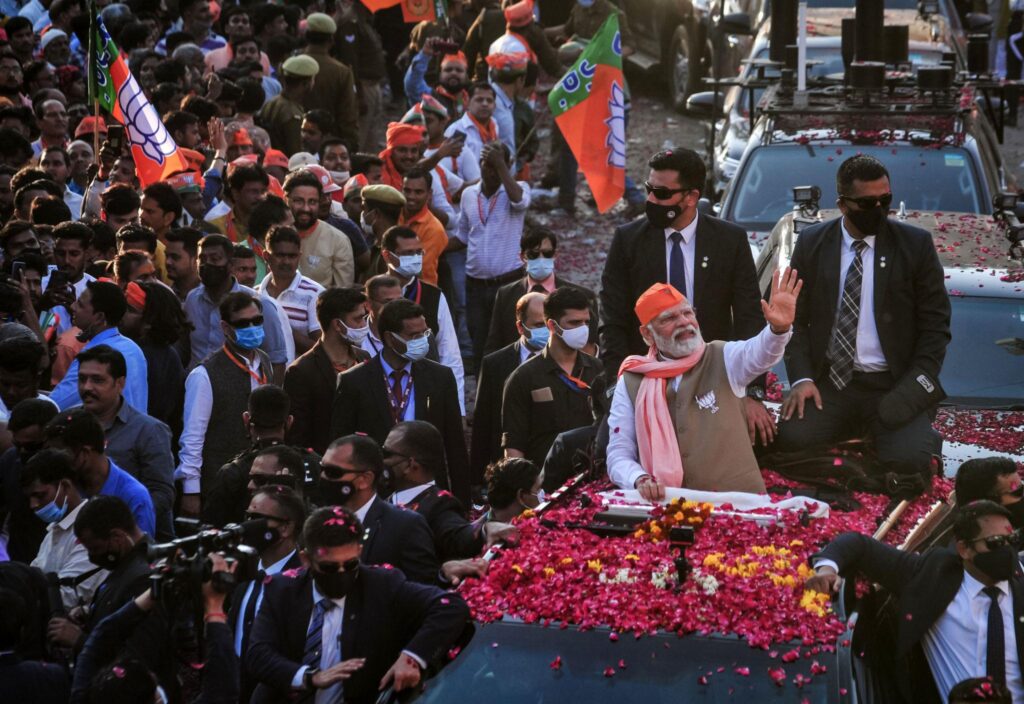
Special Report | New Delhi
Prime Minister Narendra Modi has appealed to the people of India to adopt responsible and cautious habits in response to rising global economic and energy challenges. Addressing the nation during a recent public event, the Prime Minister emphasized the importance of conserving resources and supporting the country’s economic stability during uncertain international conditions.
He urged citizens to:
- Reduce unnecessary fuel consumption.
- Use public transportation whenever possible.
- Avoid unnecessary foreign travel.
- Support local products and industries under the “Vocal for Local” initiative.
The Prime Minister stated that small efforts by citizens could collectively make a significant difference to the nation’s economy and energy security. (newsonair.gov.in)
Focus on Fuel Conservation
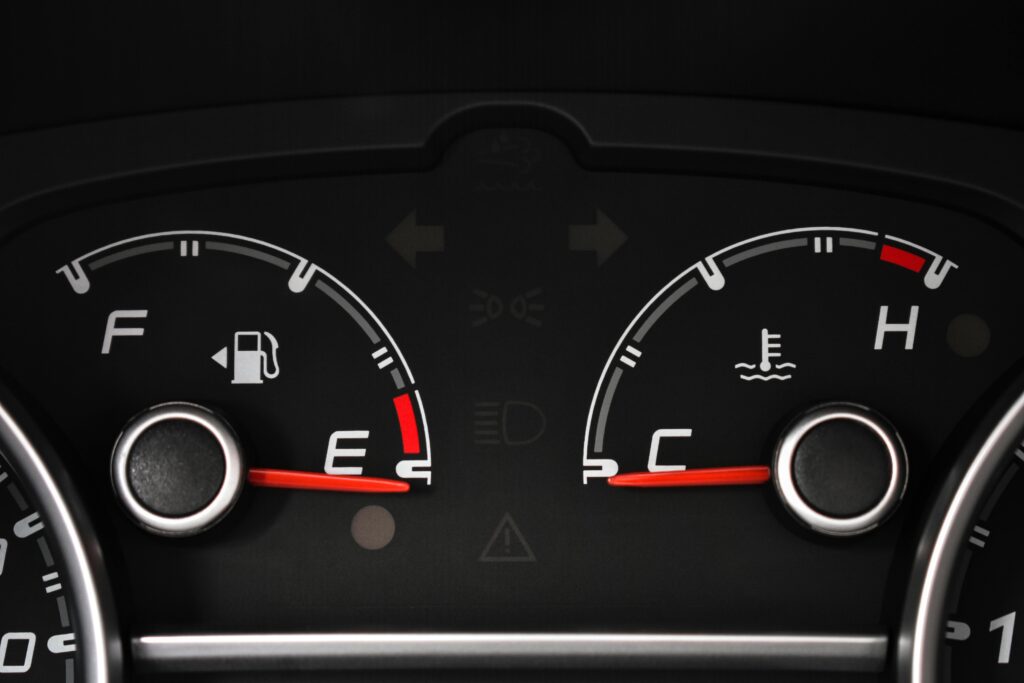
PM Modi highlighted that rising global crude oil prices and ongoing geopolitical tensions are creating pressure on energy-importing countries like India.
He encouraged people to:
- Use carpooling
- Prefer public transport
- Minimize unnecessary travel
- Save fuel wherever possible.
According to the government, India currently has stable fuel supplies; however, precautionary steps are essential to mitigate future risks and financial pressure. (newsonair.gov.in)
Impact of Global Crisis
The Prime Minister’s appeal comes at a time when tensions in West Asia and uncertainty in global oil supply chains are affecting international markets.
Economic experts warn that prolonged increases in oil prices could:
- Increase inflation
- Put pressure on foreign exchange reserves.
- Slow economic growth
Global markets are already witnessing volatility due to geopolitical instability and rising energy costs. (reuters.com)
Suggestion to Encourage Work From Home
PM Modi also suggested that some sectors could consider adopting Work-from-Home models again, wherever possible.
According to him, this could help:
- Reduce fuel usage
- Lower traffic congestion
- Decrease overall energy consumption.
Experts believe such measures could contribute to long-term energy efficiency. (newsonair.gov.in)
Appeal to Reduce Foreign Spending

The Prime Minister also urged citizens to minimize unnecessary foreign spending.
He requested people to:
- Avoid unnecessary international travel.
- Reduce excessive gold purchases.
- Give preference to Indian-made products.
He emphasized that strengthening “Atmanirbhar Bharat” (Self-Reliant India) is essential during periods of global uncertainty. (newsonair.gov.in)
Special Appeal to Farmers
PM Modi also addressed the farming community, encouraging farmers to reduce dependence on imported chemical fertilizers and adopt more sustainable agricultural practices.
He stated that this could:
- Reduce farming costs
- Protect the environment
- Improve long-term agricultural sustainability.
The government continues promoting organic farming and domestic agricultural innovation. (newsonair.gov.in)
Political Reactions
The Prime Minister’s appeal triggered mixed political reactions.
Opposition leaders argued that, along with asking citizens to save resources, the government should also address issues related to inflation and rising fuel prices more aggressively. (timesofindia.indiatimes.com)
Meanwhile, BJP leaders defended the appeal as a responsible and patriotic message during challenging global circumstances.
What Experts Say
Economic analysts believe the Prime Minister’s message is aimed at:
- Strengthening India’s energy security
- Conserving foreign exchange reserves
- Preparing the economy for possible global disruptions
Experts suggest that even small behavioral changes by millions of citizens could have a meaningful economic impact.
Public Response
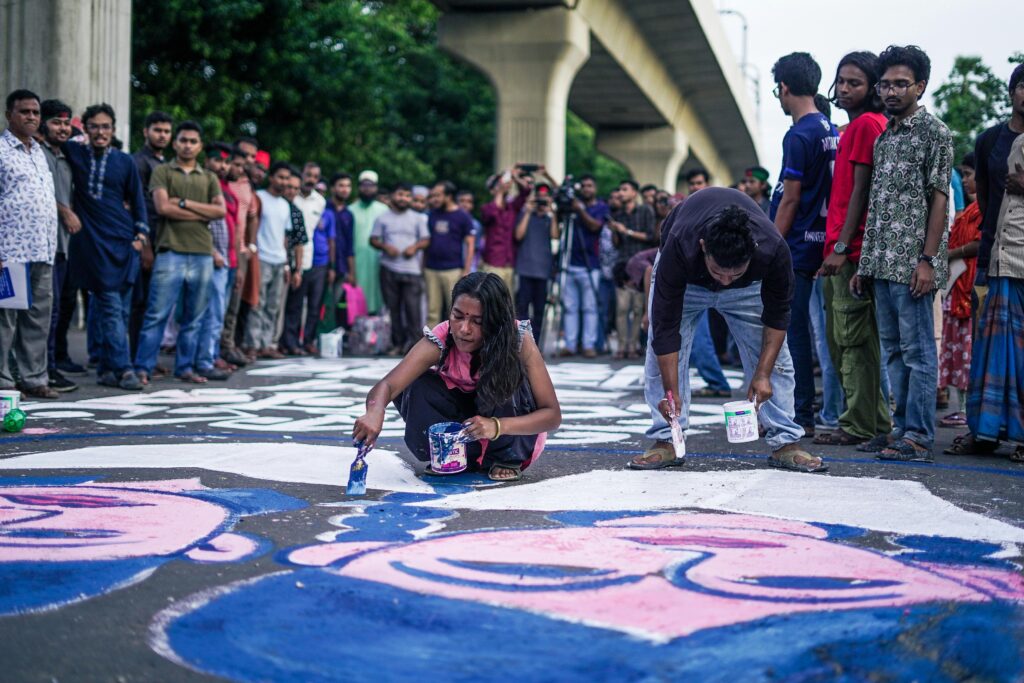
Social media reactions to the Prime Minister’s appeal have been mixed.
Many people supported:
- Public transportation
- Carpooling
- Local products and businesses
Others expressed concerns about inflation, fuel prices, and the rising cost of living.
Conclusion
Prime Minister Modi’s appeal to citizens is being viewed as more than just a call for savings—it is a broader message about national responsibility during a time of global economic uncertainty.
With rising oil prices, geopolitical tensions, and market instability affecting economies worldwide, both government action and public cooperation are likely to play an important role in maintaining economic stability.
The coming months will determine how effectively these efforts help India manage global challenges while protecting economic growth and energy security.