

Satara, Maharashtra | October 24, 2025:
A shocking incident from Maharashtra’s Satara district has sparked nationwide outrage after a young woman doctor allegedly died by suicide, leaving a chilling note on her hand accusing a police sub-inspector of raping her four times and subjecting her to months of mental and physical abuse.
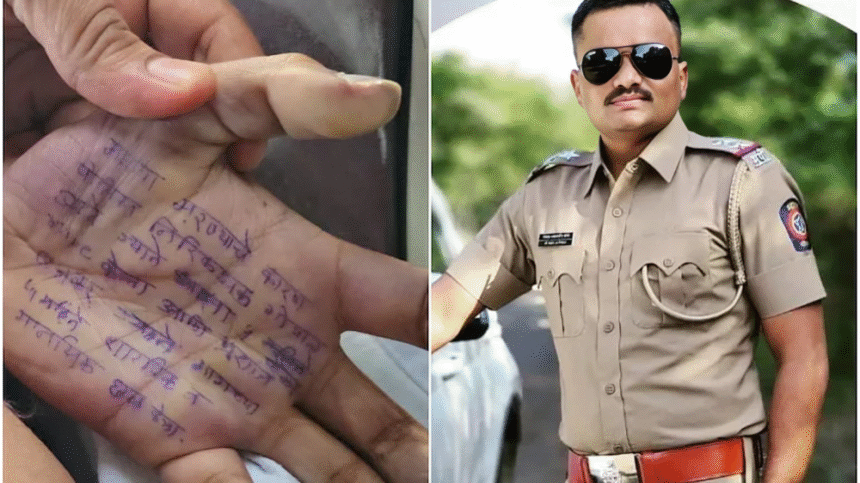
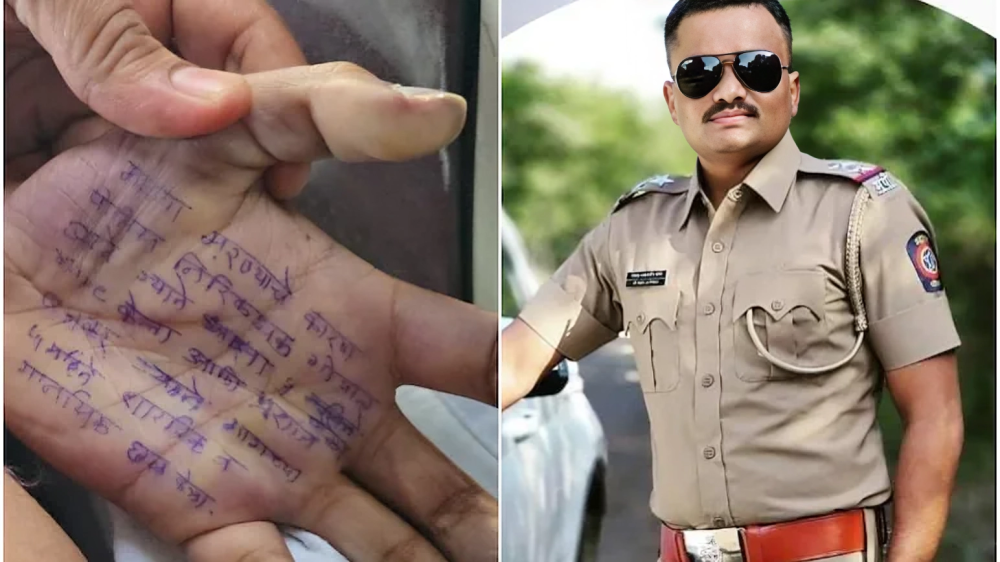
According to reports, the 28-year-old doctor was serving as a medical officer at a government hospital in Phaltan. She was found dead in a private hotel room late on Thursday night. The message inscribed on her left palm stated:
Maharashtra Woman Doctor Suicide Note Rape Case has created a nationwide uproar after a 28-year-old woman doctor from Satara allegedly died by suicide, leaving a shocking note on her hand accusing a police officer of raping her four times and harassing her for months.
“Police inspector Gopal Badne is the reason I died. He raped me four times and harassed me mentally and physically for five months.”
The note also named another individual, Prashant Bankar, accusing him of prolonged harassment and psychological abuse.Doctor’s Suicide
Previous Complaints Ignored
The doctor had earlier lodged a written complaint on June 19 2025 with the Deputy Superintendent of Police, naming Sub-Inspector Gopal Badne, SDPO Patil, and API Ladputre, alleging misconduct and harassment.
Despite her complaint, no concrete action was taken against the accused officers, according to her family.
Her cousin told NDTV that she was also being pressured to prepare false medical and post-mortem reports at the behest of the accused officers. He claimed that she was “threatened repeatedly” and that “she had no support from her superiors.”Doctor’s Suicide
Family’s Shocking Allegations
Family members alleged that the deceased doctor, who hailed from Beed district, had been working under political and police pressure. Her cousin said:
“She was the only resident medical officer Doctor’s Suicide at the hospital. She was harassed constantly and forced to sign false reports. When she resisted, they threatened and abused her.”
They demanded strict action against the officers who ignored her earlier complaints and called for a CBI-level investigation into her death.
Police Action and Government Response
Following massive public outrage and protests from local women’s groups, Sub-Inspector Gopal Badne has been suspended. The Maharashtra government ordered a special investigation team (SIT) to probe the case.
A case has been registered under Sections 376 (rape) and Doctor’s Suicide 306 (abetment of suicide) of the Indian Penal Code. Police have also seized CCTV footage and sent the victim’s handwriting and palm markings for forensic verification.
Maharashtra Deputy Chief Minister Devendra Fadnavis stated that the case will be handled “with utmost seriousness” and that no one, regardless of rank, will be spared if found guilty.
Meanwhile, the Maharashtra State Commission for Women has issued a notice to the Satara Police Superintendent, asking for an explanation on why no preventive action was taken after her earlier complaint. Chairperson Rupali Chakankar confirmed that the Commission is Doctor’s Suicide monitoring the case closely.
(Reference: India Today)
Political Reactions and Public Outrage
The tragic case has taken a political turn, with the Doctor’s Suicide Opposition attacking the ruling government.
Leader of Opposition Vijay Wadettiwar said:
“When the protector becomes the predator, how will people trust the police? The government must act immediately against those responsible — both the accused and those who ignored her plea.”
Women’s rights groups across Maharashtra have demanded stronger laws and better workplace protection for women doctors and frontline workers.
Systemic Failure and Institutional Silence
The case highlights deep-rooted flaws in India’s institutional Doctor’s Suicide accountability mechanisms. Despite her documented complaint, there was no immediate investigation, allowing the alleged perpetrator to continue working within the same jurisdiction.
Legal experts have called it a failure of due process, emphasizing that internal complaints by women professionals — especially in government service — are often dismissed or delayed.
Human rights lawyer Ankita Deshmukh told Times of India:
“This case is not just about one woman. It’s about systemic rot — where power is misused and complaints are buried under bureaucracy and influence.”
What Happens Next
The investigation is ongoing. Police have formed three dedicated teams to locate both accused individuals. One of them is reportedly absconding.Doctor’s Suicide
Authorities have also launched a departmental inquiry into why her Doctor’s Suicide June complaint wasn’t acted upon. Forensic experts are analyzing:
- The handwriting on her palm,
- The ink used, and
- Other evidence found at the hotel room.
The government has promised a transparent investigation and to submit a preliminary report within 15 days.
Broader Impact and Public Discussion
This incident has reignited debate about sexual harassment in the workplace, abuse of authority, and the vulnerability of women in government services. Doctor’s Suicide
Social media platforms like X (formerly Twitter) and Instagram are flooded with the hashtag #JusticeForSataraDoctor, with citizens demanding strict punishment for the accused officers.
Mental-health experts have also stressed that victims of workplace harassment often feel trapped and isolated, and that accessible psychological and legal support systems are crucial to prevent such tragedies.
Conclusion
The suicide of the young doctor from Satara stands as a grim reminder of the dangers women face when institutional power is abused. Her note — etched on her own hand — is not just an accusation; it’s a desperate cry for justice from within a system that failed to protect her.Doctor’s SuicideThe suicide Doctor’s Suicide of the young doctor from Satara stands as a grim reminder of the dangers women face when institutional power is abused. Her note — etched on her own hand — is not just an accusation; it’s a desperate cry for justice from within a system that failed to protect her.
Unless meaningful reform is implemented — from fast-track courts for workplace sexual harassment cases to independent complaint redressal systems — tragedies like this may continue.
Authorities, activists, and citizens now look toward swift justice, hoping her death will not be in vain but instead spark lasting change across Maharashtra and beyond.Doctor’s Suicide
🔗 External Links
- NDTV – Full Report on the Case
- India Today – Doctor’s Suicide Note Details
- Times of India – Political Reactions and Probe
🔗 Internal Links (for your website)
- Women Safety in India: Challenges & Reforms
- Maharashtra Crime Updates
- Mental Health Helplines in India