
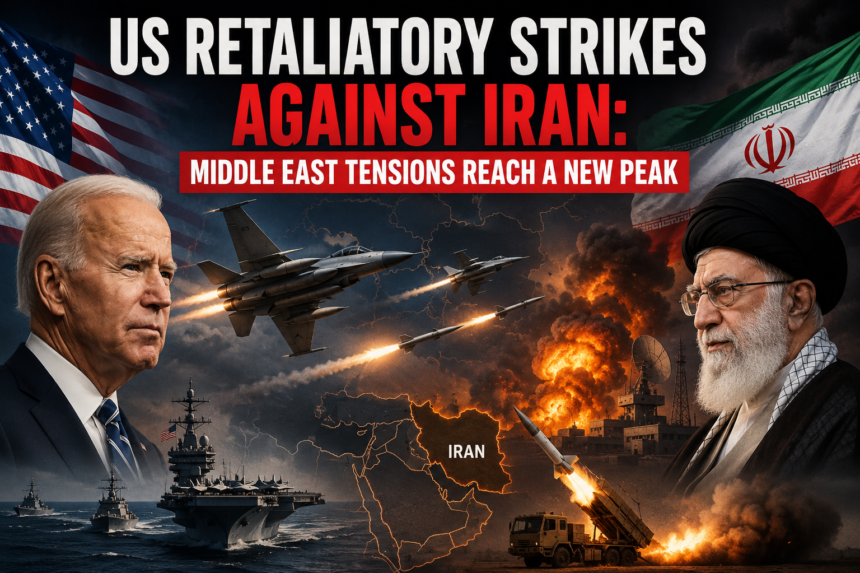
The Middle East has once again become the center of global attention after the United States launched retaliatory military strikes against Iran following the downing of a U.S. Apache helicopter near the Strait of Hormuz. The latest exchange of attacks has significantly escalated tensions between Washington and Tehran, raising fears of a broader regional conflict that could affect global security, energy supplies, and international diplomacy.
Background of the Conflict
Relations between the United States and Iran have remained strained for decades, with disputes over Iran’s nuclear program, regional influence, and support for armed groups across the Middle East. In recent months, tensions increased dramatically amid the ongoing 2026 Iran conflict involving Iran, the United States, Israel, and several regional actors.
The latest crisis began when a U.S. Apache helicopter was reportedly shot down near the Strait of Hormuz, one of the world’s most important maritime routes for oil transportation. American officials blamed Iranian forces for the incident, describing it as a direct attack on U.S. military assets operating in the region.
The U.S. Response
In response, the United States launched precision airstrikes targeting Iranian radar installations, air-defense systems, and military command facilities. According to reports, U.S. fighter jets used advanced precision-guided munitions during operations that lasted several hours. American officials described the attacks as a “proportionate response” designed to reduce Iran’s military capabilities and deter future attacks against U.S. personnel.
The Pentagon stated that the strikes were focused on military infrastructure and were not intended to target civilian populations. However, the operation marked one of the most significant direct military actions between the two countries in recent years
Iran quickly responded to the U.S. attacks. Iranian military and Revolutionary Guard officials announced retaliatory missile and drone strikes against several American and allied facilities across the Gulf region. Reports indicated that U.S. bases in Jordan, Kuwait, Bahrain, and other strategic locations were targeted as part of Tehran’s response.
Iranian leaders claimed the retaliatory attacks were necessary to defend national sovereignty and send a message that foreign military actions against Iran would not go unanswered. The Iranian government also accused Washington of undermining regional stability and violating international law.
Strategic Importance of the Strait of Hormuz
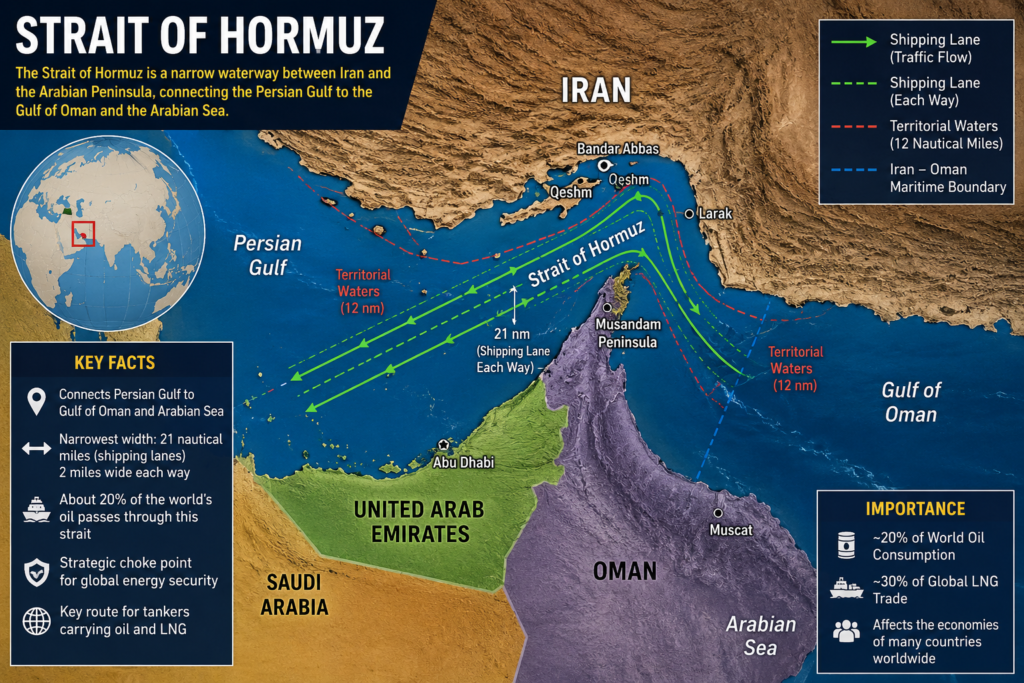
The Strait of Hormuz remains a critical factor in the conflict. Located between Iran and the Arabian Peninsula, the narrow waterway handles a substantial portion of global oil shipments. Any disruption in this region can have immediate consequences for international energy markets.
Military analysts believe that control of the Strait serves as one of Iran’s strongest strategic tools. By threatening maritime traffic, Tehran can exert pressure on global markets and increase the costs of military confrontation for its adversaries.
Impact on Global Oil Markets
The renewed hostilities have already affected financial markets. Oil prices rose as investors worried about possible disruptions to energy supplies from the Gulf region. Market analysts noted that increased military activity near critical shipping routes creates uncertainty for global trade and energy security.
Stock markets across several Gulf countries showed mixed performances, reflecting concerns among investors about the possibility of a prolonged conflict. Economists warn that continued escalation could lead to higher fuel prices worldwide and place additional pressure on economies already facing inflationary challenges.
International Reactions
The international community has responded with concern. Several governments called for restraint and urged both sides to avoid actions that could trigger a larger war. Diplomatic efforts aimed at reducing tensions have become increasingly complicated due to the latest military exchanges.
European allies, Australia, and other partner nations have also expressed concerns about regional security while simultaneously condemning alleged Iranian-linked hostile activities abroad. Many world leaders are emphasizing the importance of diplomacy to prevent the conflict from spreading further across the Middle East.
Peace Talks Under Threat
Before the latest escalation, there were hopes that diplomatic negotiations could help ease tensions between Iran and the United States. However, following the retaliatory strikes, Iranian officials indicated they would reassess their participation in ongoing peace discussions. This development has raised doubts about the future of negotiations.
U.S. officials have maintained that diplomatic channels remain open, but they also warned that further attacks against American personnel or facilities could result in additional military action. Vice President JD Vance stated that any comprehensive agreement could still take weeks or months to achieve.
Humanitarian Concerns
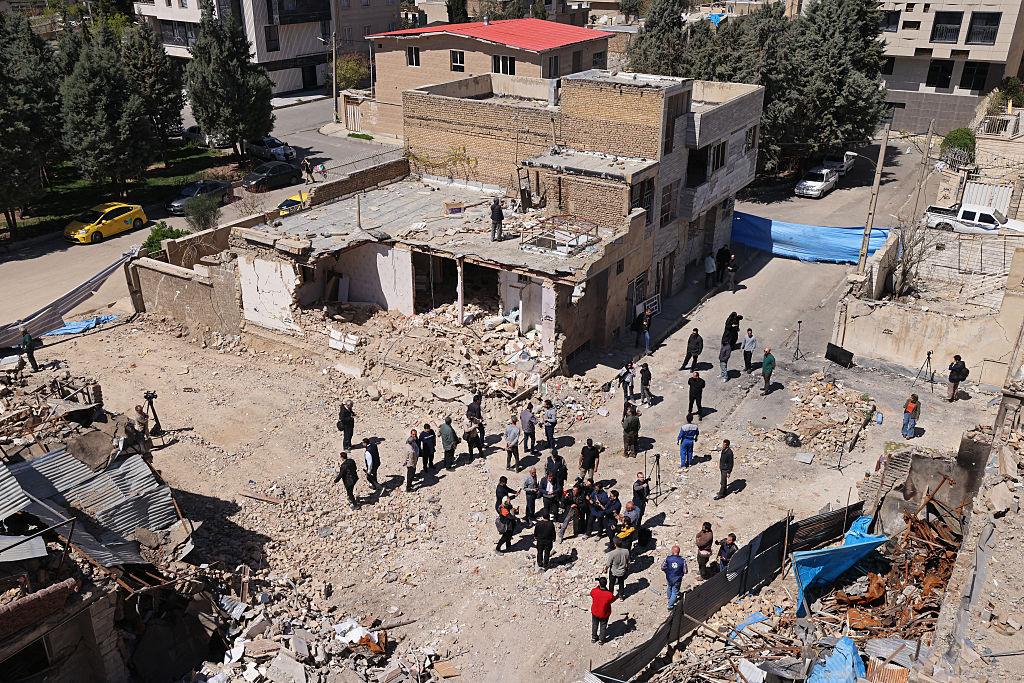
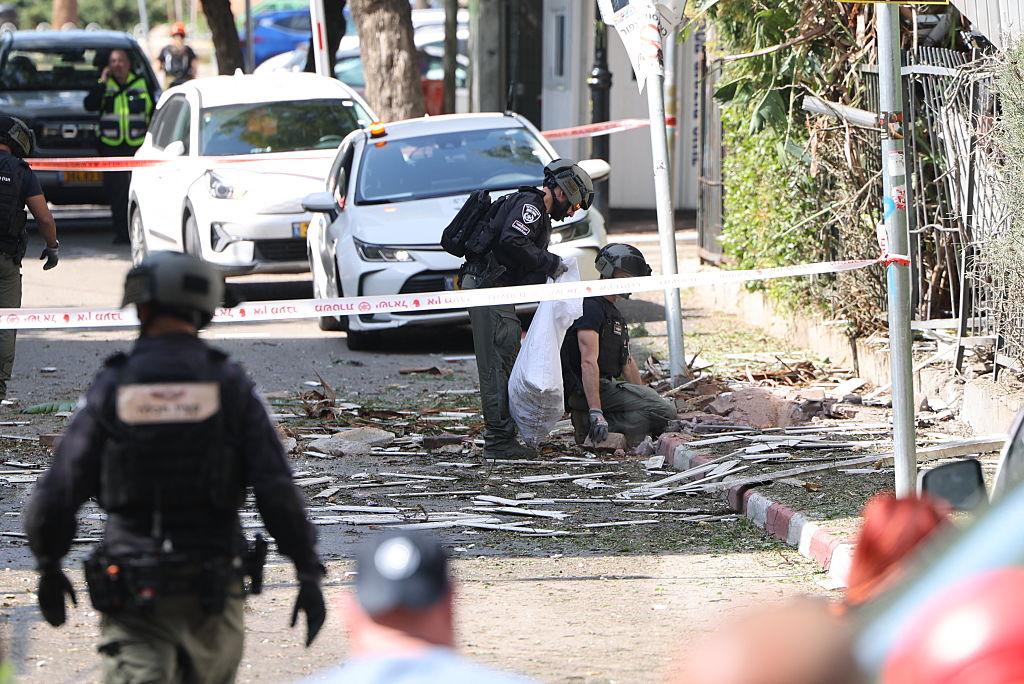
Beyond military and political consequences, humanitarian organizations are increasingly worried about the impact of continued fighting on civilians. Images emerging from affected areas show damaged buildings, destroyed infrastructure, and displaced families. The risk of civilian casualties grows as military operations expand across populated regions.
Aid agencies have called for measures to protect non-combatants and ensure access to humanitarian assistance. Any prolonged conflict could worsen existing humanitarian challenges in the region and create additional refugee pressures on neighboring countries.
What Happens Next?
Military experts warn that the current cycle of retaliation could continue if neither side chooses de-escalation. Iran has vowed to respond forcefully to future attacks, while the United States has signaled its willingness to conduct further strikes if necessary. This creates a dangerous environment where even a limited incident could trigger a broader confrontation.
The coming days will be critical in determining whether diplomatic efforts can contain the crisis or whether the Middle East moves closer to a wider regional war. The conflict not only affects the countries directly involved but also carries significant implications for global energy security, international trade, and geopolitical stability.
The U.S. retaliatory strikes against Iran represent one of the most serious escalations in Middle Eastern tensions in recent years. Triggered by the downing of an American helicopter, the military exchange has led to retaliatory attacks, increased uncertainty in global markets, and renewed fears of a larger regional conflict. While diplomatic channels remain open, the situation remains highly volatile, and the international community continues to watch developments with growing concern.