

New Delhi | Special Report
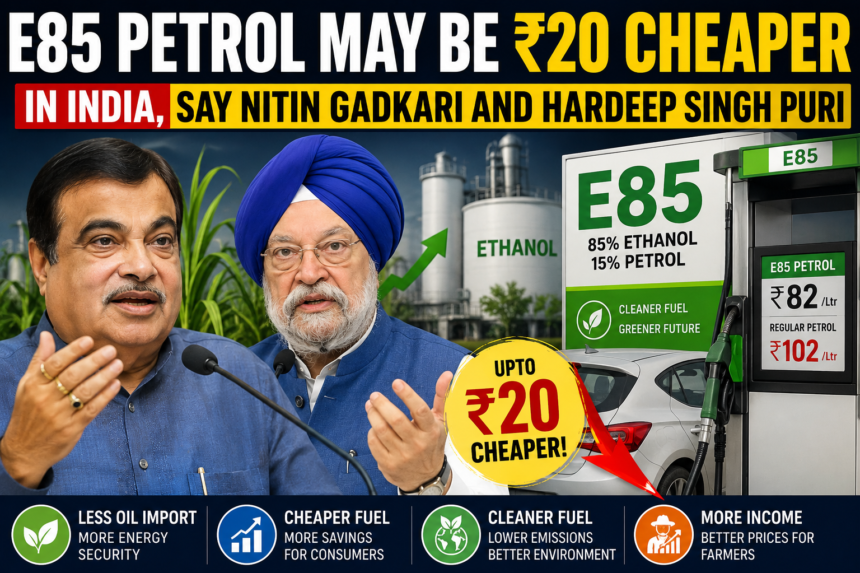
India is taking another major step toward cleaner, cheaper, and more sustainable transportation as Union Minister for Road Transport and Highways Nitin Gadkari and Union Minister for Petroleum and Natural Gas Hardeep Singh Puri strongly endorsed ethanol-blended fuel and indicated that E85 petrol could soon become widely available at affordable prices.
The announcement marks a significant milestone in India’s effort to reduce dependence on imported crude oil, support farmers, and lower carbon emissions. The government believes that expanding the use of ethanol-based fuels can transform India’s energy sector while making fuel more economical for consumers.
What Is E85 Fuel?
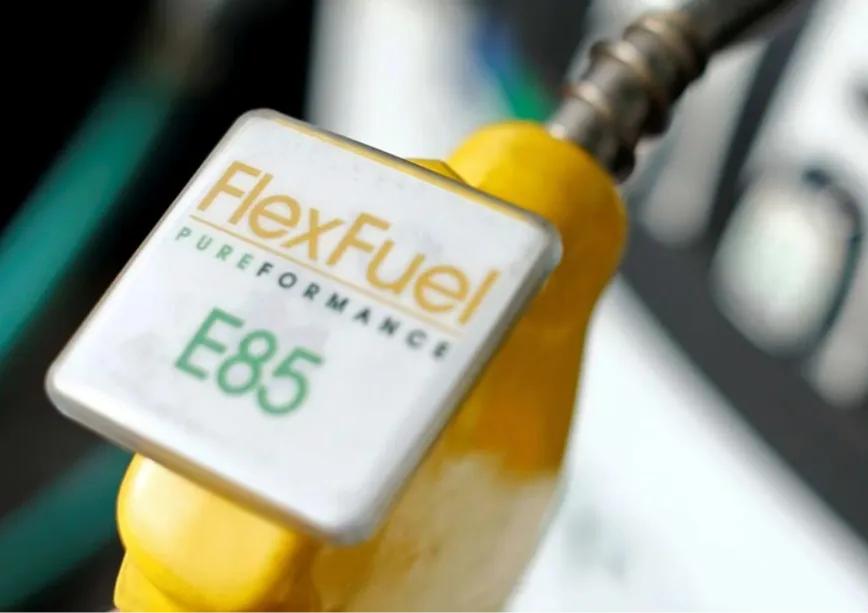
E85 is a fuel blend that contains:
- 85% Ethanol
- 15% Petrol
Unlike conventional petrol, ethanol is produced from agricultural feedstocks such as sugarcane, corn, and other biomass sources.
India currently uses E20 fuel, which contains 20% ethanol and 80% petrol. The government’s latest push toward E85 represents a major leap in the country’s biofuel strategy.
Experts say E85 can help reduce fossil fuel consumption while promoting renewable energy alternatives.
Why Is the Government Promoting E85?
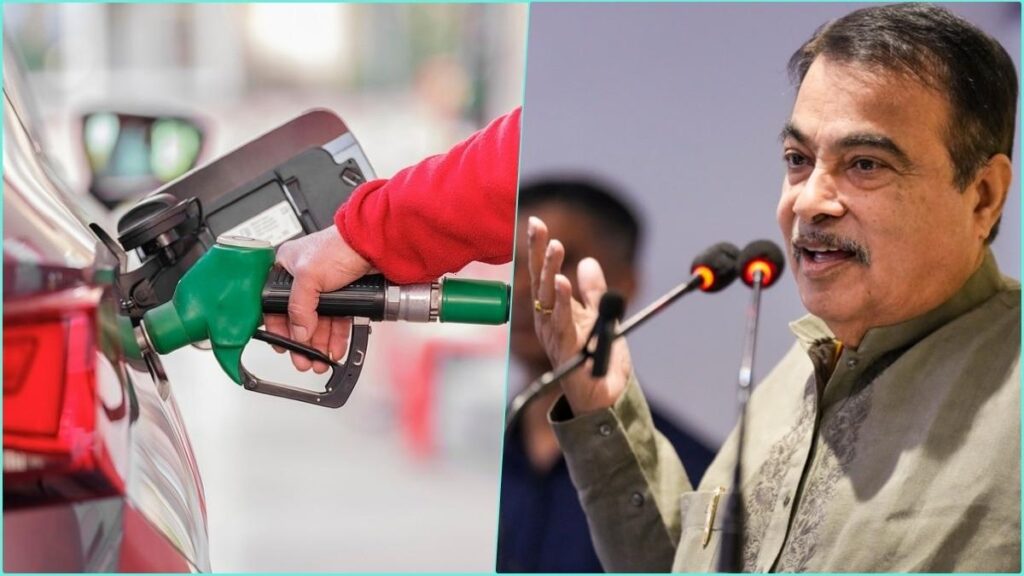
India imports more than 80% of its crude oil requirements, making the country vulnerable to global oil price fluctuations and geopolitical tensions.
According to policymakers, increasing ethanol usage can provide several benefits:
1. Reduced Oil Imports
Greater ethanol blending means lower consumption of imported crude oil, helping save billions of dollars in foreign exchange.
2. Better Energy Security
Producing fuel domestically makes India less dependent on international oil markets.
3. Environmental Benefits
Ethanol burns cleaner than petrol and can significantly reduce carbon emissions.
4. Increased Farmer Income
Demand for sugarcane, maize, and other ethanol-producing crops can create new revenue opportunities for farmers.
E85 Could Be Much Cheaper Than Petrol
One of the biggest highlights of the proposal is the potential price advantage.
Petroleum Minister Hardeep Singh Puri suggested that E85 fuel could be sold at a substantial discount compared to regular petrol. Early reports indicate that E85 may cost approximately ₹20 per litre less than conventional petrol.
For example:
- Regular petrol: Around ₹102 per litre
- E85 fuel: Around ₹82 per litre
This price difference could encourage consumers to switch to ethanol-compatible vehicles, especially if fuel savings become significant over time.
For Indian households facing rising transportation costs, affordable E85 fuel could become an attractive alternative.
Nitin Gadkari’s Vision for Ethanol
Nitin Gadkari has long been one of the strongest advocates of ethanol-based transportation.
Over the years, he has repeatedly emphasized that India should move beyond E20 and gradually transition toward:
- E85
- E100 (100% Ethanol)
According to Gadkari, ethanol can become a game-changing fuel for India because it supports both economic growth and environmental sustainability.
He believes that widespread adoption of ethanol fuel can:
- Strengthen rural economies
- Increase agricultural demand
- Reduce pollution
- Lower fuel import bills
- Promote energy independence
Gadkari has also encouraged automobile manufacturers to develop more Flex-Fuel Vehicles capable of running on higher ethanol blends.
What Are Flex-Fuel Vehicles?

A Flex-Fuel Vehicle (FFV) is specially designed to operate on different combinations of petrol and ethanol.
These vehicles can run on:
- Petrol
- E20
- E85
- E100
FFVs contain modified fuel systems, sensors, and engine components that can safely handle higher ethanol concentrations.
Without these modifications, standard petrol vehicles may experience performance and durability issues if fueled with E85.
Therefore, expanding E85 adoption will require a parallel increase in Flex-Fuel Vehicle production.
Automobile Industry Responds
India’s automotive sector is already preparing for the transition.
Several manufacturers have announced investments in Flex-Fuel technology.
Recent developments include:
- Flex-Fuel motorcycles
- Ethanol-compatible passenger vehicles
- New engine technologies designed for higher ethanol blends
Industry experts believe that Flex-Fuel Vehicles could become increasingly common in India over the next five years.
Automakers see ethanol fuel as an important bridge between conventional petrol vehicles and fully electric transportation.
Expansion of E85 Fuel Stations
Fuel availability is essential for the success of E85.
The government has outlined ambitious plans to expand ethanol fuel infrastructure across the country.
Proposed targets include:
- Hundreds of dedicated ethanol fuel stations by the end of 2026
- Thousands of stations within the next few years
Major metropolitan areas such as:
- Delhi
- Mumbai
- Pune
- Bengaluru
- Nagpur
are expected to be among the first locations to receive widespread E85 fuel availability.
A strong fueling network will be critical for consumer confidence and large-scale adoption.
Environmental Advantages
One of the strongest arguments in favor of ethanol fuel is its environmental impact.
Compared to traditional petrol, ethanol-based fuels can help reduce:
- Carbon dioxide emissions
- Greenhouse gases
- Dependence on fossil fuels
As countries around the world work toward climate goals, renewable fuels like ethanol are gaining increasing attention.
India’s ethanol strategy aligns with its broader commitment to cleaner energy and sustainable development.
Experts note that while electric vehicles remain an important long-term solution, ethanol can provide immediate environmental benefits using existing vehicle technologies.
Benefits for Indian Farmers
The ethanol program is also being viewed as a major opportunity for India’s agricultural sector.
Ethanol production relies heavily on crops such as:
- Sugarcane
- Maize (Corn)
- Damaged food grains
- Agricultural biomass
As demand for ethanol grows, farmers may benefit from:
- Better crop prices
- Increased market opportunities
- More stable income streams
Government officials have repeatedly emphasized that the ethanol economy can create a direct connection between agriculture and energy production.
This could strengthen rural development while reducing reliance on imported fuels.
Challenges Ahead
Despite its promise, E85 adoption faces several challenges.
Vehicle Compatibility
Most existing petrol vehicles cannot safely operate on E85 without modifications.
Infrastructure Development
Fuel stations need new storage and distribution systems for ethanol blends.
Fuel Efficiency
Ethanol contains less energy per litre than petrol, meaning some vehicles may experience slightly lower mileage.
Consumer Awareness
Many drivers are still unfamiliar with Flex-Fuel technology and ethanol-based fuels.
Addressing these challenges will require cooperation between government agencies, fuel companies, vehicle manufacturers, and consumers.
The Future of Ethanol in India
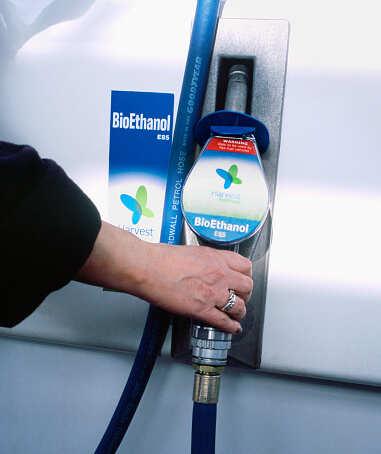
India’s ethanol blending program has already achieved significant progress over the past few years.
The government’s long-term vision includes:
- Higher ethanol blending percentages
- Greater Flex-Fuel Vehicle adoption
- Reduced oil imports
- Cleaner transportation systems
If E85 becomes widely available and affordable, it could become one of the most important fuel transitions in India’s modern history.
Conclusion
The strong endorsement of ethanol-blended fuel by Nitin Gadkari and Hardeep Singh Puri signals a major shift in India’s energy and transportation strategy. The possibility of E85 petrol being significantly cheaper than conventional fuel has generated considerable interest among consumers, automakers, and industry experts.
If implemented successfully, E85 could help India achieve multiple goals at once—lower fuel costs, reduced oil imports, cleaner air, stronger rural economies, and greater energy independence. While challenges remain, the government’s commitment suggests that ethanol-based transportation may soon become a mainstream reality across the country.