

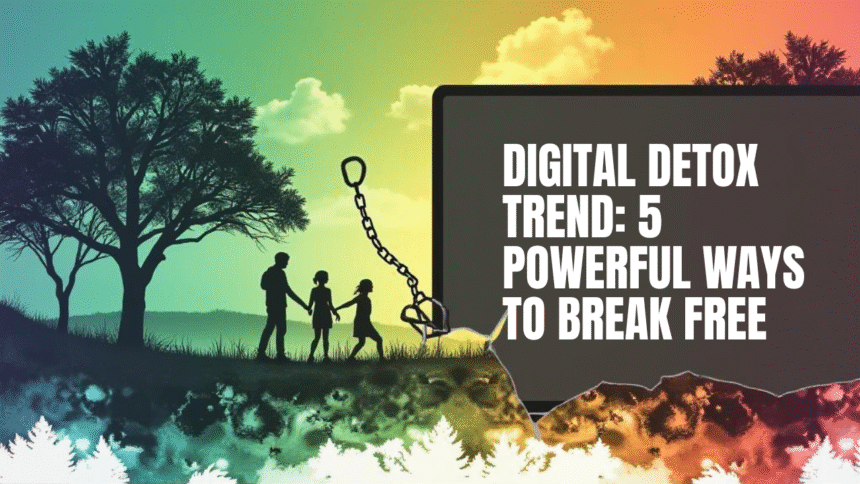
In an age where our lives are seamlessly intertwined with technology, the constant ping of notifications and the glow of screens have become the backdrop of our existence. This hyper-connectivity, however, comes at a cost: increased anxiety, fractured attention spans, and a nagging feeling of being constantly “on.” This is where the powerful practice of a digital detox comes in. A digital detox isn’t about abandoning technology forever; it’s a conscious and proactive effort to reduce screen time to reclaim your mental space, improve real-world connections, and enhance your overall well-being. If you’re feeling the weight of digital fatigue, you’re not alone. This guide will walk you through five powerful and practical ways to implement a successful digital detox and break free from screen addiction.

Table of Contents
- Understanding the “Why” Behind Your Digital Detox
- 5 Powerful Strategies for Your Digital Detox
- The Life-Changing Benefits of a Digital Detox
- Conclusion: Your Journey to Digital Mindfulness
- Frequently Asked Questions (FAQs)
Understanding the “Why” Behind Your Digital Detox
Before diving into the “how,” it’s crucial to understand your “why.” What is motivating you to step back? Are you experiencing:
- Sleep disturbances from late-night scrolling?
- Difficulty concentrating on a single task?
- “Phantom Vibration Syndrome”—thinking your phone buzzed when it didn’t?
- Feelings of anxiety or FOMO (Fear Of Missing Out) when you’re away from social media?
A study by the American Psychological Association has linked high social media use to increased feelings of loneliness and depression (Source: APA, Stress in America™ Survey). Recognizing these negative impacts is the first step toward positive change. A digital detox is essentially a form of mindfulness, allowing you to take back control of your time and attention.
5 Powerful Strategies for Your Digital Detox
2.1. Start Small with Designated “No-Phone Zones”
Trying to go cold turkey can lead to failure. Instead, start by creating physical boundaries. Designate specific areas in your life as phone-free.
- The Bedroom: Charge your phone outside the bedroom. This improves sleep quality by eliminating blue light exposure and the temptation to check notifications.
- The Dinner Table: Make meals a time for conversation with family or friends, not for scrolling.
- The Bathroom: This is a simple way to reclaim a few minutes of mental quiet each day.
These small wins build the momentum needed for larger changes and make the digital detox process feel manageable.
2.2. Schedule Your Scrolling with a “Tech Curfew”
Our devices are designed to be addictive. Fight back by putting yourself in control of when you use them. Set a strict “tech curfew” for one hour before you plan to sleep. Use this time to read a physical book, meditate, journal, or listen to calming music. Most smartphones now have built-in “Focus Mode” or “Digital Wellbeing” settings that can automatically block apps after a certain time. By scheduling your screen time, you transition from passive consumption to intentional use.
2.3. Declutter Your Digital Space
Just as a cluttered room causes stress, a cluttered phone can contribute to digital anxiety. Conduct a ruthless cleanup:
- Delete apps you haven’t used in the last month.
- Turn off non-essential notifications for all but the most important apps (like messages from family).
- Organize your home screen. Keep only essential tools (maps, calendar) on the first page and move social media apps into folders, making them harder to access mindlessly.
This reduces the constant stream of interruptions and minimizes triggers for compulsive checking. For more on creating a peaceful home environment, check out our guide on [creating a minimalist lifestyle at home].
2.4. Reclaim Your Hobbies and Embrace Boredom
Often, we reach for our phones out of boredom. A successful digital detox involves replacing screen time with fulfilling offline activities. What did you enjoy before the smartphone era?
- Rediscover reading, painting, playing an instrument, or cooking.
- Go for a walk without your phone (or with it on airplane mode just for music).
- Embrace moments of boredom. They are often when creativity strikes and your mind gets a chance to rest.
2.5. The Grand Detox: A 24-Hour Digital Sabbath
Once you’re comfortable with the previous steps, challenge yourself to a 24-hour digital detox over a weekend. This means no phones, no computers, no tablets (unless for an essential call). Inform friends and family beforehand. Use this day to:
- Connect with nature.
- Engage in deep, uninterrupted conversations.
- Tackle a project you’ve been putting off.
- Simply be present.
You’ll be amazed at how long a day feels and how refreshed your mind is afterward. This can be a monthly reset to maintain digital balance.
3. The Life-Changing Benefits of a Digital Detox
Committing to a digital detox can yield profound benefits:
- Improved Mental Health: Reduced anxiety, less FOMO, and a greater sense of calm.
- Enhanced Sleep: Falling asleep faster and experiencing deeper sleep without blue light interference.
- Better Relationships: More meaningful, face-to-face interactions without the distraction of a device.
- Increased Productivity: A sharper focus that allows you to complete tasks more efficiently.
- Rediscovered Joy: Finding pleasure in the simple, offline moments of life.
4. Conclusion: Your Journey to Digital Mindfulness
A digital detox is not a one-time event but an ongoing practice of mindfulness. It’s about creating a healthier relationship with technology, where you are the master, not the device. By starting small, setting boundaries, and rediscovering the world beyond the screen, you can break free from screen addiction. The goal is balance, not deprivation. Choose one strategy from this list and start today. Your mind—and your loved ones—will thank you for it.
5. Frequently Asked Questions (FAQs)
Q1: How long should a digital detox last?
There’s no one-size-fits-all answer. It can be a 24-hour period, a weekend, or even just a daily practice of setting boundaries. The best digital detox is one that is sustainable for you. Start with a manageable goal and extend it as you feel comfortable.
Q2: I need my phone for work. How can I do a digital detox?
The key is segmentation. Use app timers to limit non-work-related apps during work hours. After work, consciously switch off work notifications and follow a tech curfew. The goal is to detox from personal and recreational screen time, creating a clear separation between work and life.
Q3: What’s the first step I can take right now?
The easiest first step is to turn off all non-essential notifications on your phone. This immediately reduces digital interruptions and is a low-effort, high-impact way to begin your digital detox journey.
Q4: Will I feel bored during a digital detox?
Initially, yes, and that’s the point! Boredom is a sign that your brain is detoxing from constant stimulation. Embrace it. This is when you’ll naturally start to seek out other, more rewarding activities, leading to genuine relaxation and creativity.
H-1B Visa Fee Increase: Navigating the New Financial Landscape for U.S. Immigration