

Global Health Alert | Special Report
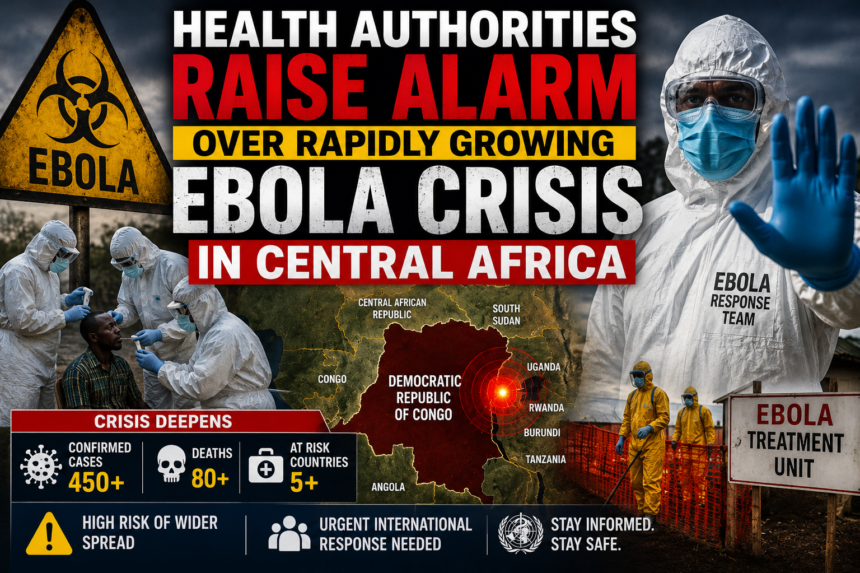
A rapidly growing Ebola outbreak in Central Africa has triggered serious concern among international health authorities, with U.S. health officials warning that the crisis could reach levels comparable to the devastating 2014–2016 West African Ebola epidemic—the largest outbreak in recorded history. New modeling from the U.S. Centers for Disease Control and Prevention (CDC) suggests that if aggressive containment measures are not implemented immediately, the current outbreak could expand dramatically in the coming months.
The outbreak is centered in the Democratic Republic of the Congo (DRC) and has already spread into neighboring Uganda, raising fears of wider regional transmission. Health experts say the situation is especially concerning because the outbreak involves the rare Bundibugyo strain of Ebola, for which there is currently no approved vaccine or targeted treatment.
Why Health Officials Are Alarmed
According to CDC projections, the outbreak is following what experts describe as a “dangerous trajectory.” In worst-case scenarios, more than 20,000 infections could occur if public health interventions fail to keep pace with transmission. Such numbers would place the outbreak among the largest Ebola crises ever recorded.
The CDC and other international health agencies stress that these projections are not predictions but warnings designed to encourage rapid action. Strong surveillance, contact tracing, isolation, and community engagement could significantly reduce the spread.
Health officials emphasize that the outbreak remains controllable, but only if governments, international organizations, and local communities work together quickly.
Current Situation on the Ground
The outbreak has already infected hundreds of people across the affected regions of Central Africa. Recent reports indicate more than 450 confirmed cases and over 80 deaths, although experts believe the actual numbers may be significantly higher because many infections remain undetected.
The epicenter is located in the conflict-affected Ituri Province of eastern Congo, where limited healthcare infrastructure, insecurity, and population displacement make outbreak response extremely difficult. Many communities are located in remote areas with poor transportation networks, making it challenging for health teams to identify and isolate infected individuals quickly.
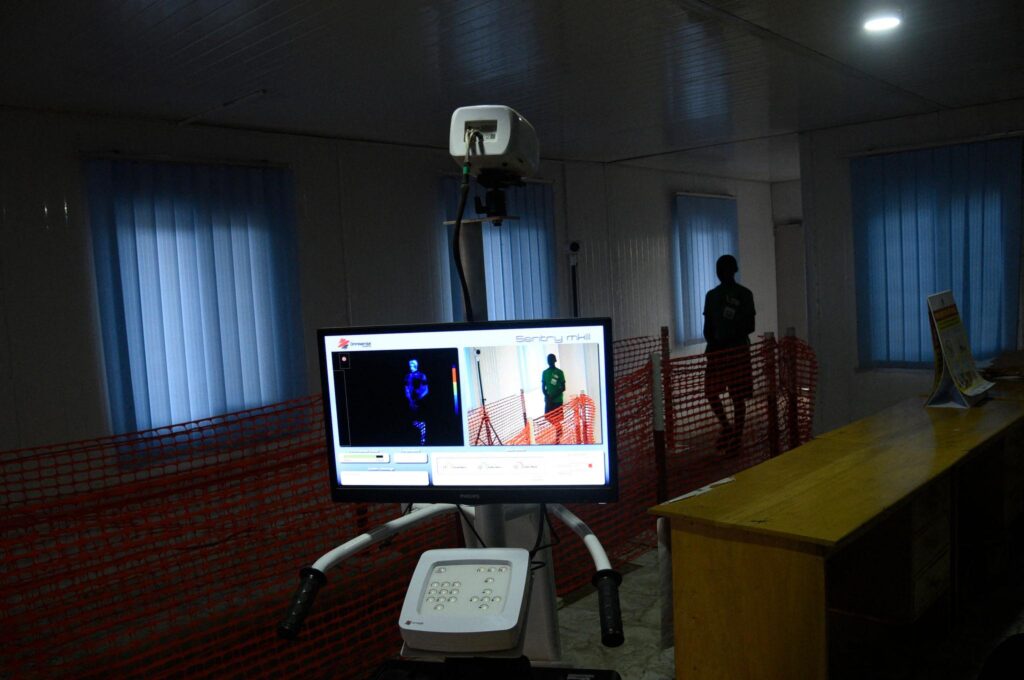
Uganda has also reported confirmed cases, prompting authorities to strengthen border controls and disease surveillance systems. Some neighboring countries have begun implementing additional screening measures to prevent cross-border transmission.
What Makes This Outbreak Different?
One of the biggest challenges is the specific Ebola strain involved.
Most recent Ebola outbreaks have been caused by the Zaire strain, for which vaccines and treatments have been developed. However, the current outbreak is linked to the Bundibugyo ebolavirus, a much rarer strain first identified in Uganda in 2007. Unfortunately, no approved vaccine currently exists for this variant.
This means healthcare workers must rely largely on:
- Early detection
- Isolation of patients
- Contact tracing
- Supportive medical care
- Community awareness campaigns
Without a vaccine, preventing transmission becomes significantly more difficult.
Comparison with the 2014 Ebola Crisis
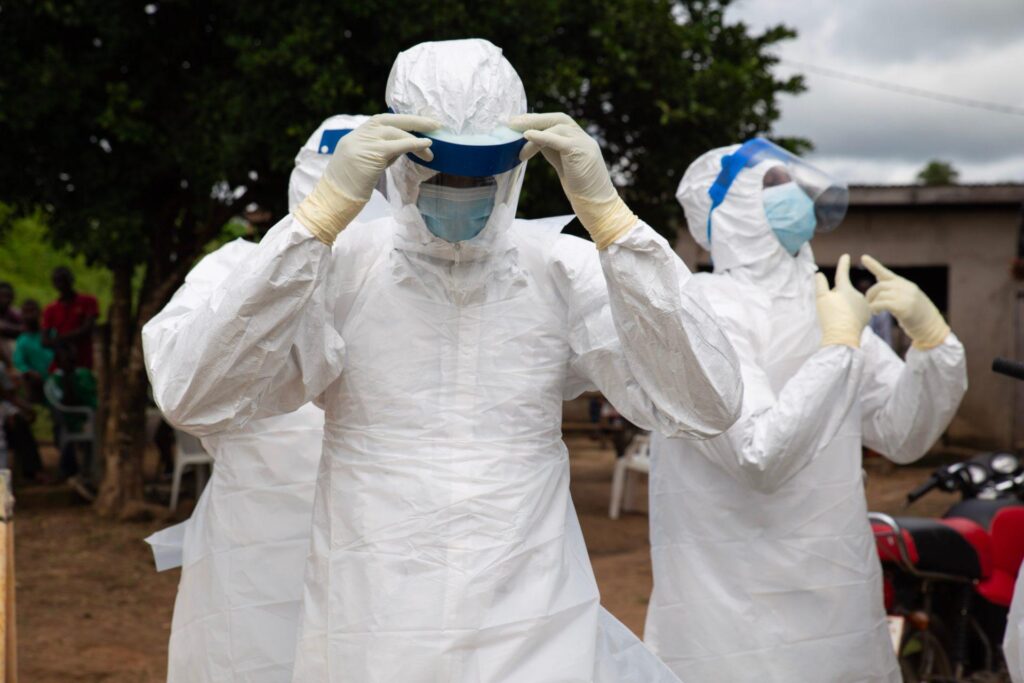
The 2014–2016 Ebola epidemic in West Africa remains the deadliest outbreak ever recorded.
That crisis affected:
- Guinea
- Liberia
- Sierra Leone
and ultimately resulted in more than 28,000 cases and over 11,000 deaths. It overwhelmed healthcare systems, disrupted economies, and prompted a global public health emergency.
While the current outbreak has not yet reached those levels, CDC experts warn that similar patterns of delayed detection and rapid community transmission are already visible. If left unchecked, the situation could escalate quickly.
Why Is the Virus Spreading So Fast?
Several factors are contributing to the rapid spread:
1. Delayed Detection
WHO officials believe the outbreak may have begun as early as January 2026 but was not identified until months later. This gave the virus valuable time to spread unnoticed.
2. Armed Conflict
Violence and instability in parts of eastern Congo have limited access for healthcare workers and humanitarian organizations. Some areas remain difficult or dangerous to reach.
3. Community Mistrust
In some communities, skepticism toward health authorities has complicated response efforts. Rumors and misinformation can discourage people from seeking treatment or cooperating with contact tracing programs.
4. Limited Resources
Many healthcare facilities lack sufficient staff, equipment, and laboratory capacity to respond effectively to a large-scale outbreak.
WHO Launches Emergency Response Plan
The World Health Organization has announced a major emergency response strategy worth approximately $518 million to help contain the outbreak over the next six months. The plan focuses on:
- Strengthening treatment centers
- Expanding laboratory testing
- Improving border screening
- Supporting healthcare workers
- Enhancing community outreach programs
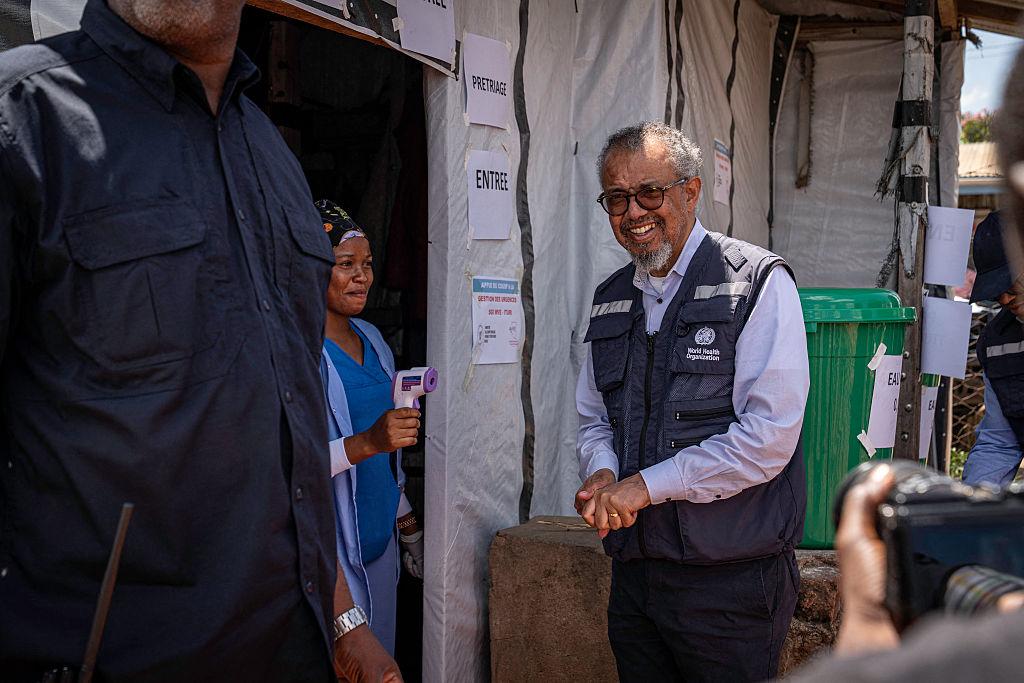
WHO officials have described the situation as one of the most serious Ebola emergencies in recent years and have called for sustained international support.
United States Increases Funding
The United States has announced nearly $38 million in additional assistance for Ebola response efforts, bringing total U.S. support to more than $200 million. American health experts have also deployed personnel to affected regions and strengthened monitoring systems.
The CDC has introduced enhanced travel screening procedures and continues to monitor the outbreak closely. Officials stress that the risk to the American public remains low at this time.
Impact Beyond Africa
Although Ebola is not considered easily transmissible like respiratory viruses, international concern remains high because of its severe mortality rate and potential for regional spread.
Several countries have already increased surveillance of travelers arriving from affected regions. Reports indicate that some nations are implementing quarantine measures and additional health checks as a precaution.
Public health experts emphasize that early action is critical to preventing international spread and reducing the risk of larger outbreaks.
The Role of Frontline Health Workers
Doctors, nurses, and community health workers remain at the center of the response.
Many healthcare workers in eastern Congo are operating under extremely difficult conditions, often with limited resources, long working hours, and significant personal risk. Despite these challenges, they continue to provide treatment, conduct contact tracing, and educate communities about prevention measures.
International organizations have praised their dedication and called for additional support to ensure they can continue their work safely and effectively.
What Happens Next?
Experts agree that the coming weeks will be critical.
If public health measures are strengthened quickly, the outbreak can still be brought under control. However, delays in response, funding shortages, or continued community resistance could allow the virus to spread much further.
The success of containment efforts will depend on:
- Rapid testing
- Effective isolation
- International cooperation
- Community participation
- Sustained funding
Health authorities worldwide are closely monitoring developments as the situation evolves.
Conclusion
The Ebola outbreak spreading across Central Africa has become one of the most serious global health emergencies of 2026. With CDC models suggesting that the crisis could approach the scale of the historic 2014 West African epidemic, international agencies are urging immediate action. While the outbreak remains controllable, experts warn that the window for effective intervention may be narrowing. Strong public health measures, international support, and community cooperation will be essential to preventing another devastating chapter in the history of Ebola.