


The term mouth cancer in India no longer describes a disease limited to older tobacco users. In 2025, India is seeing a disturbing trend: this cancer increasingly affects younger people, many without classic risk factors, and presents late. With subtle early symptoms and powerful risk factors entrenched in daily life, the rise of mouth cancer in India has become a public-health crisis.
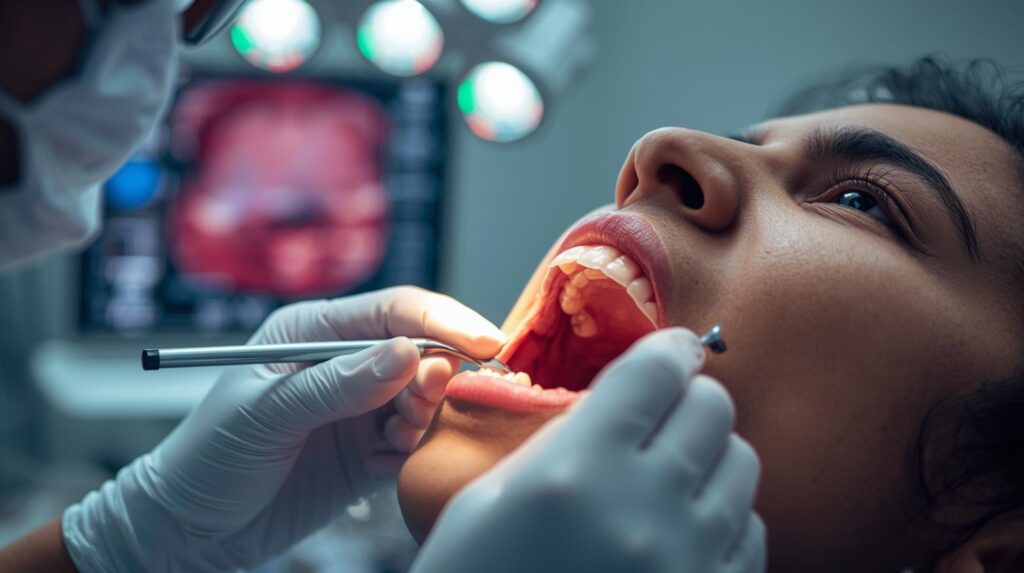
A Rising Tide: Current Data & Trends
- India contributes to about 30% of all global oral cancer cases, making it one of the highest-burden countries in the world. The Statesman+2ijhns.com+2
- According to the Indian Council of Medical Research (ICMR) study published in October 2024, lip and mouth cancers emerged as the most frequently diagnosed cancers among men in India. India Today
- In Bengal alone, data from mid-2025 showed a sharp rise in oral cancer among women: for example, in 2023, 422 cases (281 men, 141 women) were detected in a single dental college. MillenniumPost
- Historically, tobacco (smoking and chewing) and areca nut (supari) have been major drivers, but recent data suggest significant cases without those exposures, raising concern. Hindustan Times+1
Why the Surge? Key Risk Factors and Changing Patterns
Traditional Risk Factors
- Chewing tobacco, gutka, khaini, zarda, and other smokeless forms: often kept in the mouth for long periods, increasing local exposure. indiancancersociety.org+1
- Smoking (cigarettes, bidis), heavy alcohol consumption.
- Areca nut/betel nut (supari) chewing is culturally entrenched in many regions.
Emerging and Under-Recognised Risk Factors
- Human Papillomavirus (HPV) infection (particularly HPV-16) is increasingly implicated in oral cancers globally and in younger patients. Hindustan Times+1
- Poor oral hygiene, nutritional deficiencies, chronic mouth lesions or ulcers, and delayed health-seeking behaviour contribute heavily. copewithcancer.org+1
- Changing demographic patterns: younger age of onset, increasing cases among women, and among individuals without classic tobacco/alcohol history. Hindustan Times+1
Warning Signs: What To Watch For
Early recognition of mouth cancer in India can dramatically improve outcomes. Key red flags include:
- A mouth ulcer or sore that does not heal within 2-3 weeks.
- Red or white patches on the inner cheeks, gums, tongue, or floor of the mouth.
- A persistent lump or thickening in the mouth or neck.
- Pain, numbness, or difficulty in chewing, swallowing, or moving the tongue/jaw.
- Unexplained bleeding from the mouth, loose teeth without reason, or persistent ear/throat pain.
indiancancersociety.org+1
Why Early Detection Matters
The survival rate for early-stage oral cancers (stage I/II) can exceed 80-90%, but the majority of cases in India present at advanced stages (stage III/IV) when outcomes are poor and treatment becomes expensive and invasive. Hindustan Times+1
Challenges Unique to India
- Low public awareness of the disease and its early symptoms.
- High prevalence of smokeless tobacco and areca nut use, especially in rural and semi-urban areas.
- Delays in diagnosis due to socio-economic factors, limited access to screening, and specialists.
- Lack of routine oral screening in primary care settings.
Prevention & What You Can Do
At the Individual Level:
- Quit tobacco in any form (smoked or smokeless) and avoid betel/areca nut.
- Reduce or eliminate excessive alcohol use.
- Practice good oral hygiene and regular dental check-ups.
- Examine your mouth once a month for persistent sores or patches.
- Seek medical attention promptly if you notice any abnormal signs (as listed above).
- Maintain a healthy diet rich in fruits and vegetables; avoid processed and high-salt foods.
At the Community / Policy Level:
- Strengthen awareness campaigns highlighting mouth cancer in India and its risk factors.
- Expand oral cancer screening programs, particularly in high-risk states/regions.
- Enforce or tighten regulations on tobacco and areca nut products.
- Introduce HPV vaccination and integrate oral-health education into school curricula.
Outlook for 2025 and Beyond
With the rising incidence of mouth cancer in India and emerging risk profiles (younger age groups, non-tobacco users), the need for urgent action is clear. If detection can move earlier and prevention efforts scale effectively, India could reverse this trend. But without targeted public health investment and behavioural change, the burden may continue to grow.
FAQs
- Is mouth cancer common in India?
Yes. India has one of the highest burdens of oral/mouth cancer globally, contributing nearly a third of global cases. The Statesman+1 - Can non-tobacco users get mouth cancer?
Absolutely. Recent studies show a growing number of cases among people without tobacco or alcohol use, indicating other risk pathways. Hindustan Times - At what age does mouth cancer occur in India?
While often in older adults, younger patients (even under 40) are increasingly being diagnosed. nocr.org.in+1 - What are the typical first symptoms?
Persistent mouth sores lasting more than 2-3 weeks, red/white patches, lumps, loose teeth, and ear/throat pain. - Is it treatable?
Yes — especially when caught early. Early‐stage detection can lead to survival rates above 80%. indiancancersociety.org - How can I reduce my risk?
Stop tobacco and areca nut use, limit alcohol, keep good oral hygiene, a healthy diet, and regular check-ups. - Does chewing areca nut (supari) increase risk?
Yes — areca nut is a known carcinogen and is strongly linked with oral cancers in South Asia. copewithcancer.org - What role does HPV play?
HPV (especially HPV-16) is emerging as an important risk factor, particularly in non-tobacco-related cases. The Statesman - Can dentists screen for mouth cancer?
Yes. Routine dental visits and examinations of the mouth’s interior can help detect suspicious lesions early. indiancancersociety.org - What should I do if I notice a symptom?
Don’t ignore it. Consult a dentist or oral surgeon promptly for evaluation and possible biopsy. Early detection saves lives.
Lifestyle Diseases in India: A Growing Health Concern in 2025