

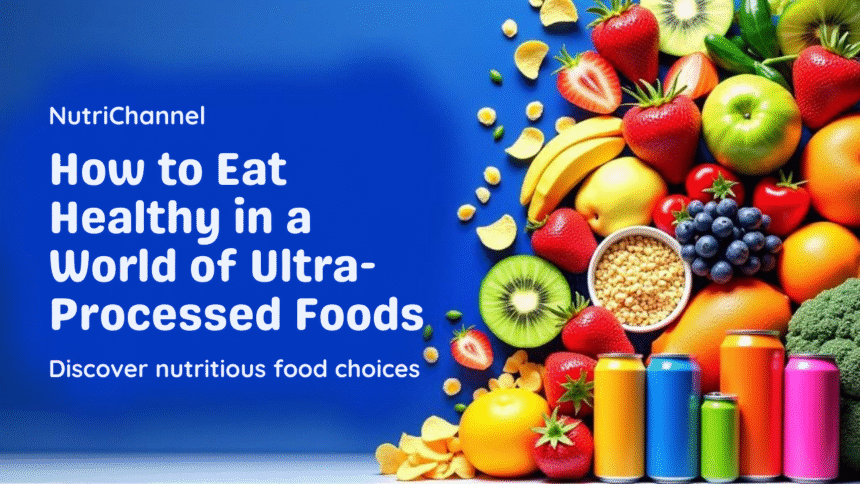
Navigating today’s food environment and learning how to eat healthy can feel like an uphill battle. Ultra-processed foods (UPFs), engineered for maximum convenience and shelf stability, are everywhere—filling supermarket aisles and often our daily menus. While these products can derail wellness objectives, it’s entirely possible to cultivate a nutrient-rich and satisfying eating pattern. This article offers actionable advice to empower your food choices, helping you thrive nutritionally even in a processed world.
Understanding Ultra-Processed Foods
The journey to better eating starts with identification. Ultra-processed foods are more than just altered ingredients; they are complex industrial formulations typically made with substances seldom used in home cooking. Think emulsifiers, artificial flavours, colours, and preservatives. Everyday items in this category include:
- Sodas and sweetened fruit drinks
- Mass-produced cookies, chips, and candy
- Instant noodle packs and soup mixes
- Frozen pre-made pizzas and microwave dinners
- Processed meats like sausages and nuggets
Their widespread appeal stems from their convenience and hyperpalatable taste, which often leads to unintentional overeating.
How Ultra-Processed Foods Impact Your Well-being
Frequent consumption of UPFs is correlated with several negative health effects. Studies associate them with a higher incidence of obesity, heart disease, and metabolic disorders. These products are often calorie-rich yet lack essential nutrients—providing energy without vitamins, minerals, or dietary fibre. This imbalance can interfere with your body’s natural satiety cues and foster unhealthy dietary habits.
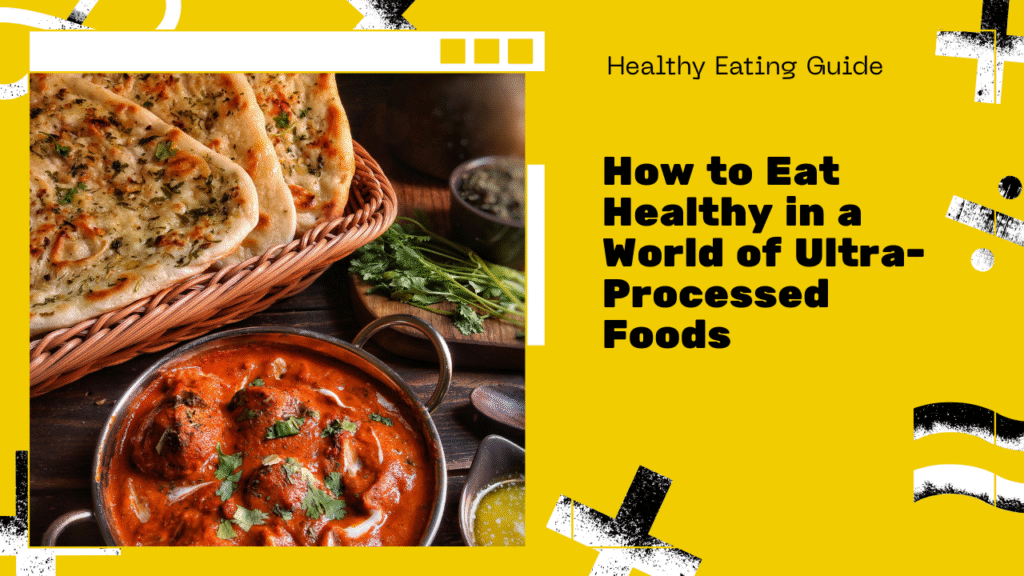
Practical Tips for Nutritious Eating
Shifting toward a healthier lifestyle is about adopting sustainable practices, not seeking flawlessness. Here are some effective methods to implement:
1. Decode Food Packaging
Empower yourself by looking past bold marketing claims and focusing on the details.
- Short Ingredients List: Opt for products with fewer components—all of which you can easily recognise.
- Spot Hidden Sweeteners: Be aware of alternative names for sugar, such as syrup, fructose, or maltodextrin. Their frequent appearance signals a highly refined item.
- Use Reliable Resources: For deeper insight, the NOVA food classification from the United Nations offers a useful reference on food processing levels.
2. Prioritise Whole Foods
The simplest way to cut back on processed items is to fill your plate with whole foods.
- Shop the Perimeter: Most fresh foods—fruits, vegetables, meats, and dairy—line the outer store aisles. Base your shopping here.
- Add More Plants: Incorporate a diverse range of vegetables and fruits into meals. They are rich in fibre, antioxidants, and water—promoting fullness and vitality.
- Choose Whole Grains: Substitute refined grains with whole options like quinoa, oats, or whole-grain bread for better nutrition.
3. Plan and Prep Ahead
Combat the lure of convenience foods by making healthy eating easier.
- Batch Cooking: Set aside time weekly to cook grains, roast vegetables, or prepare proteins in bulk.
- Ready-to-Go Snacks: Portion out wholesome snacks like cut veggies, nuts, or yoghurt in advance to avoid unhealthy temptations.
- Weekly Meal Outline: Sketching out meals for the week minimises impulsive choices and supports consistency.
4. Opt for Healthy Shortcuts
You don’t need to sacrifice convenience for nutrition.
- Use Frozen Produce: Frozen berries, vegetables, and greens are picked at peak freshness and work well in numerous quick recipes.
- Stock Your Pantry: Keep canned beans (rinsed to reduce sodium), lentils, diced tomatoes, and whole-grain pasta for assembling fast, balanced meals.
- Leverage Leftovers: Prepare extra portions at dinner to enjoy for lunch the next day—an effortless way to eat well.
Practice Mindful Eating
Cultivating awareness around eating enhances your relationship with food.
- Cook at Home: Preparing your own meals helps you connect with ingredients and control what goes into your body.
- Eat Without Screens: Avoid distractions during meals. Pay attention to flavours and textures to better recognise hunger and fullness signals.
Conclusion: Progress Over Perfection
Figuring out how to eat healthy in an age of ultra-processed foods is a gradual process. Celebrate small victories and build on them. Start with one tip—like reading labels more carefully or adding an extra vegetable to your day. Each conscious choice contributes to lasting health. By staying intentional, you can foster eating habits that enhance your energy, health, and overall quality of life.
See this also